
19th Century Carved Figure
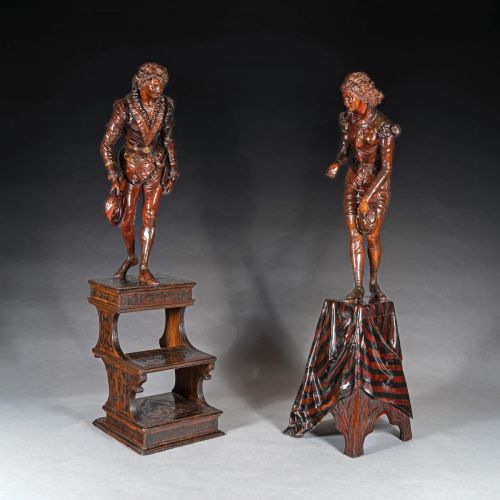
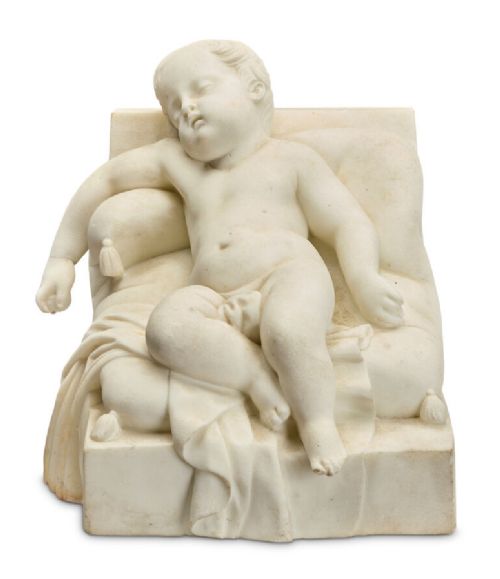
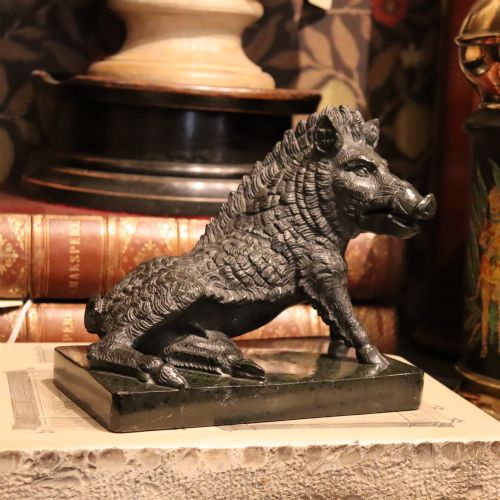
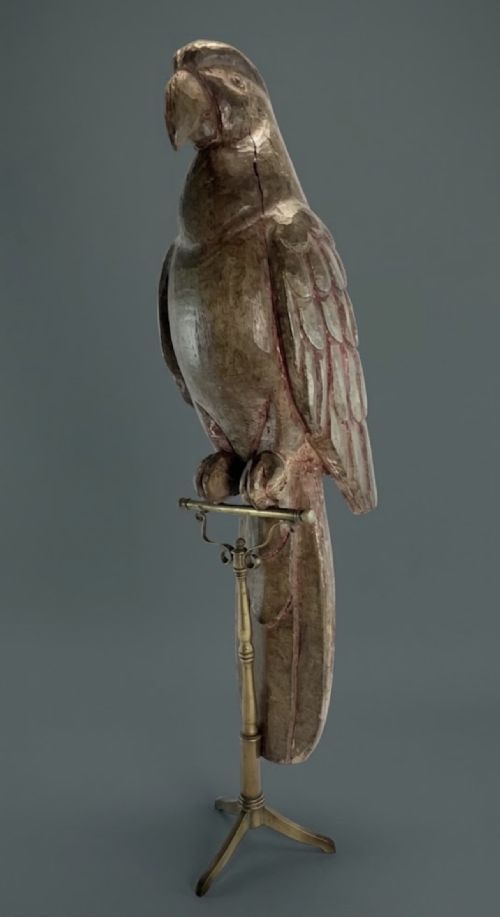
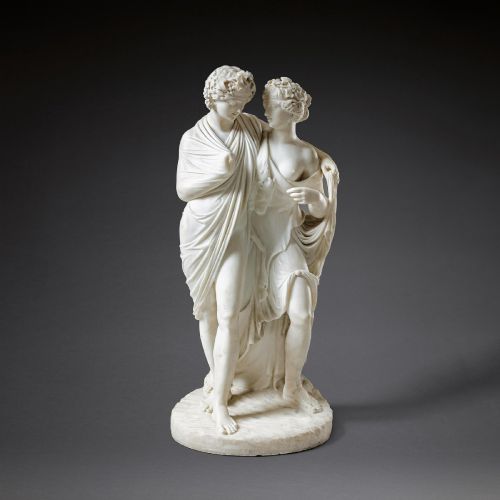
A 19th century carved figure brings classical form, organic timber or cool stone into a room with the quiet authority of the workshop.
19th Century Carved Figure
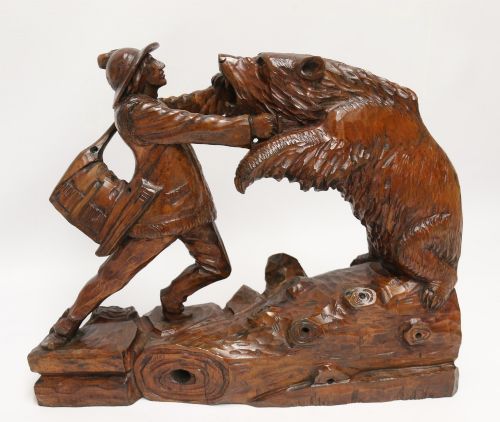
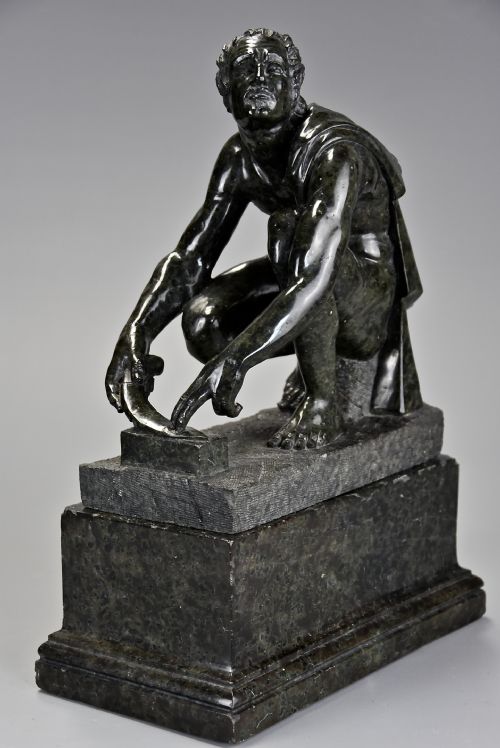
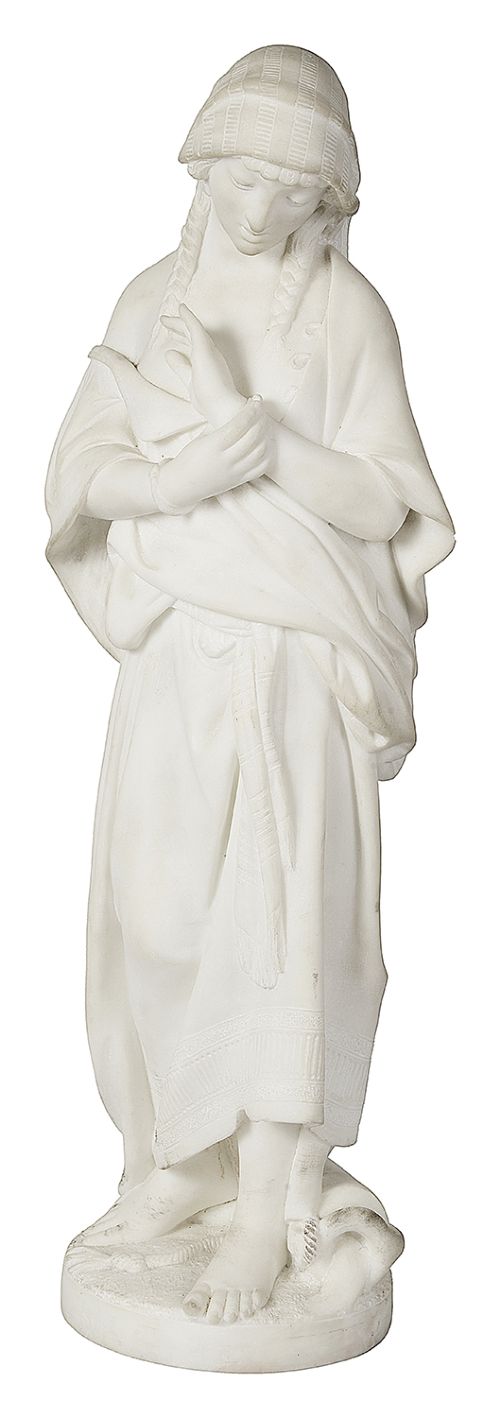
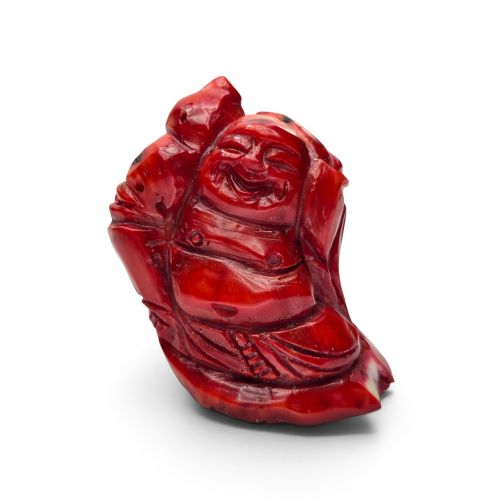
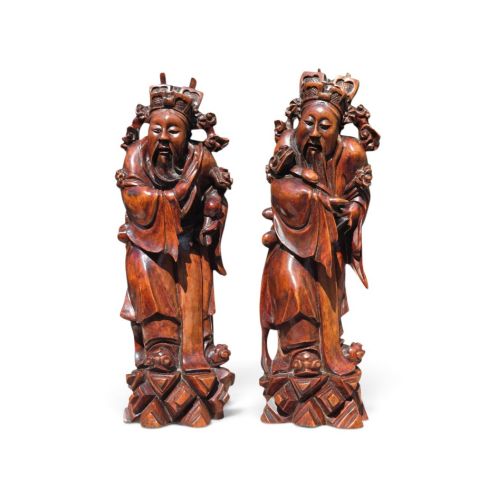
A 19th century carved figure spans classical mythological subjects, European folk art traditions, and Asian export carvings gathered during international travel. Collectors encounter everything from small Black Forest linden wood animals and Swiss bagpipers to life-sized artist lay figures and marble Grand Tour busts after ancient models.
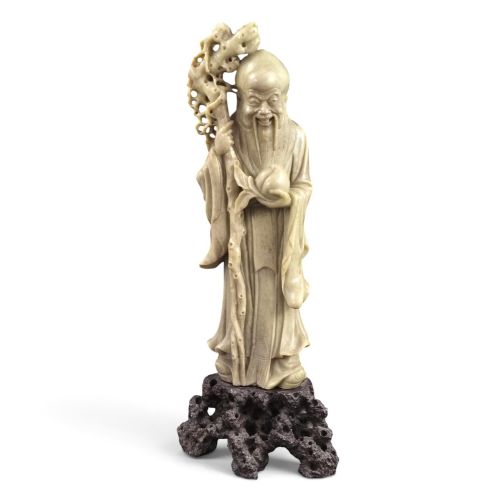
The materials reflect regional resources and period tastes, moving from domestic oak and walnut to imported exotic hardwoods, soapstone, coral, and Carrara marble. Pieces appear as standalone sculptures, architectural fragments, and decorative supports created across Victorian, Regency, and Qing periods.
The selection ranges from intimate cabinet studies to monumental figural groups intended for domestic display or scholarly reference. Each piece carries the distinct chisel marks or polished surfaces left by European studios, Alpine workshops, and Eastern carving centres.
How They Were Made
Makers utilised traditional hand tools, employing gouges, chisels, and rifflers to shape dense timbers such as walnut, fruitwood, and oak, or to carve intricate details into soft alabaster and marble. Wood pieces frequently show deep undercutting and careful grain alignment, while stone sculptures rely on rasping and abrasive polishing to achieve smooth drapery and lifelike skin textures.
An artist lay figure stands ready to hold a pose it abandoned two centuries ago.
What Varies in Quality
The distinction between ordinary production and masterwork carving lies in the anatomical accuracy, depth of relief, and sensitivity given to hands, drapery, and facial expression. Superior examples display crisp undercut details that create natural shadow, whereas lesser pieces rely on shallow surface incisions and stiff, formulaic postures.
Material selection and handling dictate the visual success of the piece, from the translucency and purity of veined Carrara marble to the tight, knot-free grain chosen for finely carved Swiss linden wood and walnut figures. The presence of professional signatures, attribution to known continental studios, or documentary connections to the Grand Tour elevate the standing of a work.
Carlo Albacini·J Huggler·Barranti Florence·Houdon·Eugene Aizelin·Antonio Canova
The 19th Century Carved Figure Glossary
- Grand Tour
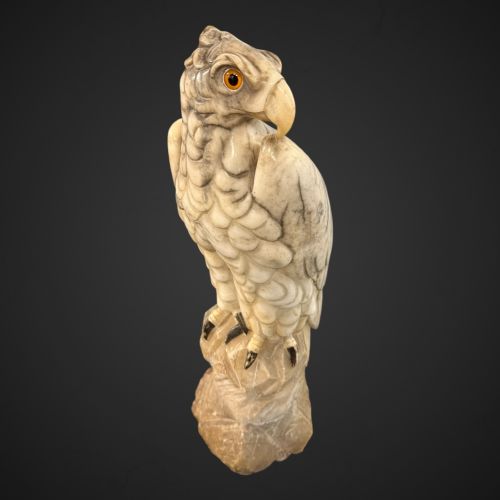
- A cultural journey undertaken by wealthy young Europeans in the 18th and 19th centuries to study classical art and architecture. Souvenirs purchased along the route included small-scale marble and alabaster sculptures copying ancient statues.
- Black Forest
- A mountainous region in Germany renowned during the 19th century for specialised woodcarving workshops. Artisans produced highly detailed linden wood and walnut figures of animals, foresters, and folk characters.
- Lay figure
- An articulated wooden mannequin with jointed limbs used by artists and painters to arrange drapery and study posture. Life-sized and miniature versions were carved with wooden pins and ball joints.
- Tazza
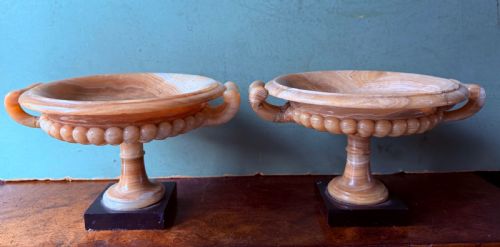
- A small decorative cup or shallow bowl raised on a stem and foot, frequently carved from coloured marbles or alabaster during the 19th century. These items often served as decorative centrepieces on sideboards and console tables.
- Shabti
- A small funerary figure placed in ancient Egyptian tombs to act as a servant for the deceased in the afterlife. 19th century examples include revival pieces carved from wood or stone during periods of intense archaeological interest.
19th Century Carved Figure: Frequently Asked Questions
What is a Black Forest figure?
A Black Forest figure is a carved wooden sculpture originating from the forested mountain region of Germany during the 19th century. These pieces typically depict wildlife, domestic animals, or human figures in rustic attire.
Carvers utilised local linden wood and walnut, applying deep texturing tools to render fur, feathers, and bark with striking realism.
How do I identify a Grand Tour souvenir?
Grand Tour souvenirs are recognised by their classical subject matter, such as miniature copies of famous Roman or Greek sculptures. They were brought back by travellers visiting Italy and Greece.
Materials commonly include white Carrara marble, veined alabaster, and specialised stones mounted on simple plinths.
What was an artist lay figure used for?
An artist lay figure served as a three-dimensional mannequin for painters and sculptors needing to study the fall of fabric and human anatomy. The wooden limbs were jointed to hold specific poses.
These pieces feature articulated fingers, elbows, and knees held together with hidden wooden pegs or metal pins.
How should I clean a carved wooden figure?
Carved wooden figures require gentle dusting with a soft, dry brush to prevent dirt accumulation in recessed chisel marks. Moisture and harsh cleaning agents must be avoided to protect the aged timber.
Applying microcrystalline wax periodically helps nourish the wood surface and preserves the historical patina.
What is a shabti figure?
A shabti figure represents a servant intended to perform manual labour for the deceased in ancient Egyptian funerary belief. 19th century revival pieces were carved to satisfy Victorian collectors.
These objects are typically fashioned from wood, stone, or faience and mounted on supportive display bases.