



19th Century Carved Clock
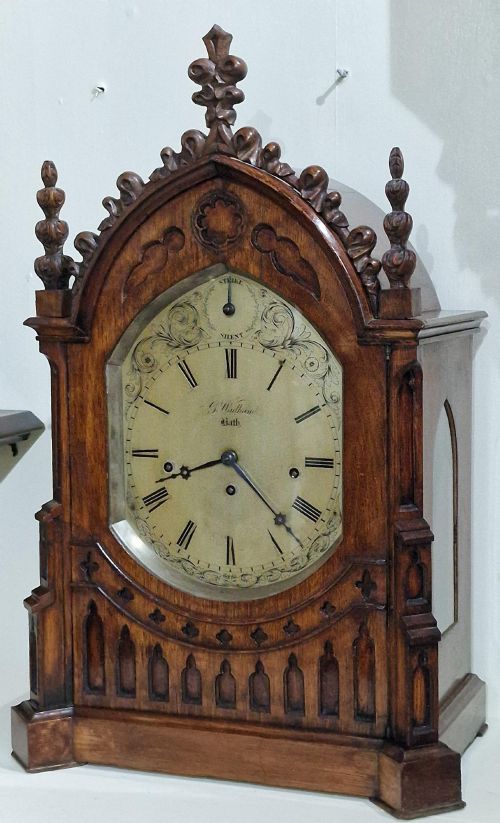
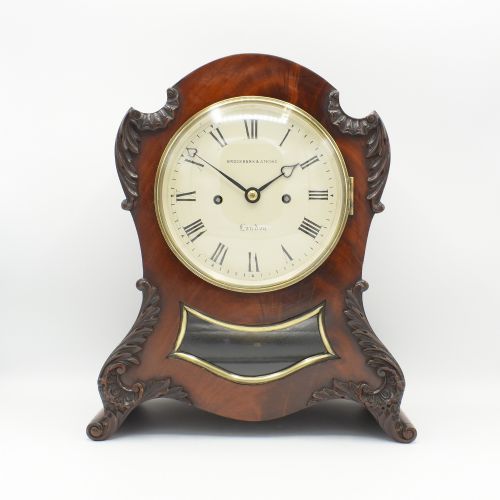
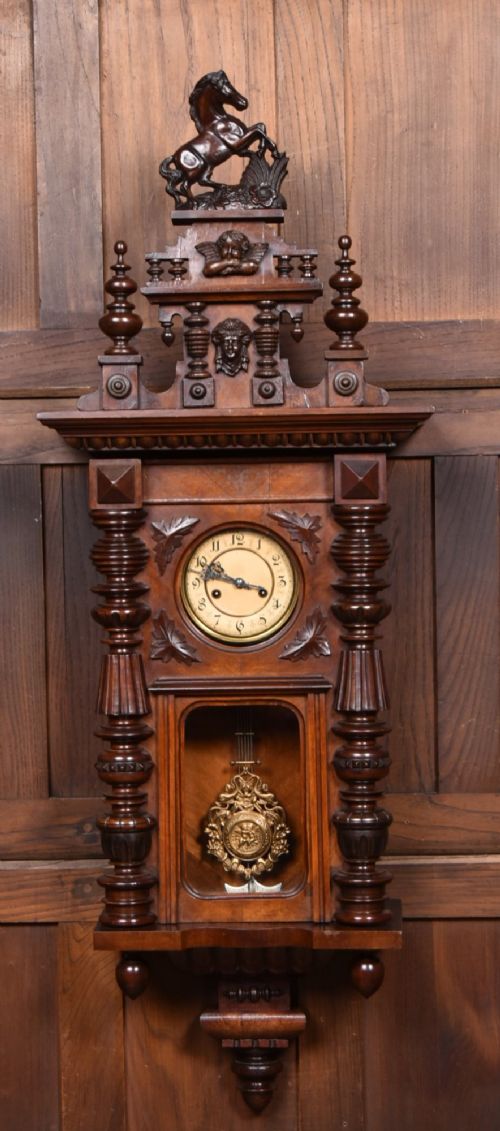
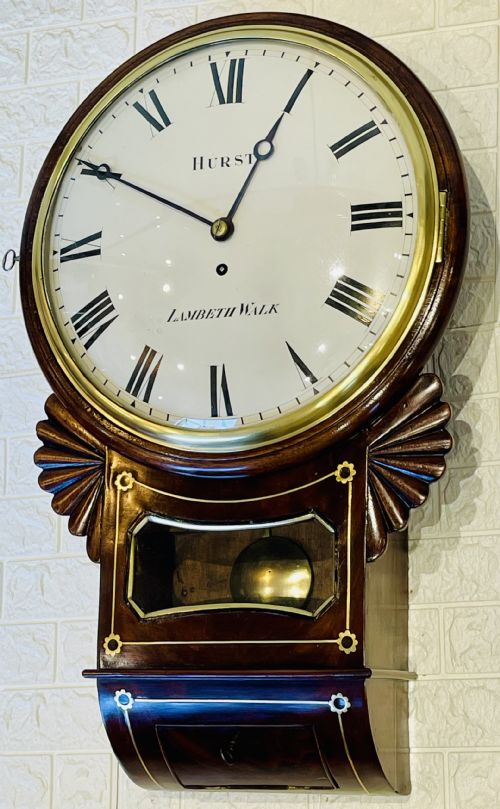
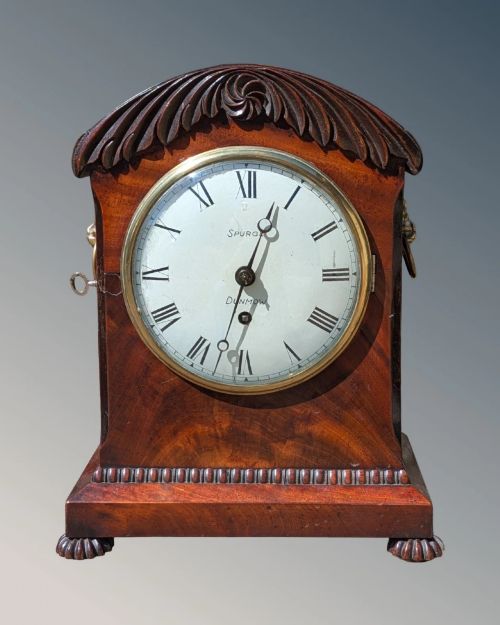
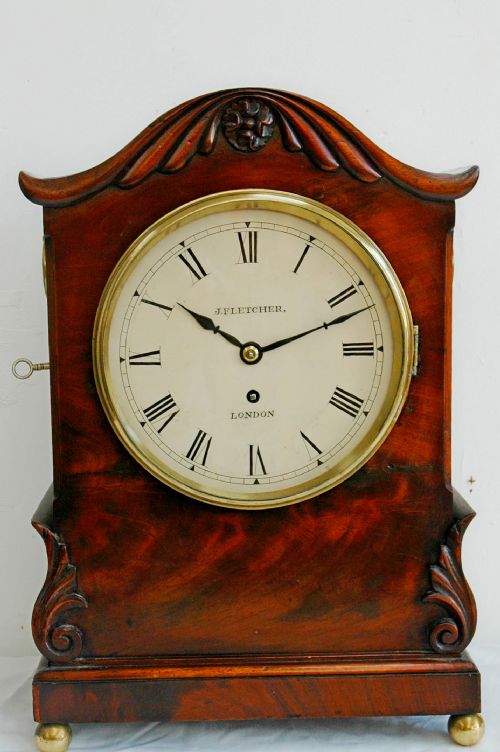
These pieces are a 19th century carved clock, offering both functional timekeeping and expressive period craftsmanship for any interior.
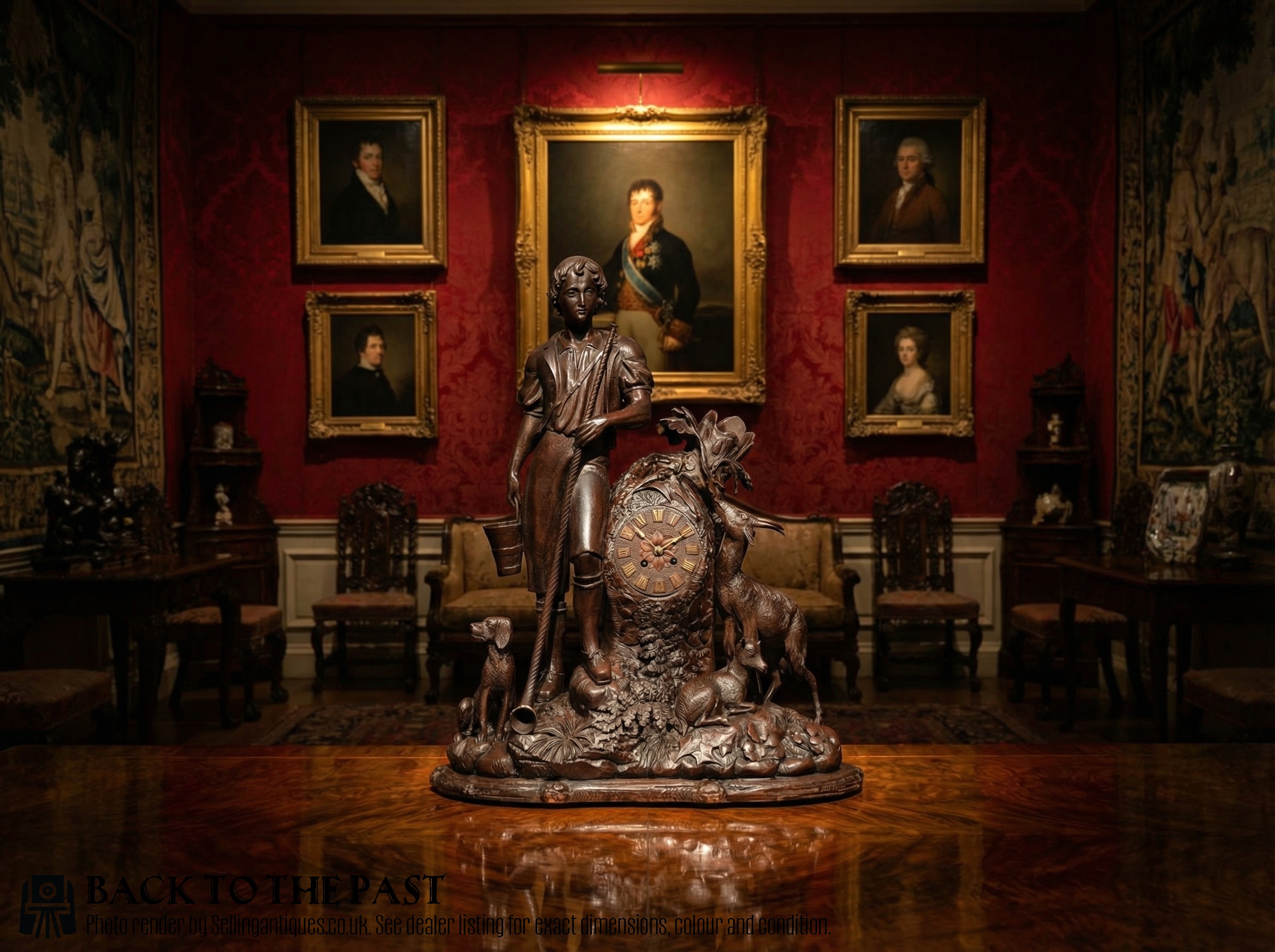
19th Century Carved Clock
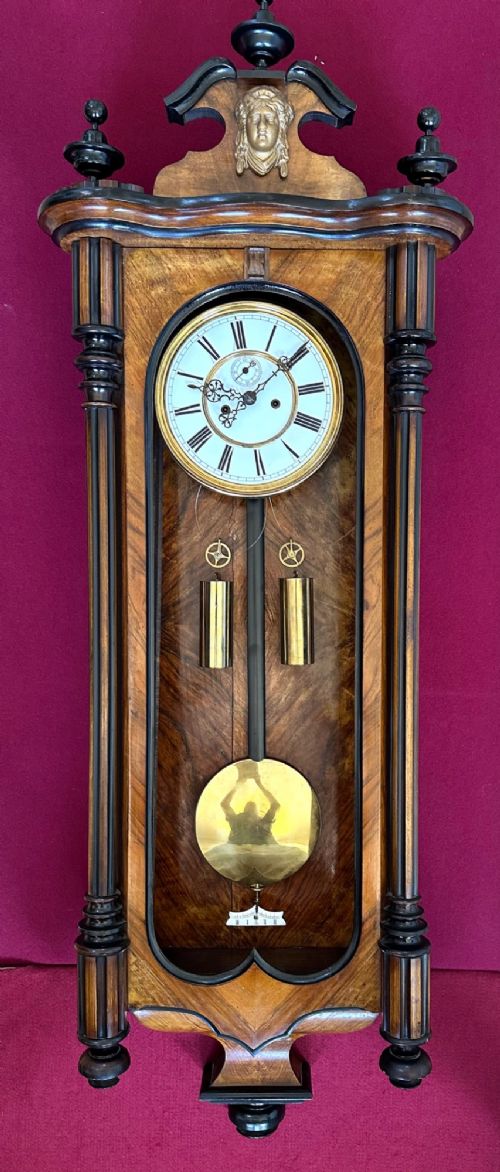
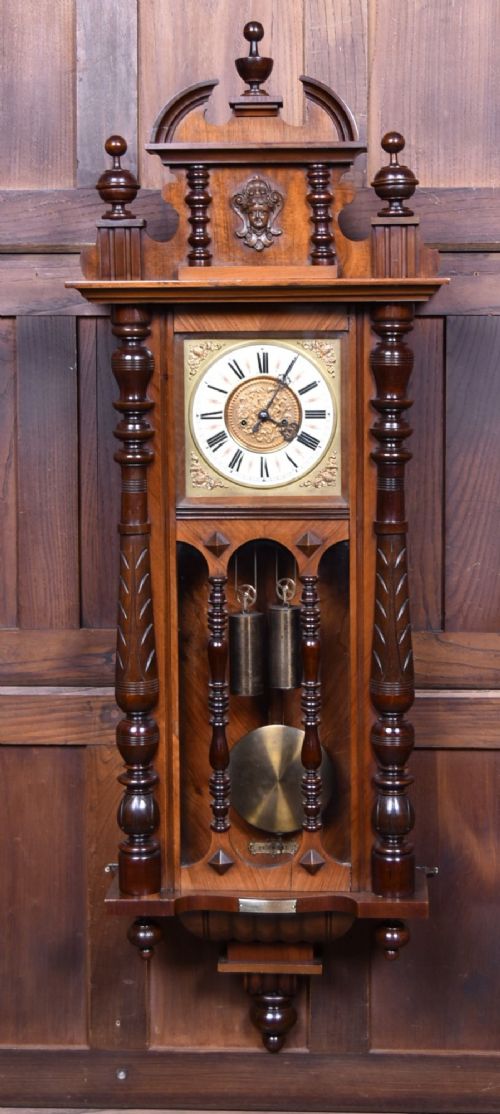
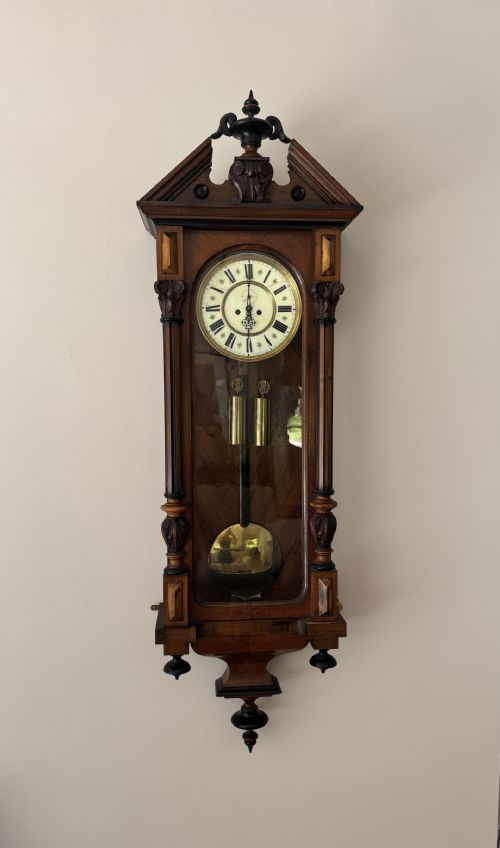
Buyers will encounter multiple formats including heavy walnut double-weight wall clocks, mahogany fusee bracket clocks, and intricately detailed Linden wood carvings. Originating from diverse regions like England, France, Germany, and Switzerland, these pieces reflect local cabinet-making traditions of the 1850s, 1860s, 1870s, and 1880s.
Whether mounted on a wall or placed upon a mantel, each 19th century carved clock serves as a functional sculpture. The combination of dial materials, such as enamel or brass, alongside deep woodwork creates a strong decorative focal point.
What varies in quality
The depth, sharpness, and relief of the hand-carved ornamentation dictate the artistic merit of the piece. Crisp architectural mouldings and deeply undercut foliage distinguish superior examples from simpler, machine-assisted or worn production.
The sophistication of the internal movement also defines the standard of the clock. Double fusee or triple fusee striking mechanisms by recognised makers represent a higher grade of horological engineering compared to standard timepieces.
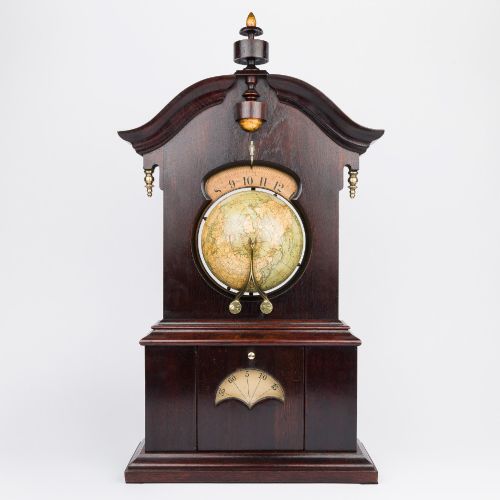
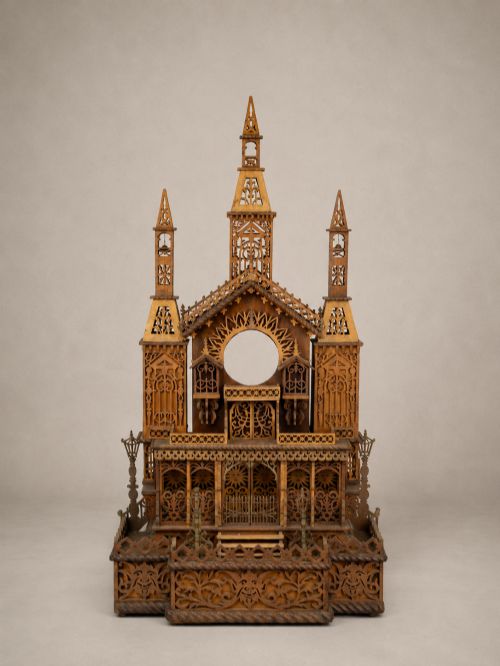
One exceptional listing includes the hand-carved Clock of the Universe originating from the Château de Vitrey-sur-Mance in France.
George Wadham·Brockbanks and Atkins·Webster Cornhill London·Spurge Dunmow·Geo Carter Hackney·Samuel Marti·Bergen and Co
The 19th Century Carved Clock Glossary
- Fusee
- A conical pulley used in spring-driven clocks to equalise the torque of the mainspring as it unwinds. This mechanism helps maintain consistent timekeeping accuracy.
- Drop dial
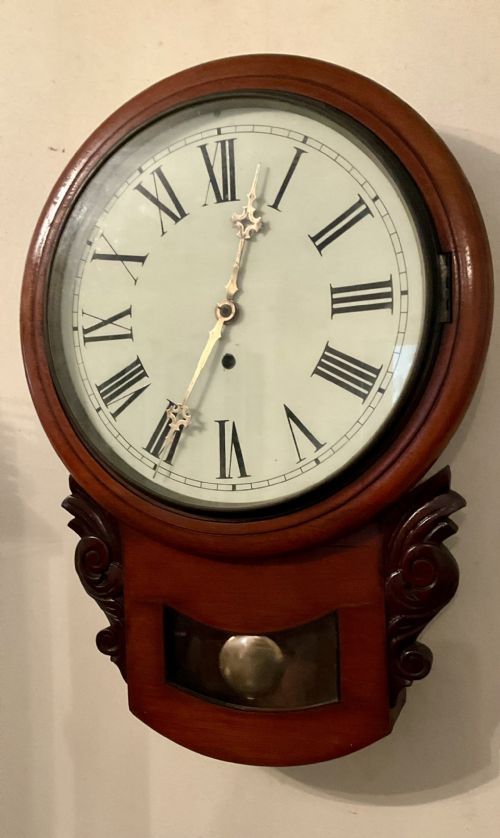
- A wall clock featuring an extended lower wooden case designed to accommodate a long pendulum or weighted drop below the circular dial. This style was widely produced in mahogany and walnut during the Victorian era.
- Bracket clock
- A portable table or shelf clock historically designed to sit upon a matching wall bracket. Many examples feature substantial brass carrying handles and elaborate wooden pediments.
- Black Forest
- A style of wood carving originating from the mountainous region of Germany and Switzerland, noted for naturalistic motifs of leaves, animals, and cuckoo mechanisms. These clocks showcase highly textured hand-carved Linden wood.
- Ebonised wood
- Timber treated with a dark stain or finish to imitate the appearance of ebony. This technique was frequently utilised to provide dramatic contrast on Victorian clock cases.
19th Century Carved Clock: Frequently Asked Questions
How do I wind a fusee clock?
Winding a fusee mechanism requires inserting the key into the dial aperture and turning it steadily clockwise until the tension stops. Care must be taken not to overwind the mechanism.
Most fusee movements require attention every eight days, depending on whether the clock incorporates a striking train for bells or gongs.
Where should I hang a wall clock?
Wall clocks should be mounted securely onto solid masonry or directly into wall studs using appropriate fixings to support the weight of hardwoods and brass movements.
Placement should avoid damp areas and direct sunlight to protect the wooden finishes, enamel dials, and delicate internal oils.
What is the difference between a wall clock and a bracket clock?
Wall clocks are designed to hang flat against a vertical surface, frequently featuring drop dials or rectangular wooden trunks. They save surface space while displaying the pendulum and dial.
Bracket clocks are heavier, freestanding tabletop or shelf units with flat bases and decorative carrying handles on top, though they historically sat on dedicated wall brackets.
How do I identify a Black Forest clock?
Black Forest clocks are characterised by distinctive hand-carved wooden cases featuring naturalistic motifs such as leaves, vines, and birds. They often utilise Linden wood and may include cuckoo mechanisms.
These pieces originate from the German and Swiss border regions during the nineteenth century, displaying a rustic yet highly skilled sculptural aesthetic.