

19th Century Carved Chair
A 19th century carved chair brings sculptural timber and historic ornament into a room, offering both practical seating and focal weight.
19th Century Carved Chair
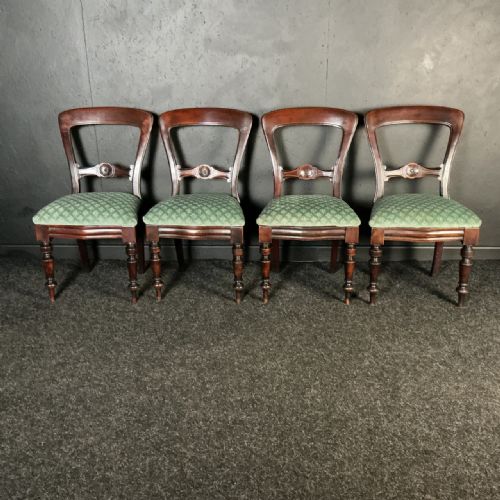
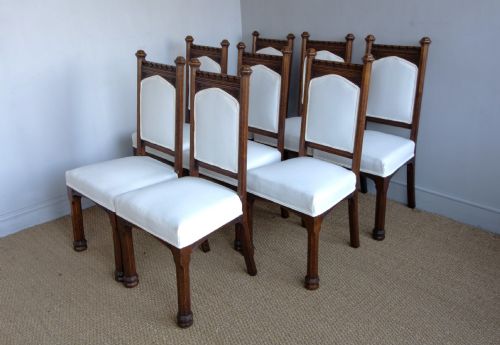
When buyers search for a 19th century carved chair, they encounter a broad spectrum of seating that spans formal dining sets, library armchairs, and stiff-backed hall furniture. The period encompasses the Regency, William IV, and Victorian eras, alongside revivals that drew on Gothic, Renaissance, and Rococo design.
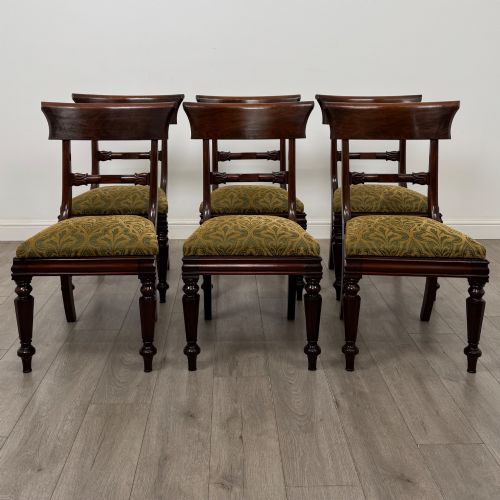
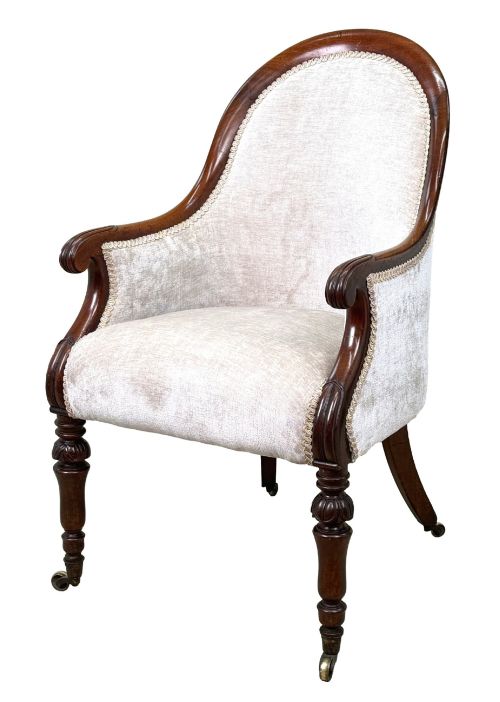
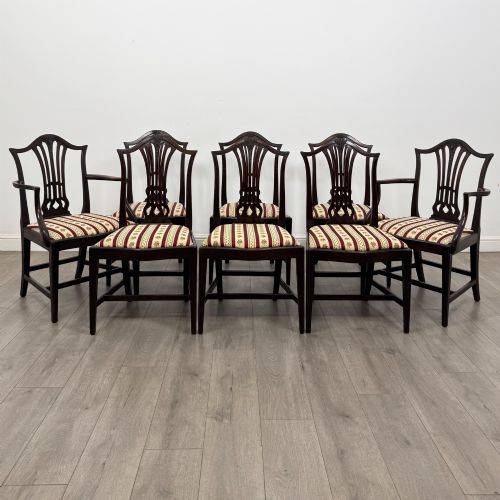
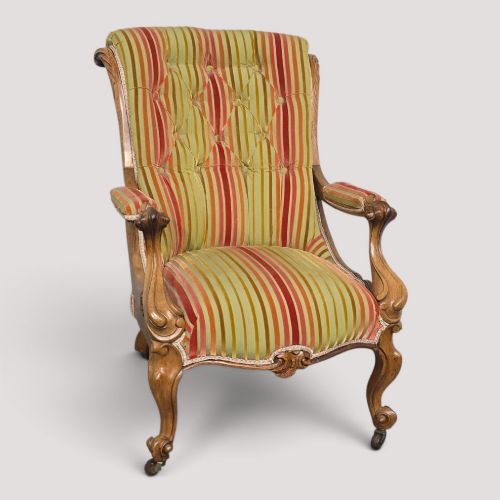
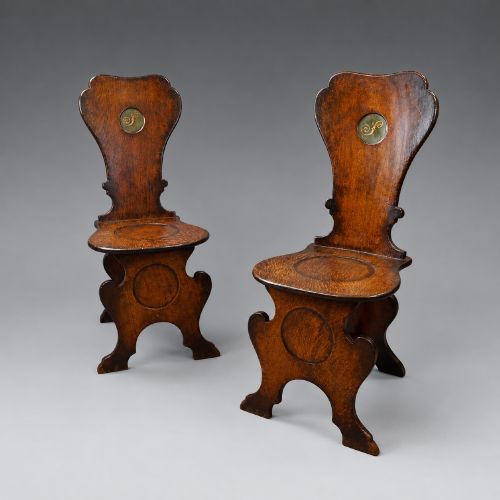
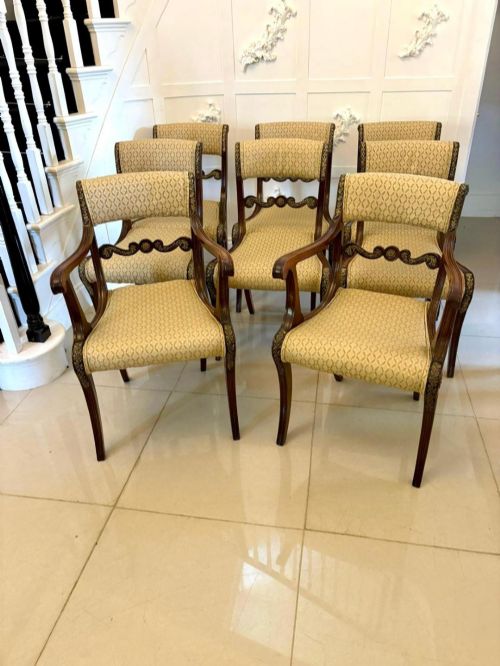
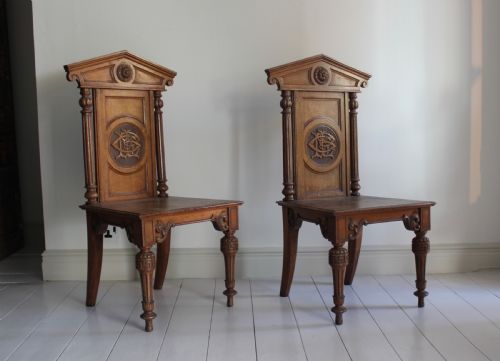
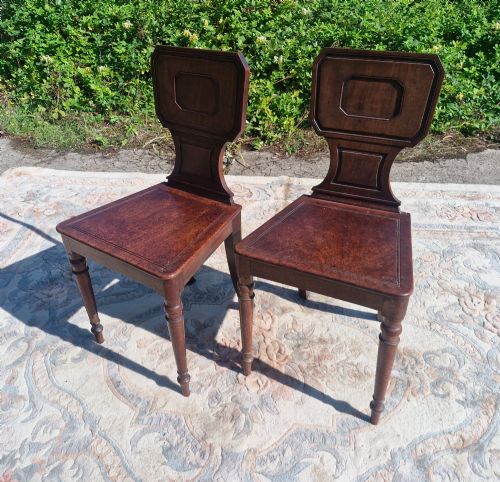
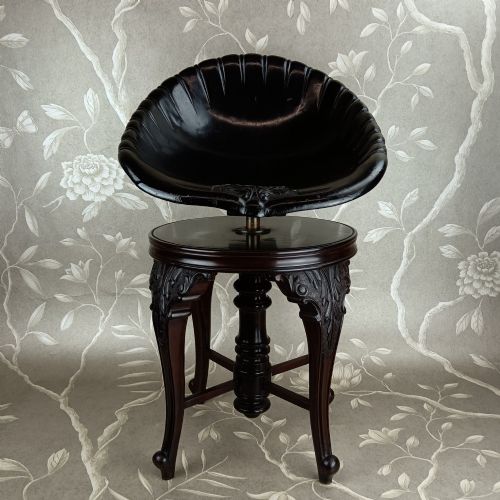
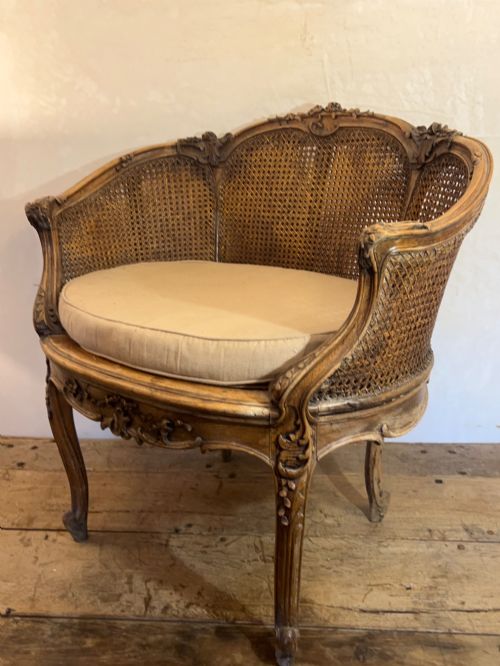
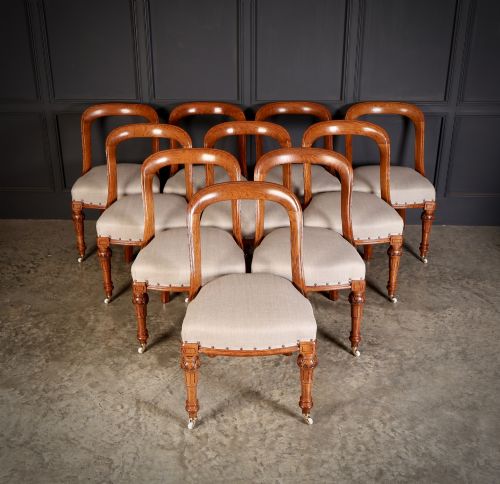
Dining chairs and hall chairs appear frequently among the listings, often surviving in matched sets or pairs rather than as isolated pieces. Alongside these, occasional armchairs, nursing chairs, and desk chairs showcase the period's preference for deeply carved mahogany, walnut, and oak frames.
Origins vary between English workshops, regional British makers, and continental European centres, with occasional pieces originating further afield in Ceylon, India, or Japan. Buyers select these chairs to anchor a room with distinct period character and substantial woodwork.
Materials and construction methods
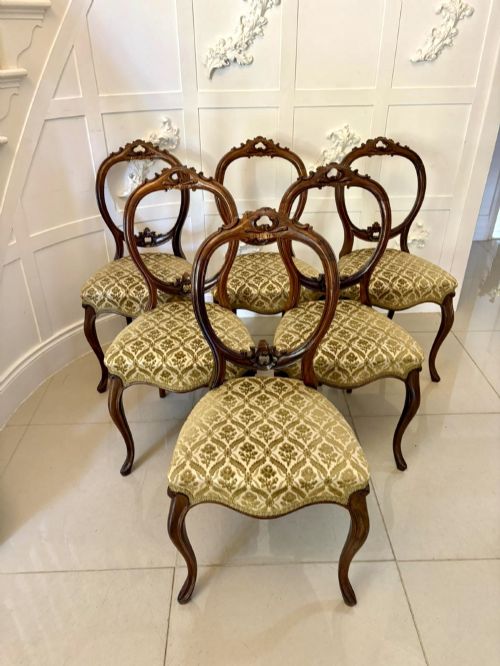
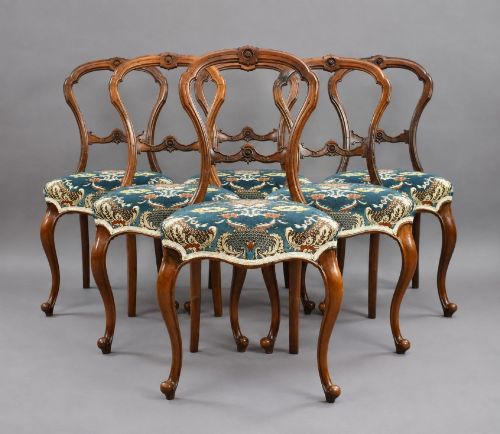
Makers of the period relied heavily on dense hardwoods such as mahogany, walnut, and oak to support intricate hand-carved details like scrollwork, balloon backs, and fluted legs. Rosewood, ebony, and giltwood also appear in more elaborate salon and library seats, providing contrasting textures and rich natural grains.
Upholstery materials range from original or replacement tapestry, leather, and fabric to brass-studded velvet, horsehair stuffing, and cane panels. Structural joints typically utilised traditional mortise and tenon techniques, allowing heavy carved frames to endure daily use over generations.
19th Century Carved Chair Retail Price Guide 2026
Typical asking prices for 19th century carved chair among the pieces listed under this phrase on Sellingantiques today, from the lower quarter to the upper quarter. They describe what is for sale here now, not the wider market.
Listings feature 19th century chairs executed in mahogany, walnut, oak, and rosewood, spanning dining rooms, libraries, and halls.
Distinguishing finer examples
The quality of a 19th century carved chair depends significantly on the crispness and depth of the timber carving, where hand-executed relief work displays sharp undercut details rather than soft, machine-moulded edges. Heavier timbers, balanced proportions, and integrated structural framing separate standard utility seating from exhibition or commission-grade pieces.
The integrity of the timber joints and the presence of original components, such as carved arm supports or maker stamps, elevate an item's standing. Pieces retaining period upholstery materials or specialised hardware demonstrate superior original status.
Jennens and Bettridge·Gillows
The 19th Century Carved Chair Glossary
- Balloon back
- A rounded, curved chair back popular during the Victorian era that resembles the outline of a hot air balloon. This shape provided comfortable lumbar support while offering an expansive surface for carved leaf or scroll motifs.
- Sgabello
- An early style of Renaissance hall chair featuring solid vertical supports instead of traditional legs. These chairs often display flat carved panels and were designed primarily for formal entryways.
- Carver
- An armchair designed to match a set of smaller dining chairs, usually positioned at the head of a table. They feature supportive armrests integrated into the upper frame.
- Giltwood
- Timber coated with a thin layer of gold leaf over a prepared gesso ground. This finish appears frequently on high-status 19th century salon and revival chairs.
- Cane
- Woven rattan strips used to form breathable panels for chair seats and backs. It requires skilled hand-weaving around the frame rails.
19th Century Carved Chair: Frequently Asked Questions
How do I identify a Victorian chair?
Victorian chairs often feature darker hardwoods like walnut or mahogany, heavily carved balloon backs, or deep buttoned upholstery.
They frequently reflect revival styles such as Gothic or Rococo, contrasting with the lighter, classical lines seen in earlier Regency pieces.
Were these chairs meant for dining?
Many 19th century carved chairs were built specifically as dining sets, sometimes including armless side chairs alongside matching carvers.
Other forms, such as hall chairs or library armchairs, served different domestic functions in reception rooms and hallways.
Can I use these chairs daily?
Solid hardwood frames constructed with traditional joinery remain robust enough for regular daily seating when structurally sound.
Buyers should inspect the joints and upholstery condition to ensure the piece can handle active use without compromising the antique timber.
What is a hall chair?
A hall chair is a stiff wooden seat designed for an entryway rather than prolonged lounging. They typically lack upholstered padding and showcase prominent carved crests or painted crests on solid timber panels.