


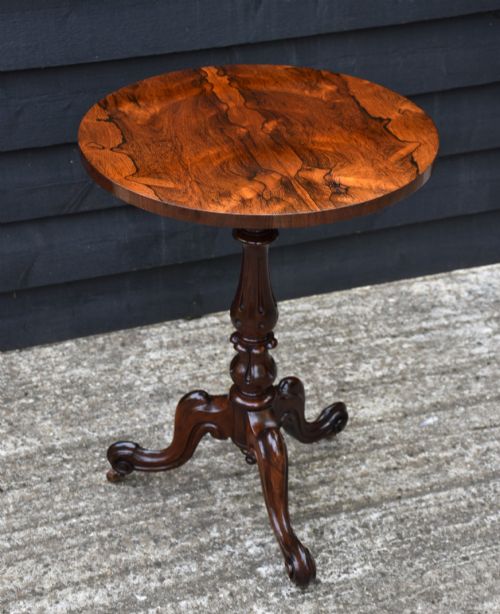
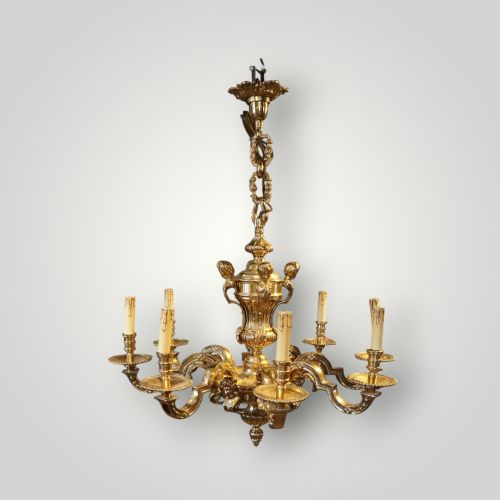
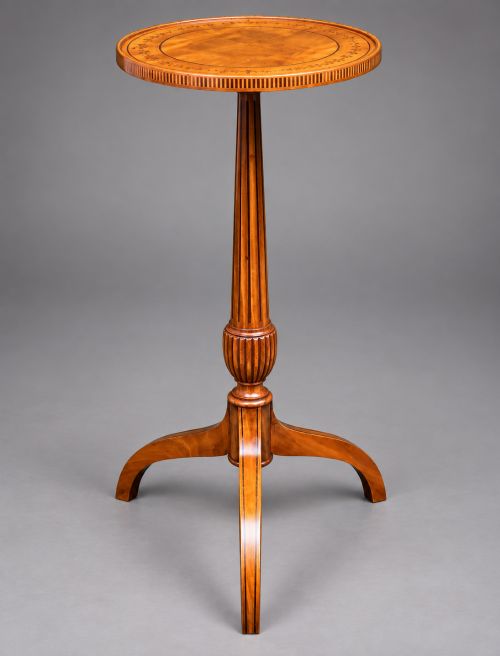
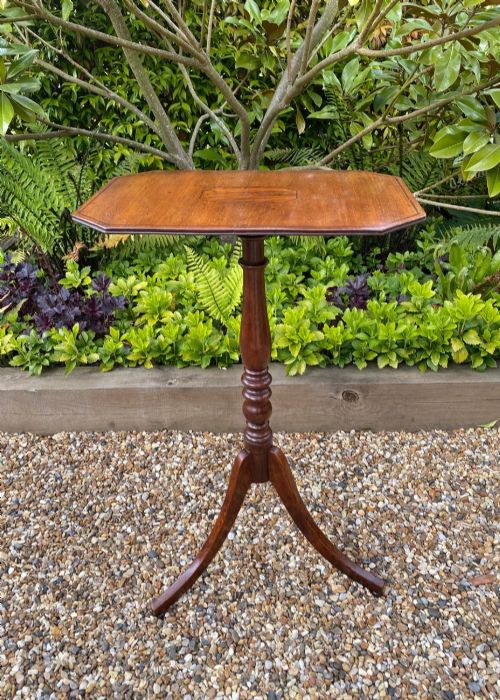

19th Century Candle Lamp
A 19th century candle lamp delivers the warm, flickering ambience of oil and wax lighting combined with the sturdy craftsmanship of the Victorian, Regency and Georgian periods.
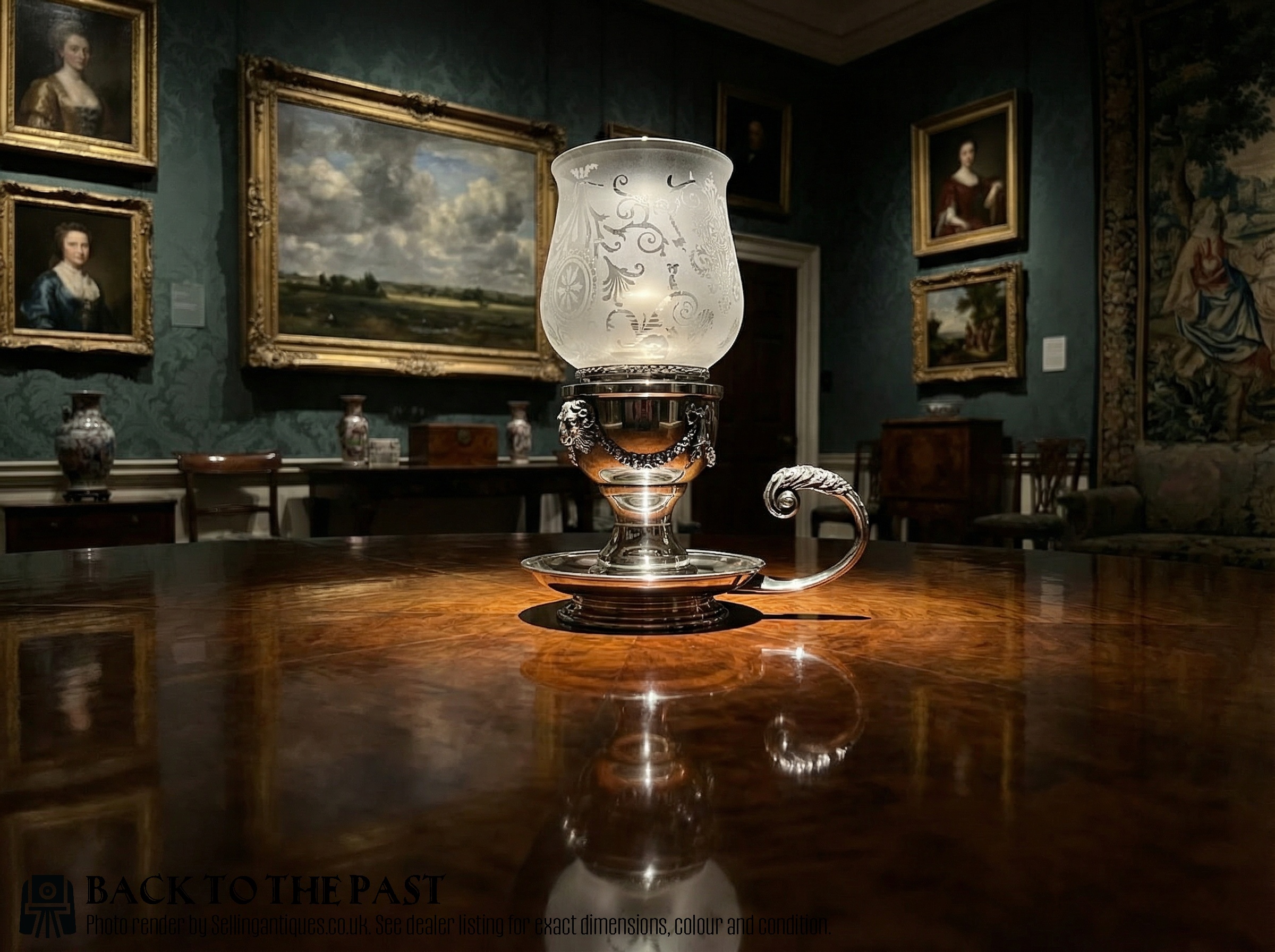
19th Century Candle Lamp
A 19th century candle lamp represents a functional lighting fixture designed to burn tallow or wax, frequently emerging in brass, copper and bronze across French and English workshops.
Buyers seeking this phrase encounter sturdy ecclesiastical altar sticks converted for modern illumination alongside student lamps complete with implements and portable carriage pieces.
The selection ranges from tall church candlesticks to compact desk configurations, reflecting the diverse domestic and liturgical lighting needs of the eighteen-hundreds.
How they were made
Metalwork dominates the construction, utilising cast brass, beaten copper and finished bronze to form heavy weighted bases and delicate drip pans that caught melting wax.
Hand blown glass components occasionally accompany these metal frames, providing protective chimneys or globes to steady the flame against drafts in domestic interiors.
Makers integrated original candle fittings directly into the structural shafts, ensuring the metal components could support the heat and weight of frequent use.
19th Century Candle Lamp Retail Price Guide 2026
Typical asking prices for 19th century candle lamp among the pieces listed under this phrase on Sellingantiques today, from the lower quarter to the upper quarter. They describe what is for sale here now, not the wider market.
Some surviving student lamps still cling to their tiny attached metal snuffers and extinguishers, ready to put out a bedtime read.
What varies in quality
The casting crispness of the metalwork defines the upper tier, where chased details on bronze and brass remain sharp rather than smoothed by excessive polishing over generations.
Substantial weight in the base indicates superior craftsmanship, ensuring stability for tall tapers without tipping during routine handling and adjustment.
The survival of original elements, from authentic candle fittings to hand blown glass shades, distinguishes an exemplary survivor from a heavily altered example.
The 19th Century Candle Lamp Glossary
- Candle lamp
- A lighting device specifically engineered to burn wax or tallow candles, often featuring an elevated base and a protective glass shade.
- Pat test
- A safety examination verifying the electrical integrity of antique lamps that have received modern wiring conversions.
- Altar candlestick
- A tall, heavily weighted ecclesiastical support designed for church settings, frequently adapted later into domestic table lighting.
- Toleware
- Enamelled or lacquered sheet metal, commonly utilised in French manufacturing for brightly coloured decorative lamp bodies.
- Torchere
- A tall decorative stand or candlestick designed to hold a light source above eye level in a grand interior scheme.
19th Century Candle Lamp: Frequently Asked Questions
How were these lamps used?
These lamps provided targeted illumination for reading, writing, and liturgical services before the widespread adoption of gas and electric lighting.
Owners placed them on desks, sideboards, and altars where adjustable or elevated light was required for close tasks.
How do I clean brass and bronze?
Maintenance requires gentle dusting with a soft cloth to protect the accumulated patina developed over centuries of handling.
Aggressive metal polishes should be avoided because they strip away the historical surface finish that collectors value.
Can I use standard candles?
Most antique fittings accommodate specific taper diameters that match nineteenth-century sizing standards rather than modern mass-produced widths.
Checking the interior diameter of the nozzle ensures a secure fit for any wax or tallow candles you plan to display.