

19th Century Bronzed Figure
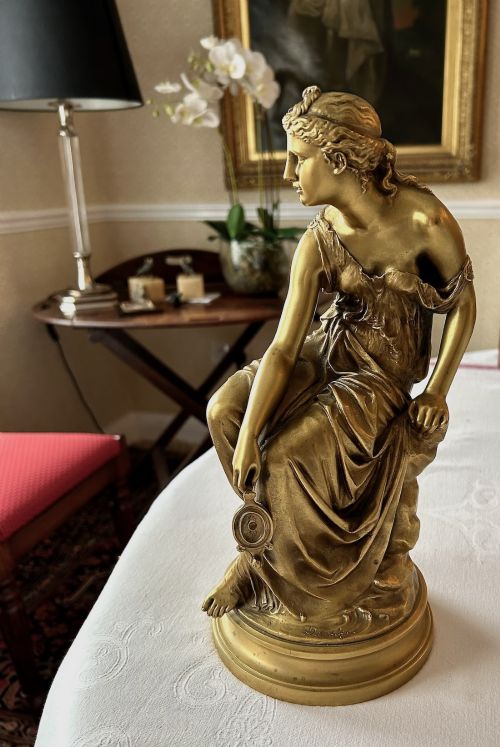
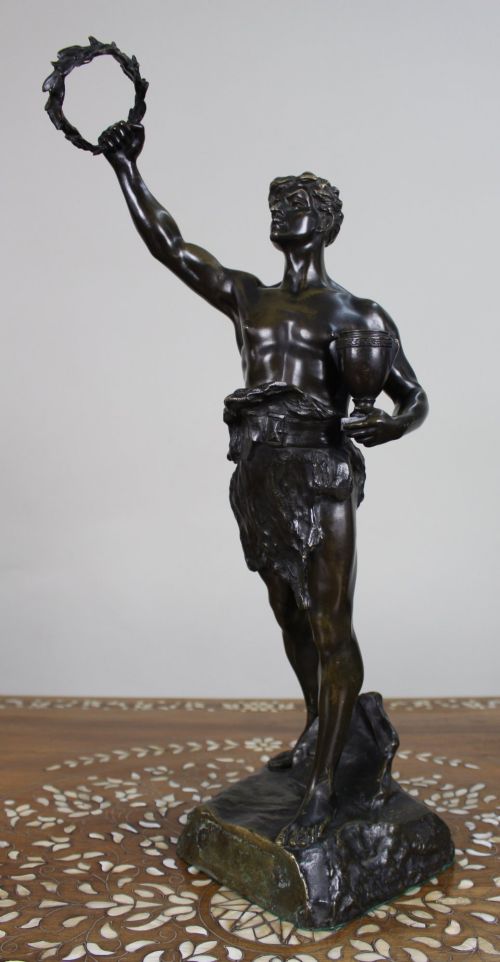
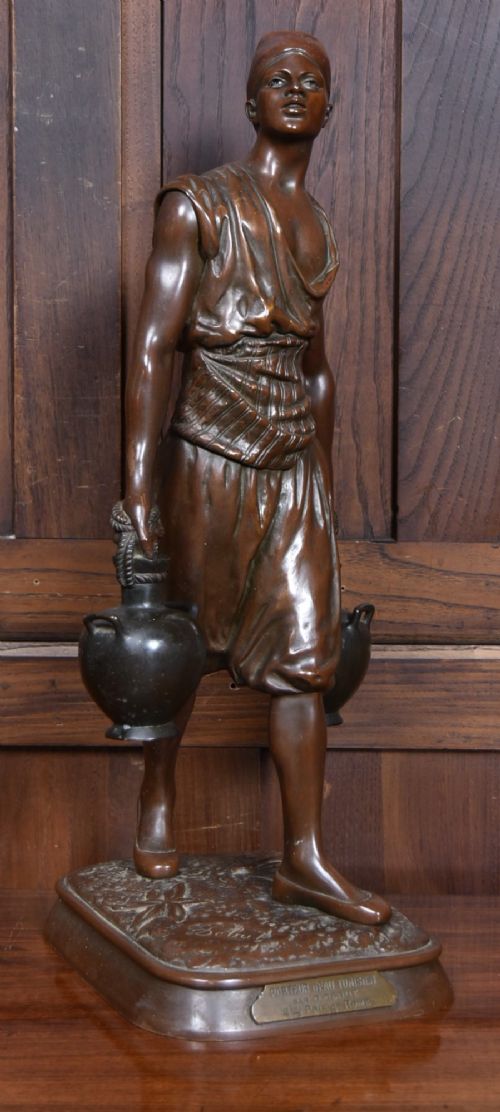
A 19th century bronzed figure brings classical elegance and detailed foundry work into a room.
19th Century Bronzed Figure
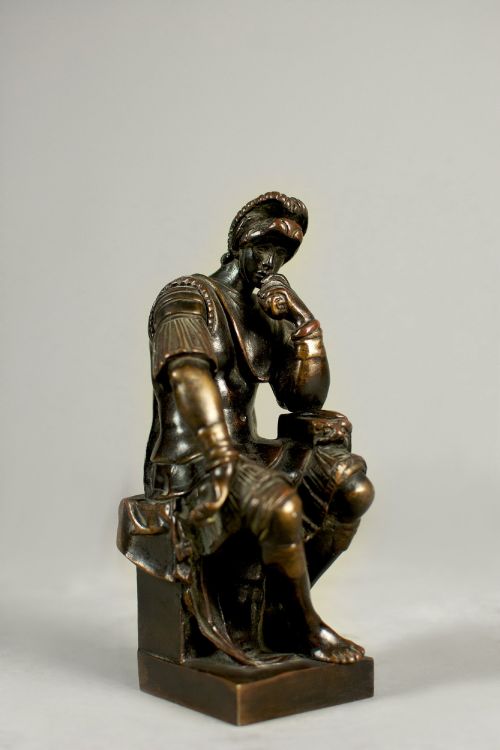
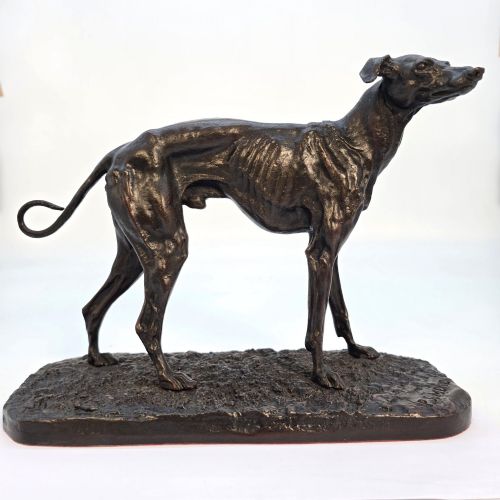
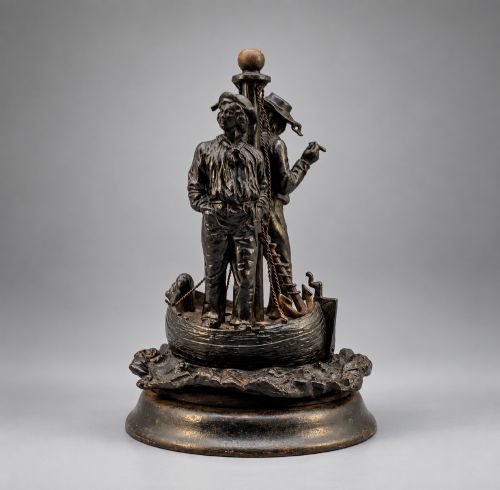
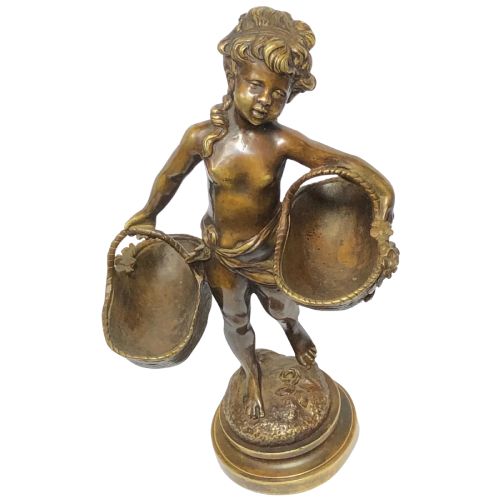
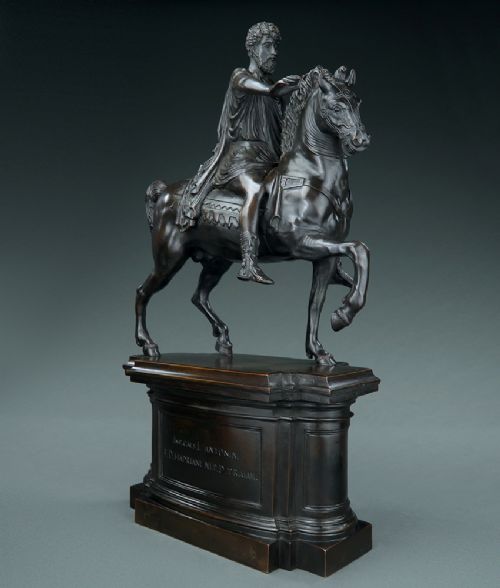
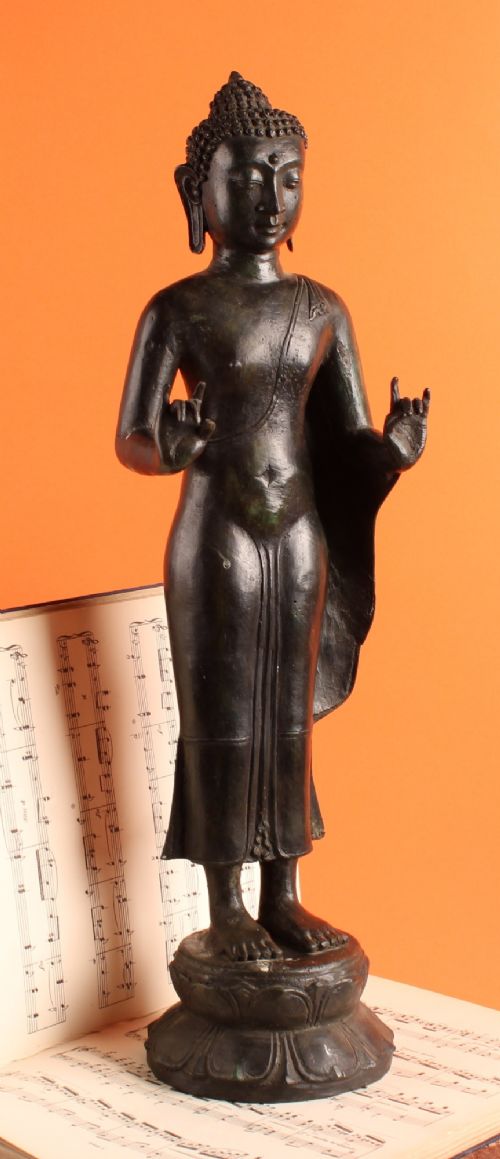
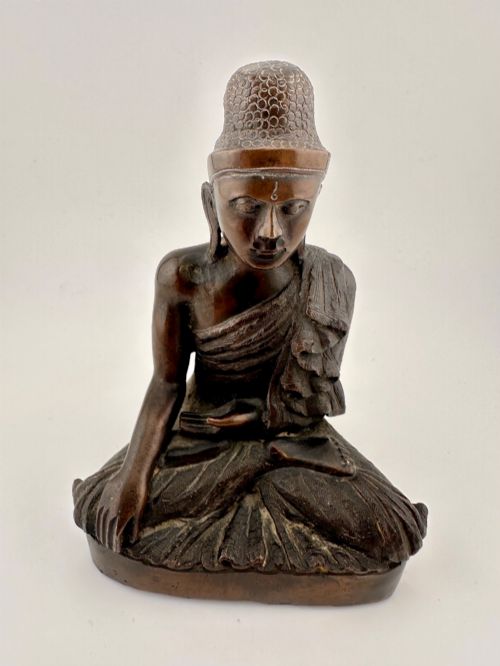
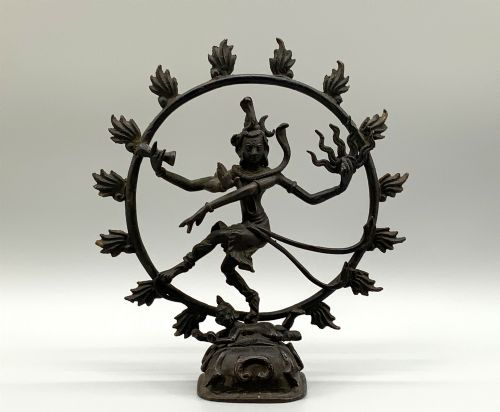
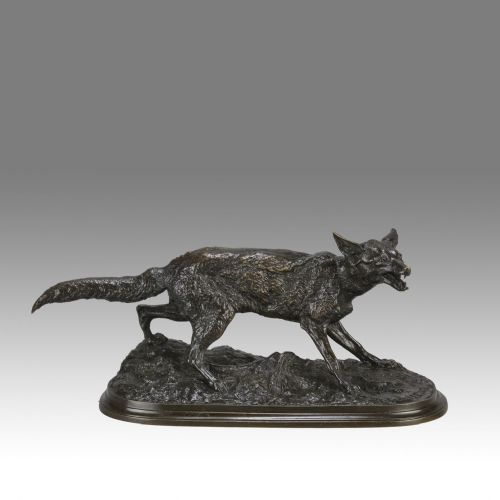
A 19th century bronzed figure encompasses cast metal sculptures, mythological deities, animals, and classical human forms produced across Europe and Asia during the 1800s. These pieces range from small Grand Tour souvenirs acquired by travellers in Italy to large French salon sculptures and Asian Buddhist statues.
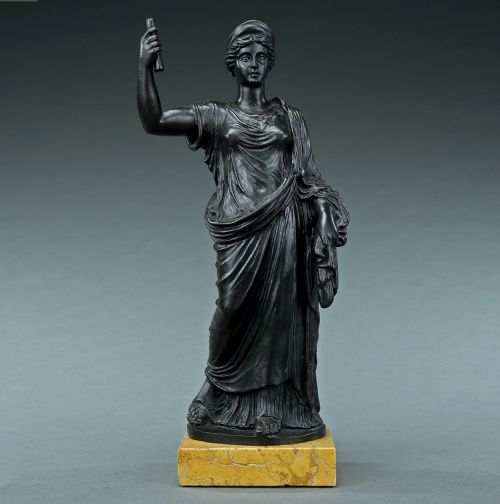
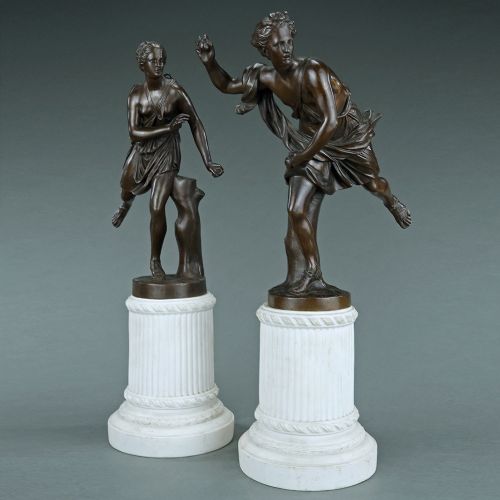
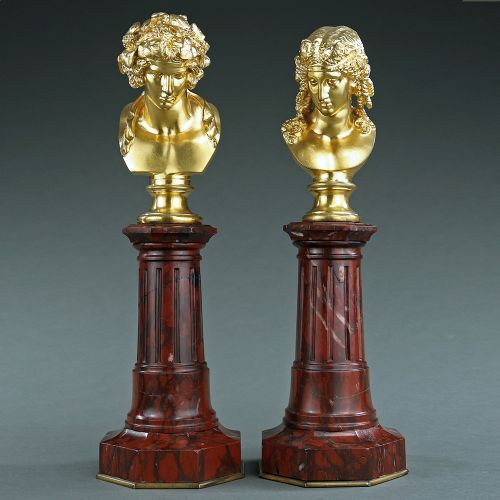
The most common version on this page is the French cabinet bronze or Grand Tour reduction, often cast in patinated or gilt bronze and mounted on a marble plinth. Figures of classical maidens, animals, and historical writers dominate the selection, alongside table lamps and decorative metalware.
Materials and technique
Surfaces were finished with patination chemicals to achieve dark brown or green tones, or treated with fire gilding to create gilt bronze and ormolu. Spelter also appears as a base metal for bronzed figures, finished with a surface coating to imitate solid bronze.
Listings feature 19th century bronzed figures in styles including Neoclassical, French Empire, Art Nouveau, and Animalier.
Evaluating quality
The crispness of the chase work separates ordinary castings from exceptional ones, as master founders spent hours hand-tooling the metal after it left the mould. Sharp relief in musculature, subtle texture in garments, and clean finishing without visible casting flaws distinguish superior foundry output.
The quality of the mount and the base significantly influences the overall integrity of the piece. Heavy fossil marble or slate plinths, tight joints, and signed foundry marks from prominent Parisian houses indicate higher workshop standards.
Etienne-Henri Dumaige·Barbedienne·P J Mêne·E Rousseau·Moreau Family·Coustou·Claude Michael Clodion·Pierre Philippe Thomire·E Villanis
The 19th Century Bronzed Figure Glossary
- Grand Tour
- A traditional trip of Europe undertaken by upper-class young European men of means in the 18th and 19th centuries to key cultural sites. Souvenirs collected included small bronze replicas of ancient statues and architectural models.
- Patination
- The process of treating a metal surface with chemicals, heat, or natural weathering to alter its colour. This creates protective coatings and aged tones ranging from warm browns to deep greens.
- Ormolu
- Finely ground high-carat gold mercury-gilded to an object of bronze. This technique was widely used in French decorative arts to create brilliant golden highlights on figural bases and mounts.
- Spelter
- A zinc alloy frequently used as a cheaper substitute for bronze in the 19th century. When painted or electroplated with a bronze finish, it mimics the heavier metal.
- Animalier
- A 19th-century artistic genre and style dedicated to the realistic depiction of animals. Sculptors in this movement focused on wild and domestic creatures in dynamic or resting poses.
19th Century Bronzed Figure: Frequently Asked Questions
What is the difference between bronze and spelter?
Bronze is a heavy alloy composed primarily of copper and tin, valued for its durability, resonance, and ability to hold fine detail during casting. Spelter is a zinc-based alloy that is lighter, softer, and more brittle than bronze.
Foundries used spelter as a budget-friendly alternative in the 19th century, often applying a bronze-coloured metallic paint to simulate genuine bronze. You can sometimes check the base for the lighter weight or a duller grey metal showing beneath a chipped finish.
How do I display a bronze figure safely?
Place the sculpture on a stable, level surface away from direct sunlight and sources of extreme heat, which can warp underlying wooden furniture or dry out marble bases. Ensure the piece is balanced securely on its plinth so it cannot be easily tipped over.
Keep bronze figures away from high humidity areas, as moisture can react with residual casting materials or metal surfaces. Allowing adequate space around larger sculptures prevents accidental knocks in busy rooms.
Are all 19th century bronzes signed?
Many 19th-century bronzes bear signatures, foundry stamps, or cachets, but numerous quality pieces remain unsigned or carry only anonymous foundry marks. Master sculptors and prominent houses like Barbedienne regularly signed their editions, while smaller workshops often produced unsigned works.
The absence of a signature does not automatically indicate a reproduction or lesser quality piece. Casting technique, chasing detail, and material weight are more reliable indicators of age and merit than a signature alone.