

19th Century Brass
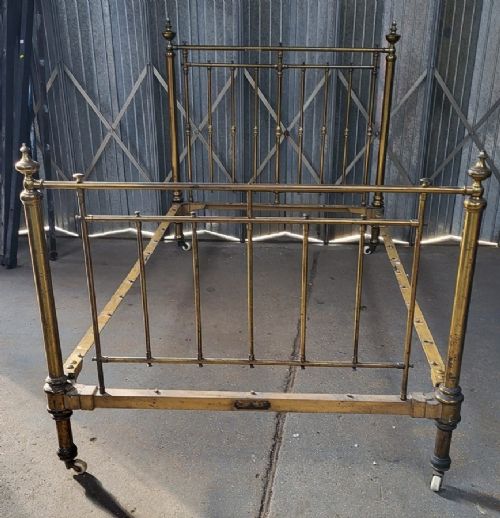
These pieces of 19th century brass bring warmth, weight and tactile craftsmanship to an interior through functional metalwork and mounted furniture.
19th Century Brass
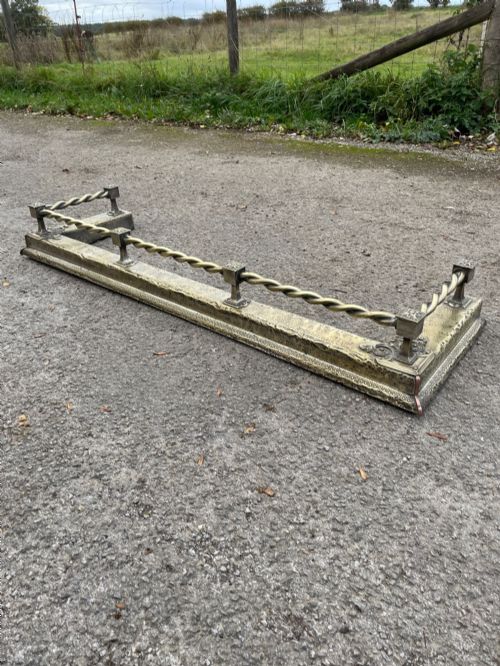
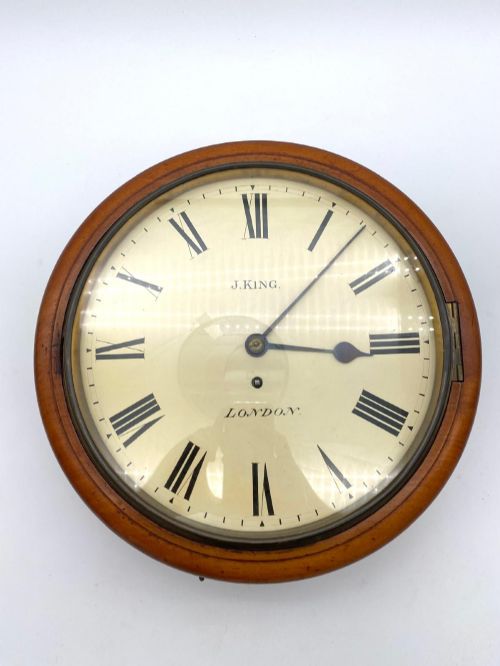
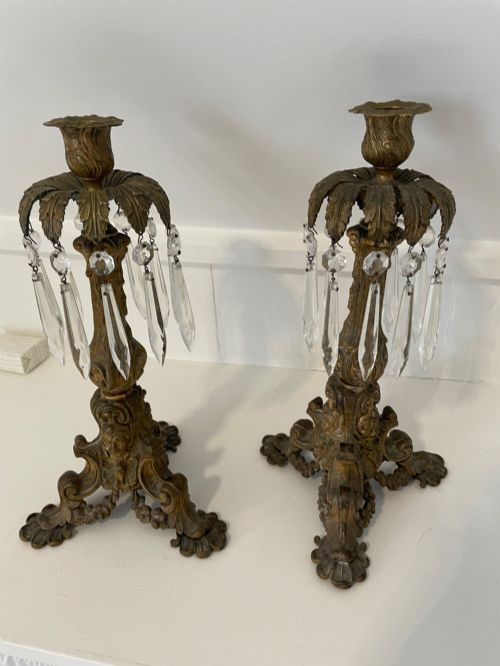
When searching for 19th century brass, buyers encounter a diverse selection ranging from standalone metalware objects to decorative mounts on furniture. The material appears across domestic items such as curtain tie-backs, kitchen pans, fire screens, hanging lanterns and chandeliers, reflecting the period's preference for utilitarian utility combined with ornament.
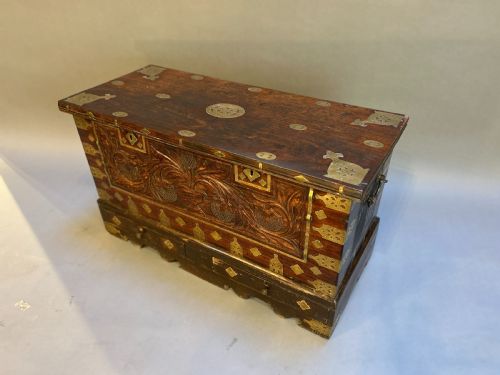
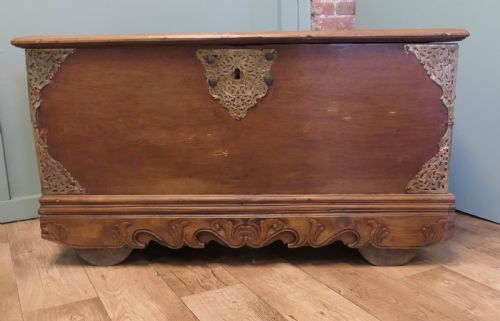
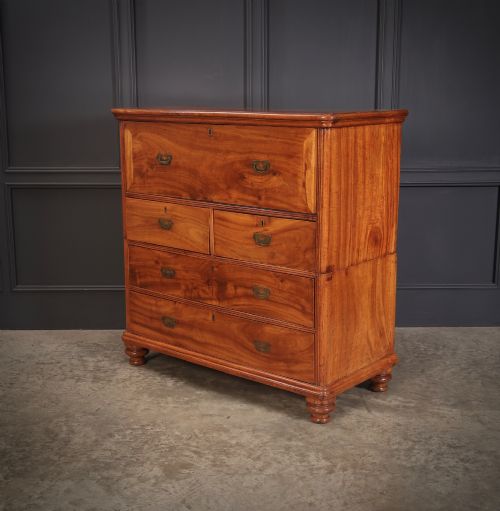
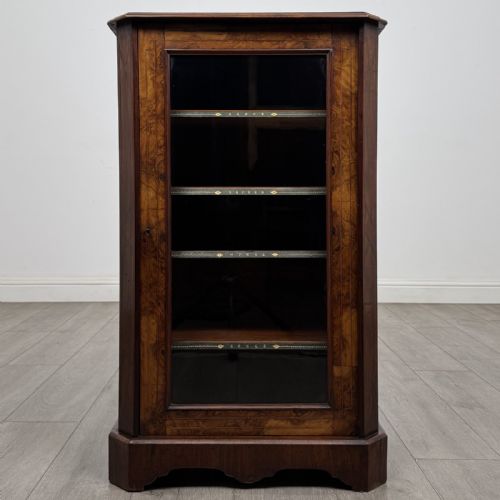
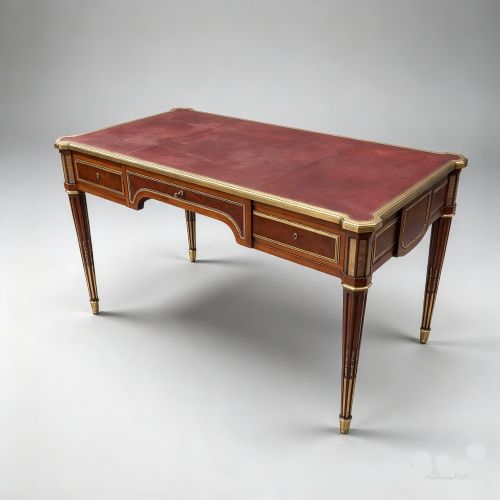
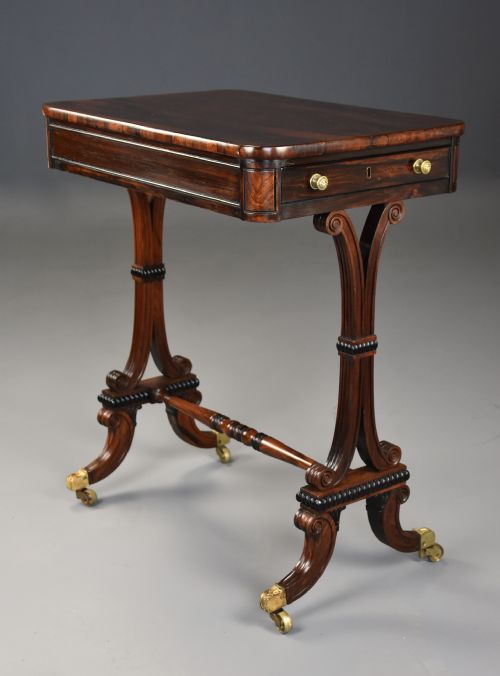
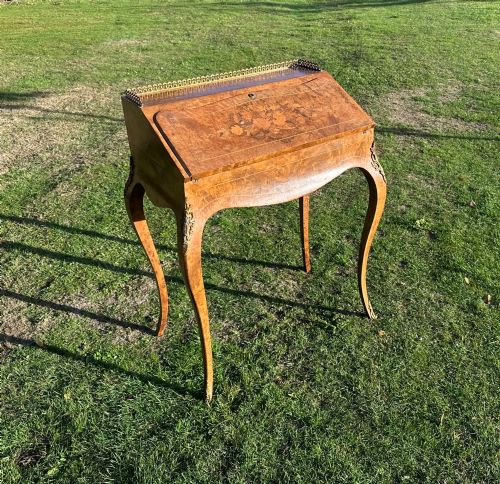
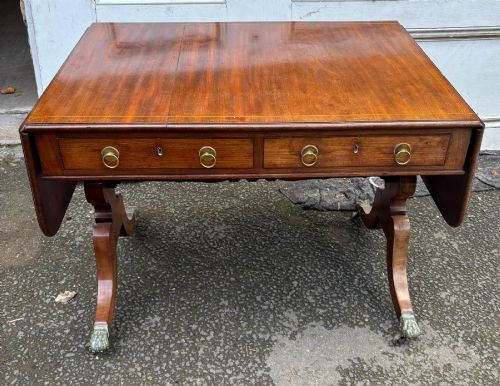
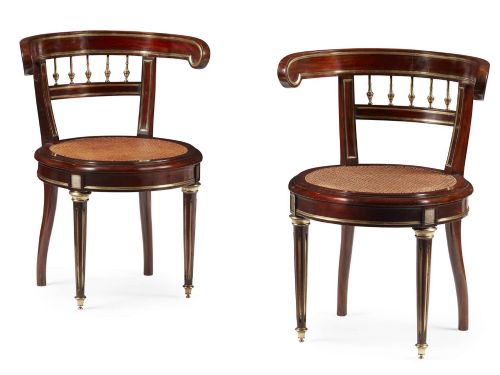
Beyond standalone metal objects, the listings demonstrate how brass forms an integral component of larger furnishings. Pieces include mahogany campaign furniture fitted with brass corners, rosewood tables featuring inlaid brass details or galleries, and desks embellished with ormolu and gilt brass mounts.
The selection spans distinct stylistic movements across the century, including Regency, Victorian, French Empire, French Rococo Revival and Meiji period Japanese cloisonne enamels. This variety shows how makers integrated brass into diverse international designs throughout the decades.
Materials and construction
Makers utilised cast and sheet brass alongside related copper alloys, bronze and gilt brass to achieve varying finishes and structural components. Metalwork was frequently shaped through casting, hammering and piercing, as seen in pierced brass hanging lanterns and heavy bronze or brass chandeliers.
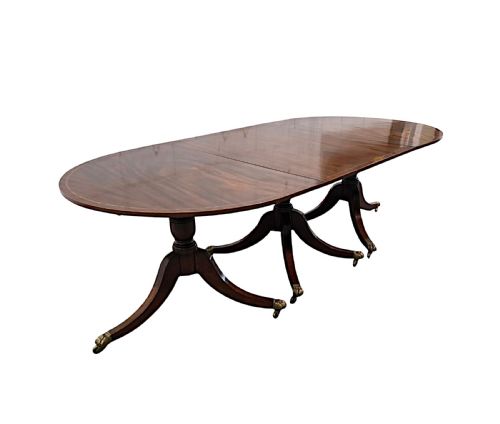
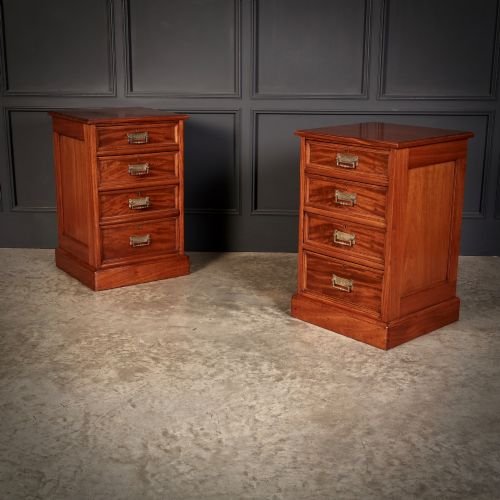
In furniture construction, brass served as an accent and protective element combined with dense timbers like mahogany, rosewood, walnut and oak. Brass casters, handles, inlaid strings and galleries were applied to tables, chests of drawers and writing slopes to strengthen and decorate the wooden forms.
19th Century Brass Retail Price Guide 2026
Typical asking prices for 19th century brass among the pieces listed under this phrase on Sellingantiques today, from the lower quarter to the upper quarter. They describe what is for sale here now, not the wider market.
Listings feature 19th century brass across diverse forms, including mahogany campaign chests, rosewood tables with pierced brass galleries, and gilt brass fire screens.
Judging quality and execution
The distinction between tiers of quality rests in the crispness of the casting and the precision of the metalworking. Finer items exhibit sharp relief in chased decoration, clean piercing and well-fitted mounts, whereas simpler examples show softer edges and standard production methods.
Material selection and weight also dictate the grade of a piece, with heavy gauge brass and rich fire-gilt ormolu marking the upper end of domestic metalware. The integration between the brass fittings and the supporting timber or glass components demonstrates the level of workshop care.
Bouhon Frères·Howard and Sons·Henry-Lepaute·Hoskins and Sewell·Edwards and Jones
The 19th Century Brass Glossary
- Ormolu
- Gilded bronze or brass used for furniture mounts and decorative objects. The technique involved applying a gold amalgam to the metal surface before heating.
- Gallery
- A raised ornamental border, typically pierced brass, fitted around the edge of a tabletop or shelf to secure objects from sliding off.
- Campaign furniture
- Portable pieces designed for military officers, constructed with recessed brass corners, flush folding handles and durable timber to withstand travel.
- Cloisonne
- Enamelling technique where metal wire is soldered to a base to form compartments filled with enamel paste, seen on imported pieces from the period.
19th Century Brass: Frequently Asked Questions
How do I clean antique brass safely?
Historic metalwork benefits from gentle dusting with a soft cloth to preserve the accumulated patina developed over generations. Avoid harsh chemical polishes that strip the surface character and remove the aged tone valued by collectors.
For stubborn residue, mild soap and warm water applied sparingly with a soft brush will lift dirt without scratching the alloy. Ensure the piece is dried thoroughly afterwards to prevent oxidation.
What is the difference between brass and ormolu?
Brass is an alloy composed primarily of copper and zinc, utilised widely for structural fittings, hardware and domestic vessels throughout the period. Its colour varies naturally depending on the exact ratio of the two metals used in the forge.
Ormolu specifically refers to high-status gilded metal, usually bronze or brass treated with a gold mixture to produce a brilliant golden finish. This decorative treatment appears principally on French furniture mounts, clocks and luxury desk sets.
How can I date 19th century brass items?
Dating relies on observing manufacturing techniques, assembly marks and the prevailing design style of the object. Hand-beaten surfaces, cast components without modern machine intervention, and integration with specific furniture periods like Regency or Victorian offer key chronological clues.
Maker stamps, registry marks and patents stamped into the metal can also narrow down the year of production. Comparing construction methods with documented pieces from known workshops provides further verification.
Where should I place brass items at home?
These pieces suit both traditional and contemporary interiors, where the warm metallic tones contrast against neutral walls or timber surfaces. Smaller items like candlesticks or desk sets function well on sideboards and mantels.
Larger elements such as chandeliers, fire screens or campaign chests serve as functional focal points in living rooms and studies. Positioning them away from damp environments protects the metal finish from accelerated tarnishing.