


19th Century Brass Casket
When you handle a 19th century brass casket, you hold a tangible piece of Victorian or Regency storage history that collectors prize for its combination of fine timber and metalwork.
19th Century Brass Casket
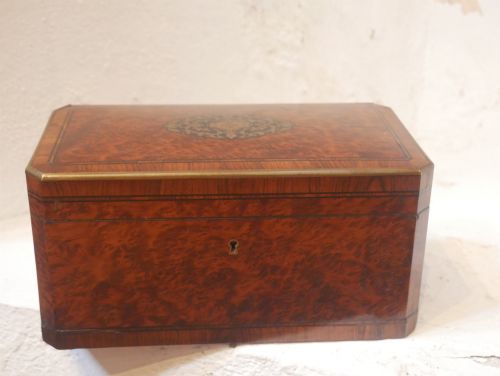
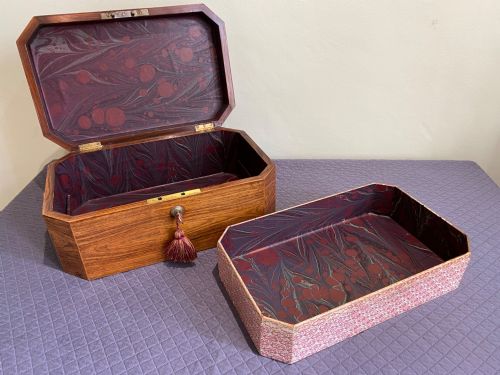
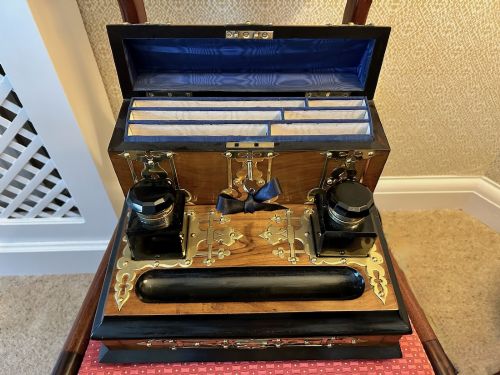
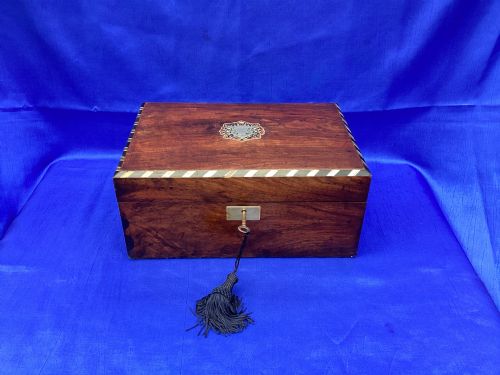
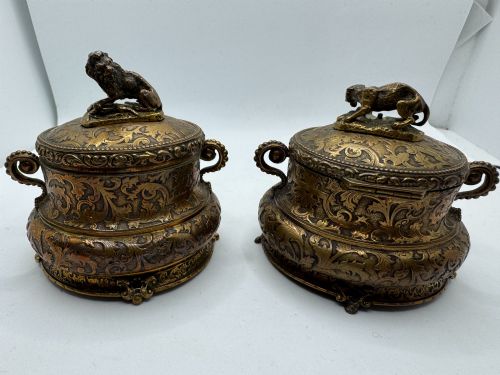
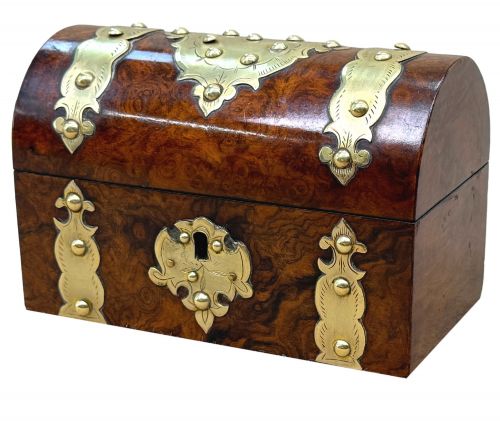
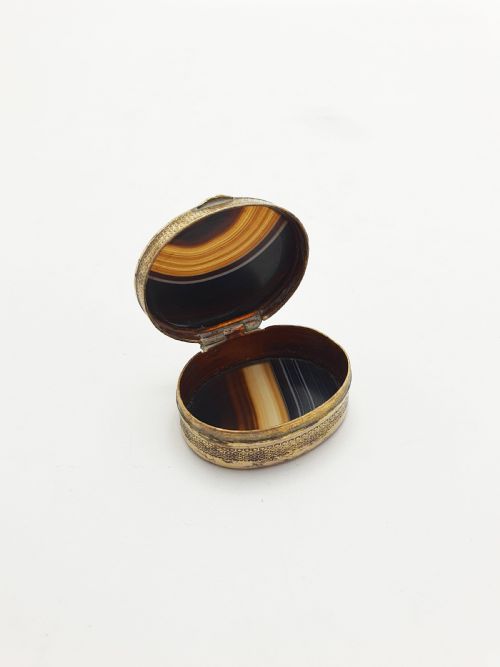
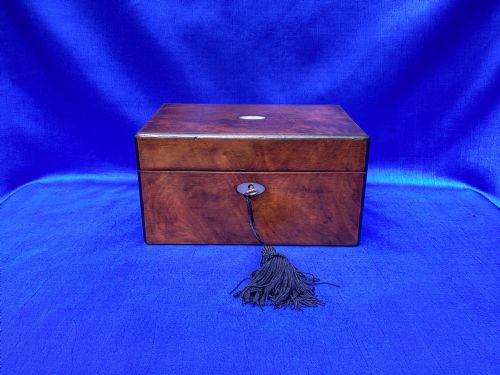
The most common iterations on this page pair brass mounts, straps or inlay with rich timbers like rosewood, walnut and coromandel. Alongside these wood-bodied examples, you will encounter pieces cast entirely in ormolu or gilt-metal, often incorporating materials such as agate, porcelain or mother-of-pearl.
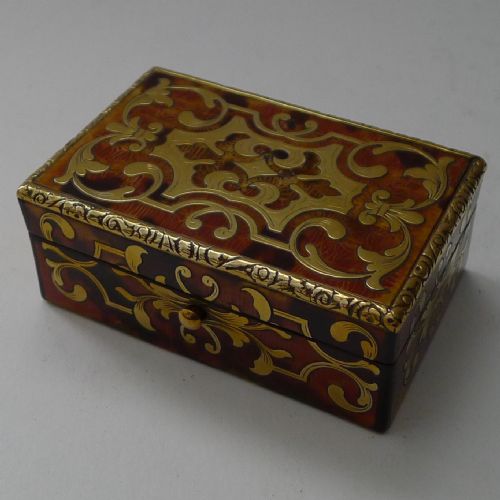
Origin varies between English workshops and continental centres, notably French makers producing boullework, ormolu and Palais Royal novelties. Form follows function, yielding everything from dome-top stationery boxes and campaign document chests to diminutive velvet-lined trinket containers.
How they were made
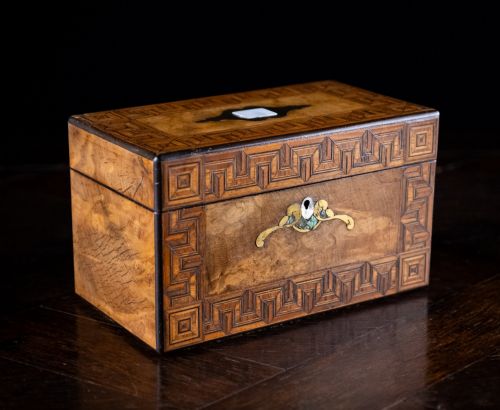
Construction relies heavily on combining dense cabinet timbers with cast, chased or sheet brass. Artisans embedded brass stringing and parquetry directly into polished rosewood, walnut and amboyna surfaces, or secured heavy brass corner mounts and straps with small countersunk screws.
Lock mechanisms and hinges formed an integral part of the production process, requiring precise metalfitting so the heavy lids aligned properly with their brass escutcheons and locks.
One tiny nineteenth-century French novelty box takes the literal form of a coach and horses complete with an opaline glass egg.
What varies in quality
The distinction between ordinary production and superior craftsmanship rests in the crispness of the cast brass mounts and the selection of the timber veneer. Highly figured burr walnut, pollard oak and coromandel indicate a commitment to expensive materials from the outset.
Precision in the metalwork marks the upper tier of manufacture, where brass inlay sits completely flush with the surrounding wood and hinges operate with absolute smooth resistance. Integration of decorative elements like hand-painted porcelain panels, inset hardstones or complex parquetry further separates standard boxes from exhibition-grade pieces.
Tahan Paris·Howell James And Co·Trussell Brighton
The 19th Century Brass Casket Glossary
- Ormolu
- Gilded bronze or brass applied as a decorative mount or structural frame, common in French 19th-century pieces. It provides a bright metallic contrast to dark timber and marble.
- Boullework
- A technique of marquetry using brass and tortoiseshell inlaid into wood, named after the French cabinetmaker André-Charles Boulle. It creates an opulent, reflective surface pattern.
- Escutcheon
- A protective plate surrounding a keyhole, usually fashioned from brass on these caskets. It often serves a decorative as well as a functional purpose.
- Stationery box
- A tall desk accessory featuring tiered or sloping compartments designed to hold writing paper and envelopes upright. They frequently display substantial brass strapwork.
- Campaign box
- Portable storage furniture fitted with brass corner pieces and drop handles to withstand travel. These military-style pieces prioritise robust brass reinforcement.
- Parquetry
- Geometric wood inlay patterns assembled from small veneer tiles. It frequently appears alongside brass stringing on mid-Victorian boxes.
19th Century Brass Casket: Frequently Asked Questions
How were these brass caskets originally used?
These boxes served domestic and administrative roles on nineteenth-century desks, dressing tables and drawing-room sideboards. Owners stored personal correspondence, writing instruments, valuable jewellery and documents inside them.
Many examples feature specific internal partitions, lift-out trays or velvet linings tailored to safeguard delicate items from dust and damage.
How do I identify a French casket from an English one?
French pieces of this era frequently utilise heavy ormolu frames, marble bases and elaborate boullework or porcelain panels. They lean towards decorative display rather than strict utility.
English variants more commonly employ solid cabinet timbers like rosewood or walnut augmented by brass banding, campaign-style corner mounts and flush campaign handles.
What is the difference between a casket and a tea caddy?
While both share similar construction methods involving wood and brass, their interior layouts differ entirely. A tea caddy contains lead-lined compartments or canisters designed specifically to preserve loose tea leaves.
A casket provides open storage space, small drawers or fitted trays intended for jewellery, letters or general trinkets.
How should I care for a nineteenth-century wood and brass box?
Keep these items away from direct sunlight and fluctuating radiator heat to prevent the wood veneers from drying out and lifting. Dust the brass elements gently with a dry cloth without using harsh chemical metal polishes.
Maintain the polished timber surfaces with occasional applications of traditional microcrystalline wax to preserve the finish.