






19th Century Bookends
These 19th century bookends are heavy sculptural pairs designed to support heavy volumes, bringing classical presence and an air of scholarship to a study.
19th Century Bookends
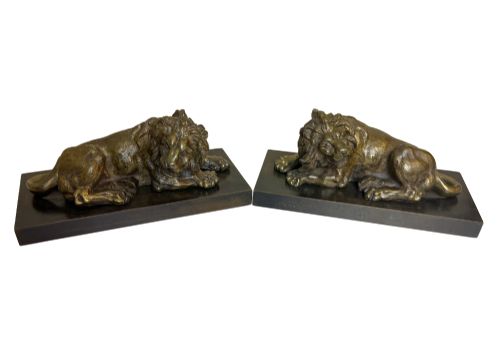
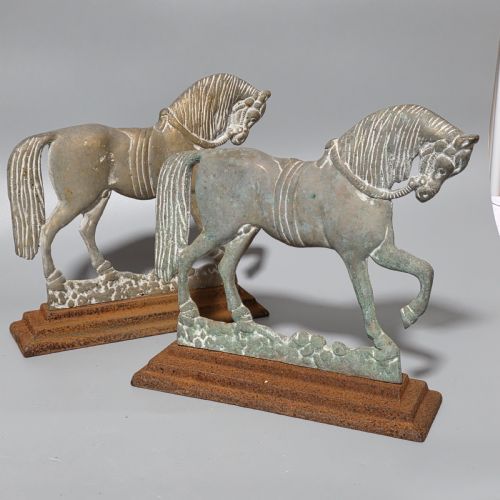
When you search for 19th century bookends, you encounter a selection dominated by bronze and brass animal figures, alongside carved timber panels and marble architectural models. These objects often originate as matched pairs repurposed from sculptures, doorstops, or architectural terminals to hold rows of books.
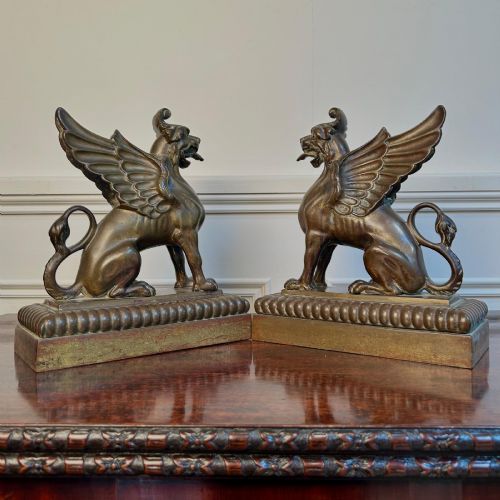
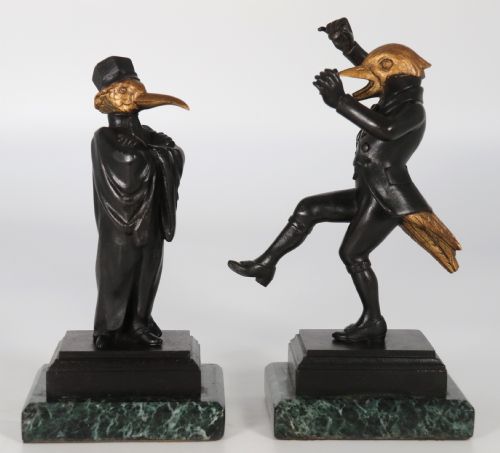
The materials reflect the tastes of the period, ranging from Regency brass and gilt bronze to Victorian carved oak and serpentine marble. The forms vary from heraldic lions and griffins to theatrical birds and classical figures, often drawing on Grand Tour souvenirs and Neoclassical motifs.
How they were made
Foundry casting accounts for the metal examples, utilising bronze, brass, and cast iron to shape detailed figures of lions, horses, and mythological beasts. Metal pieces frequently receive chased surface detailing and applied patination or gilding to enhance depth and definition.
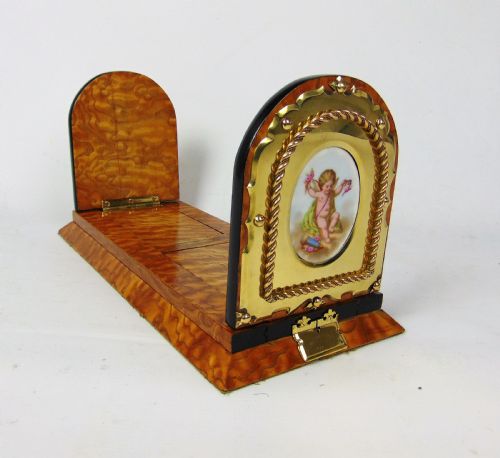
Carved timber and stone versions rely on hand-working techniques applied to dense hardwoods like walnut and oak, or marbles such as green serpentine. Artisans shape these materials into panels, terminals, and animal models, sometimes incorporating brass hinges or mounts for sliding mechanisms.
19th Century Bookends Retail Price Guide 2026
Typical asking prices for 19th century bookends among the pieces listed under this phrase on Sellingantiques today, from the lower quarter to the upper quarter. They describe what is for sale here now, not the wider market.
Several pairs depict theatrical birds and seated lions, proving that even Victorian accountants enjoyed a dramatic desk companion.
What varies in quality
The integrity of the matching pair and the selection of base materials dictate the standing of the object. High-end pieces utilise substantial marbles, genuine hardwoods, or heavy cast metals with stable mountings, ensuring both aesthetic balance and functional weight.
Tiffany & Co
The 19th Century Bookends Glossary
- Grand Tour
- A cultural journey undertaken by wealthy young Europeans in the 18th and 19th centuries, bringing back classical souvenirs. These objects often inspired later decorative sculptures adapted into book supports.
- Serpentine
- A dark green mineral resembling marble, frequently carved in Italy during the 19th century. It provides a heavy, cool-to-the-touch base for sculptural figures.
- Gilt bronze
- Bronze that has been coated in a thin layer of gold or gold-coloured metal. This technique creates a rich, reflective surface finish popular in Regency and Victorian decorative arts.
- Griffin
- A mythical creature with the body of a lion and the head and wings of an eagle. This motif frequently appears in Neoclassical and Victorian metalwork and carved terminals.
- Book slide
- An adjustable desk accessory with expanding wooden or metal ends connected by a sliding mechanism. It allows shelves of books to contract or extend while remaining upright.
19th Century Bookends: Frequently Asked Questions
Were all 19th century bookends originally made for books?
Many items used as bookends in this period started life as cabinet bronzes, architectural models, or even doorstops. Sculptural pairs were frequently adapted to support libraries as shelves became common in domestic interiors.
This crossover means pieces often display a sculptural weight and presence that exceeds standard utilitarian book supports of later eras.
How do I identify Regency period examples?
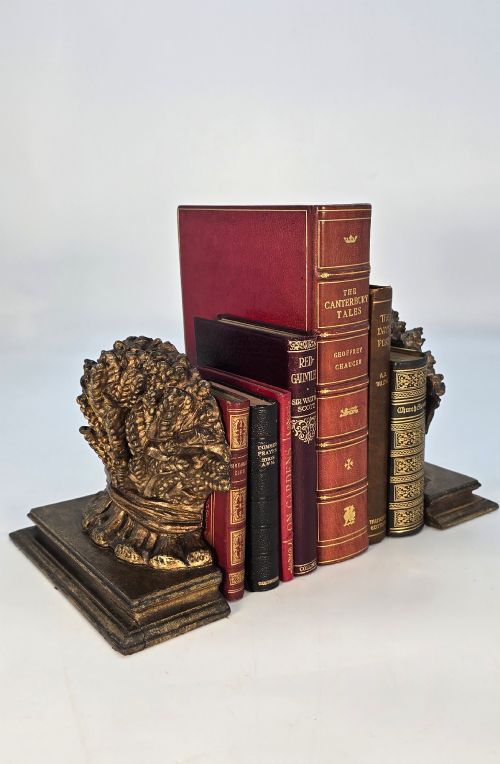
Regency pieces often display restrained Neoclassical influences, featuring crisp brass or bronze work derived from classical antiquity. Look for motifs like wheat sheaves and strict architectural proportions.
These earlier examples tend to emphasise clean metal casting and classical symmetry over the heavier ornamentation seen later in the Victorian era.
What is the difference between bronze and brass bookends?
Bronze is an alloy of copper and tin that allows for finer casting detail and a deeper, warmer patination when hand-finished. Brass contains copper and zinc, yielding a brighter, yellower metallic tone.
Both materials provide the substantial weight required to keep heavy volumes stable on an open shelf or desk.
How should I care for marble and stone bookends?
Dust natural stone and marble surfaces regularly with a soft, dry cloth to prevent the accumulation of dirt in carved recesses. Avoid using chemical cleaners or abrasive agents that might strip the historic surface finish.
If the stone includes metal mounts or bases, take care to keep moisture away from the joins to prevent tarnishing.