





Neoclassical Desk Accessories
Neoclassical desk accessories bring classical harmony to a workspace, offering solid bronze, marble, and ormolu pieces that anchor a room.
Neoclassical Desk Accessories
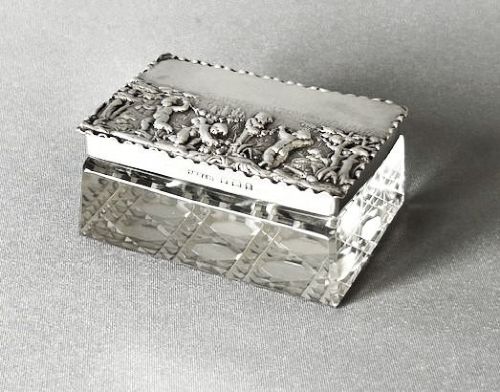
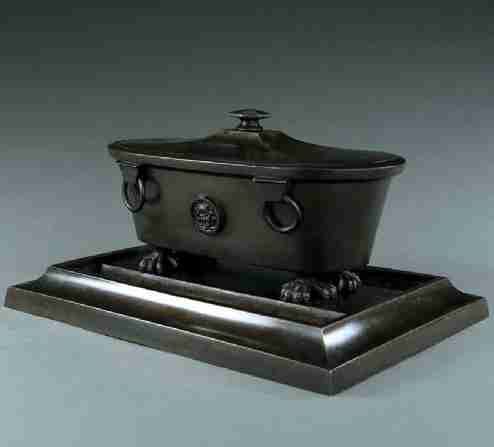
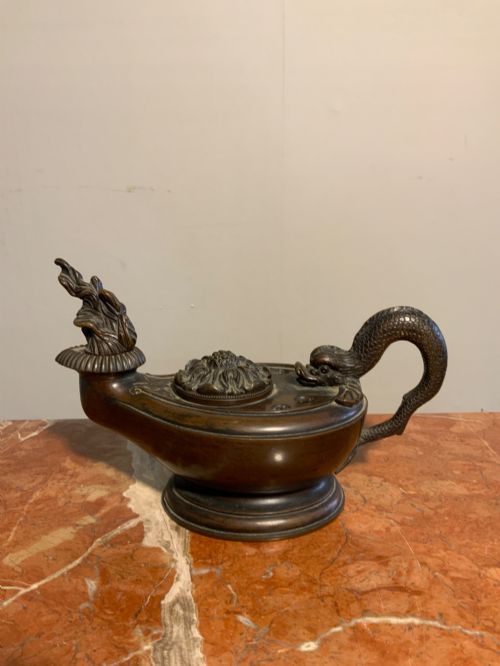
When you search for neoclassical desk accessories, you are looking at functional desktop objects drawing directly from Greek and Roman design vocabulary. These pieces arrive in forms such as inkstands, inkwells, candlesticks, clocks, bookends, and pounce pots.
The versions you are most likely to meet on this page date predominantly from the nineteenth century, including the French Restoration and Empire periods, alongside Grand Tour souvenirs and occasional twentieth-century examples. They combine classical architectural motifs with the practical requirements of a traditional writing table.
How they were made
Maker's workshops employed cast bronze, patinated bronze, and mercury-gilded ormolu, mounting them upon heavy bases of black or Sienna marble. These metals were cast and chased by hand to achieve crisp classical detail on figures, acanthus leaves, and bezels.
Stonemasons cut and polished the marble plinths to support the weight of the metalwork, while glass liners protected inkwells from corrosive liquid ink. Silver components such as pounce pots utilised traditional silversmithing techniques of forming and piercing.
Neoclassical Desk Accessories Retail Price Guide 2026
Typical asking prices for neoclassical desk accessories among the pieces listed under this phrase on Sellingantiques today, from the lower quarter to the upper quarter. They describe what is for sale here now, not the wider market.
What varies in quality
The choice and execution of the marble base also dictate quality, with richly variegated Sienna marble commanding greater attention than plain black stone. Furthermore, the weight and thickness of the cast metal components signal the maker's original investment in materials.
Lefebvre of Belgium·Asprey Of London
The Neoclassical Desk Accessories Glossary
- Ormolu
- Gilded bronze produced by applying an amalgam of gold and mercury to a bronze base and heating it. This technique creates a durable, warm golden finish characteristic of the Empire period.
- Encrier
- A French term for an inkstand fitted with one or more inkwells and often a pen tray. These portable writing modules sat centrally on the desk.
- Pounce pot
- A small shaker container used to sprinkle powdered resin or cuttlefish bone onto rough paper. This prepared the surface for ink by filling microscopic pores so the quill would not catch.
- Grand Tour
- A traditional trip through Europe undertaken by upper-class young men in the eighteenth and nineteenth centuries to study classical art. Souvenirs from these journeys included small bronzes and marble antiquities.
Neoclassical Desk Accessories: Frequently Asked Questions
What is an inkstand?
An inkstand is a desk accessory that holds an inkwell, sand or pounce pot, and a pen tray on a unified base. They kept writing implements organised and protected the desktop from spills.
Most examples from this tradition feature heavy metal castings mounted on marble bases. They served as both functional stationery items and decorative centrepieces for libraries and studies.
How do I use a pounce pot?
A pounce pot was filled with fine powder made from resin, pounce, or powdered cuttlefish bone. Writers shook the powder over freshly written ink to absorb excess moisture and smooth the paper.
Once the powder had done its work, it was brushed off before the page was folded or sealed. Today, these small shaker pots make decorative desk items or containers for small pins.
What is Empire style?
Empire style refers to the decorative arts movement dominant during the rule of Napoleon Bonaparte. It draws heavily on the imperial aesthetics of ancient Rome and Egypt, featuring laurel wreaths, sphinxes, and military trophies.
Desk accessories from this period display strong symmetry, patinated and gilt bronzes, and classical figures. This aesthetic returned during the nineteenth century in various revival forms.
How do I clean marble bases?
Marble bases on desk accessories require gentle cleaning with a soft, dry cloth or a slightly damp sponge using plain water. Avoid harsh chemical cleaners or acidic substances which can etch the polished stone surface.
Leaving dust to accumulate in the carved recesses of the marble or bronze will dull the finish over time. Regular light dusting preserves the natural lustre of the materials.