



19th Century Bird Figurine
A 19th century bird figurine captures the natural world in bronze, porcelain, and terracotta, bringing domestic charm and sculptural energy into any room.
19th Century Bird Figurine
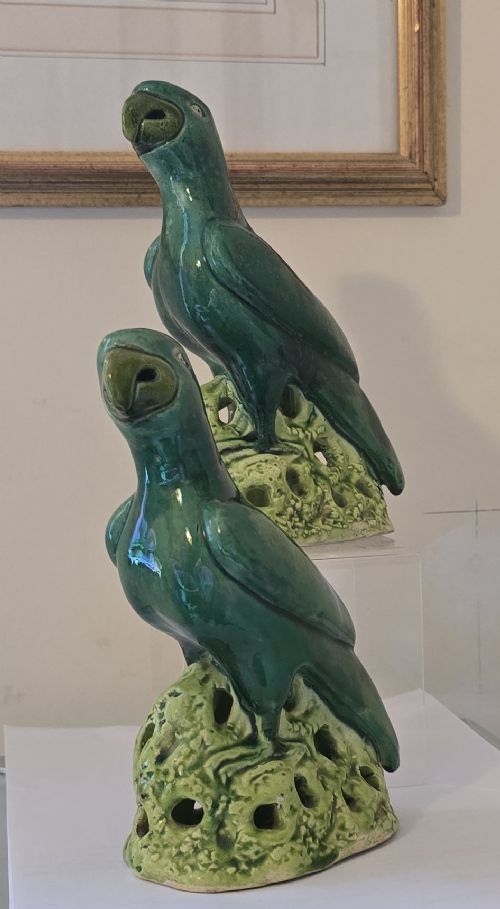
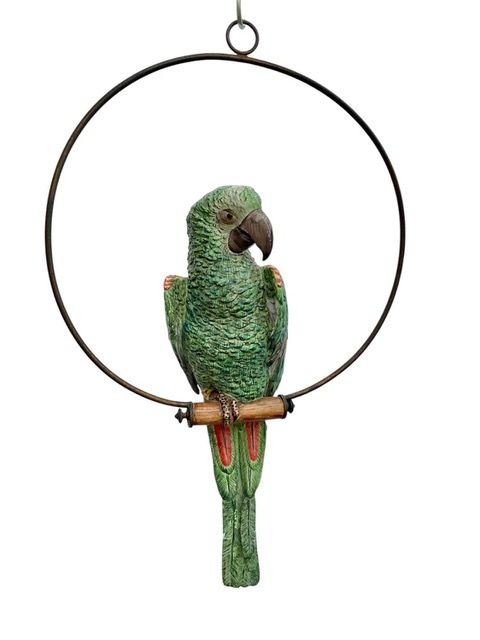
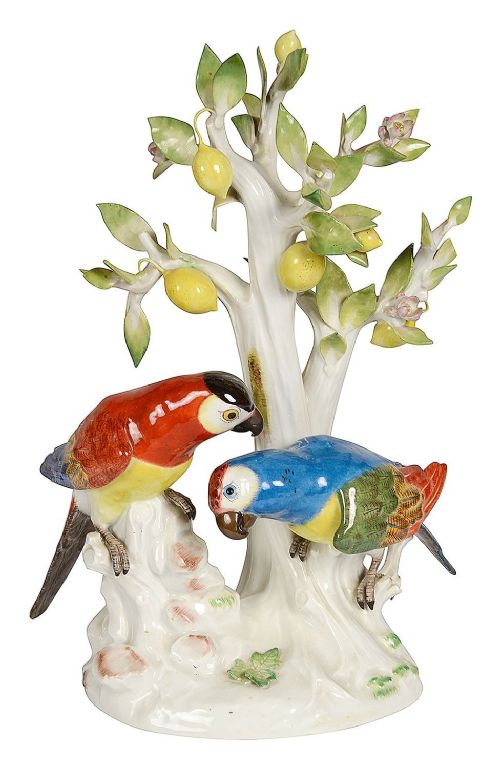
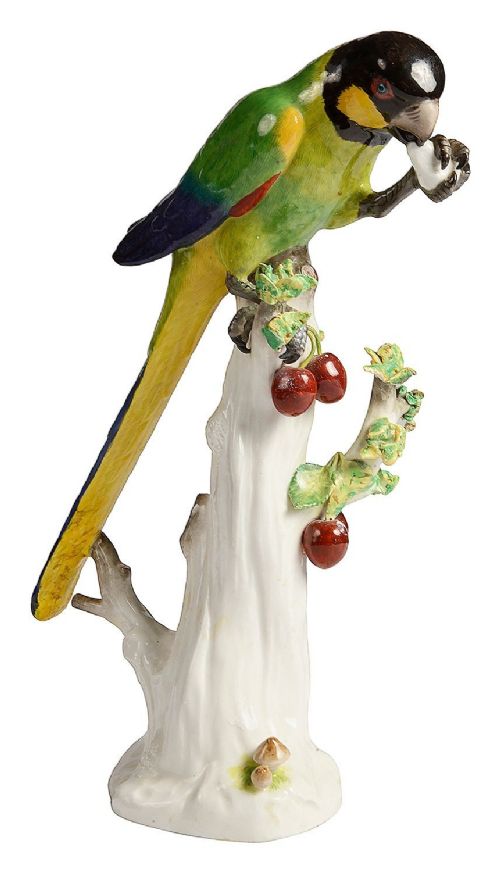
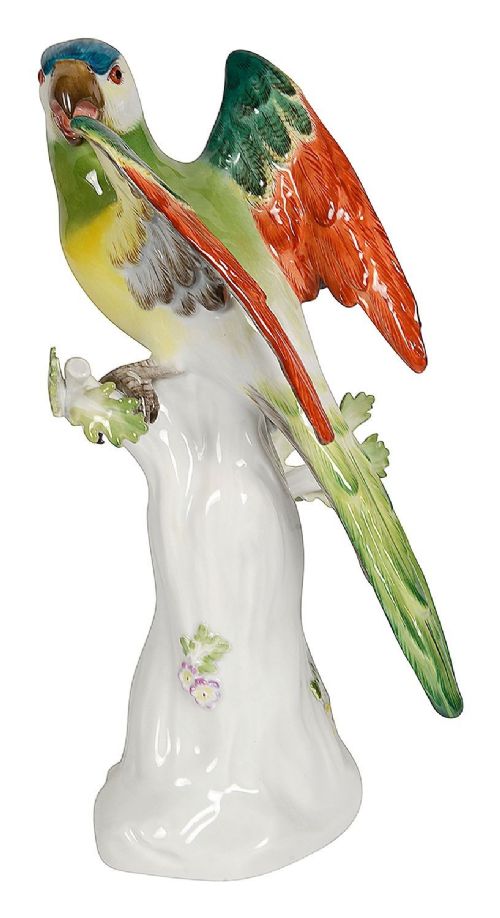
A 19th century bird figurine encompasses a diverse range of decorative forms, from porcelain parrots and cockatoos to bronze storks, grouse, and ostriches. These pieces originate from various European and Asian traditions, reflecting popular animalier subjects and decorative tastes of the period.
Buyers will encounter single avian subjects perched on branches, pairs nestled under lemon trees, or more theatrical bronze caricatures and inkwells. The selection spans earthenware terracottas, delicate Meissen porcelain, and cold painted metals.
Most examples date across the Victorian era, utilising the sculptural and ceramic techniques characteristic of German, French, and English workshops. Each form serves primarily as a decorative ornament, capturing realistic plumage or stylized avian posture.
Materials and construction methods
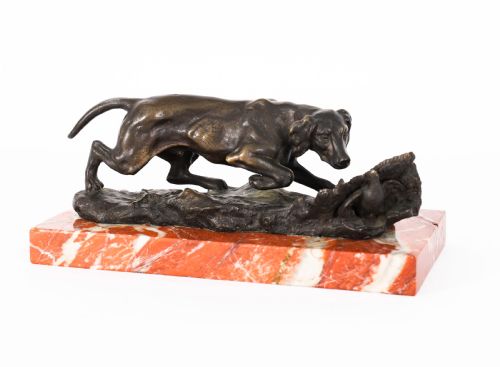
Metal figures rely heavily on bronze casting, often enhanced with cold painted pigments, ormolu, or gilt finishes to highlight intricate feather details. Workshops also utilised silver and brass for distinct metallic finishes on game birds and eagles.
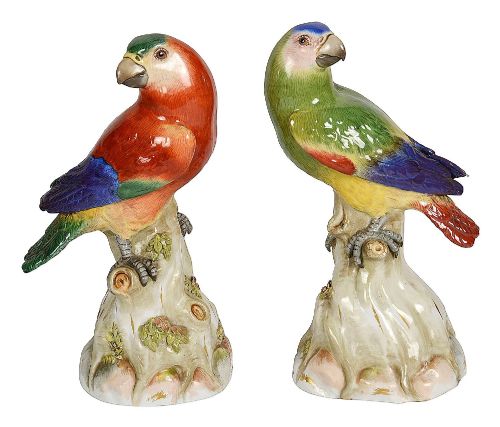
Ceramic examples employ hard-paste porcelain and terracotta, shaped into realistic avian forms and finished with hand-painted enamel colours. Walnut and carved woods further expand the medium, utilising traditional woodworking techniques for folk art carvings.
The combination of casting, hand-carving, and meticulous enamel painting dictates the distinct tactile quality of each piece. These traditional methods ensure durable forms that retain their detailed surface textures over time.
19th Century Bird Figurine Retail Price Guide 2026
Typical asking prices for 19th century bird figurine among the pieces listed under this phrase on Sellingantiques today, from the lower quarter to the upper quarter. They describe what is for sale here now, not the wider market.
Common avian subjects include parrots, cockatoos, storks, grouse, and theatrical caricature birds created by prominent nineteenth-century sculptors.
Factors determining quality
Quality rests upon the crispness of the casting in metals or the fineness of the modelling in porcelain. Superior examples display deeply articulated feather patterns and lifelike postures rather than generalized or soft contours.
The sophistication of the hand-painting, particularly the subtle blending of enamel colours on porcelain birds or the preservation of cold painted finishes on bronze, elevates an ordinary object to a work of fine art. Maker attribution and the weight of the material further distinguish superior works from standard production pieces.
Carl Kauba·Louis Emile Cana·Maurice Bouval·Antoine Bofill·AL Barye·Ferdinand Pautrot
The 19th Century Bird Figurine Glossary
- Animalier
- A nineteenth-century artistic movement focusing on the realistic depiction of animals. Sculptors in this style studied living creatures closely to capture authentic movement and anatomy.
- Hard-paste porcelain
- A durable ceramic material fired at high temperatures, commonly used by major European factories for detailed figurines. It accepts coloured enamel glazes brilliantly.
- Cold painted bronze
- A technique where bronze sculptures are painted with non-heat-setting paints after casting. This finish requires careful handling to preserve the delicate pigment layers.
- Ormolu
- Gilded bronze used for decorative mounts and subsidiary elements on nineteenth-century pieces. The process involves applying a gold amalgam to the metal surface.
- Famille rose
- A Chinese porcelain palette dominated by opaque pink enamel colours. This style appeared on imported ceramic bird figures during the nineteenth century.
19th Century Bird Figurine: Frequently Asked Questions
How do I clean porcelain bird figurines?
Dust porcelain figures gently with a soft, dry brush to prevent accumulating dirt in crevices and feathers.
Avoid using water or chemical cleaners, as these can damage delicate hand-painted enamel details over time.
Where should I display these sculptures?
Place bronze and porcelain birds on stable mantelpieces, bookshelves, or dedicated display cabinets away from direct sunlight.
Keep them out of high-traffic areas where accidental knocks might damage fragile appendages like beaks or tail feathers.
How do I identify bronze animalier pieces?
Examine the sculpture for foundry marks, artist signatures, and the density of the metal casting.
Animalier bronzes typically exhibit naturalistic muscle structures and lively poses characteristic of nineteenth-century French and Austrian workshops.
What is the difference between porcelain and bronze birds?
Porcelain figures offer glossy, brightly coloured ceramic surfaces often produced by factories like Meissen.
Bronze figures provide heavy metallic weight and darker patinas, sometimes enhanced with cold painted colours or gilt accents.