


19th Century Bamboo
These pieces of 19th century bamboo bring light, organic texture and distinct period character into a room through tables, cabinets and stands.
19th Century Bamboo
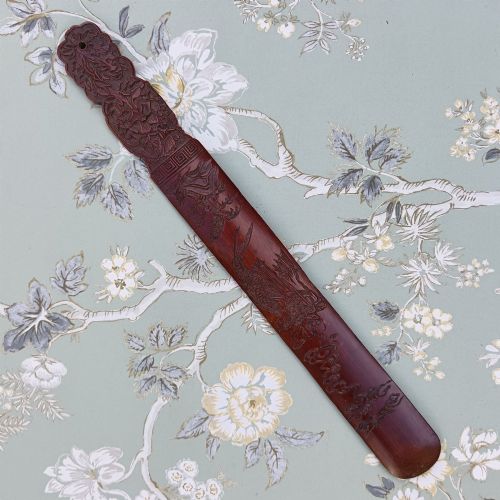
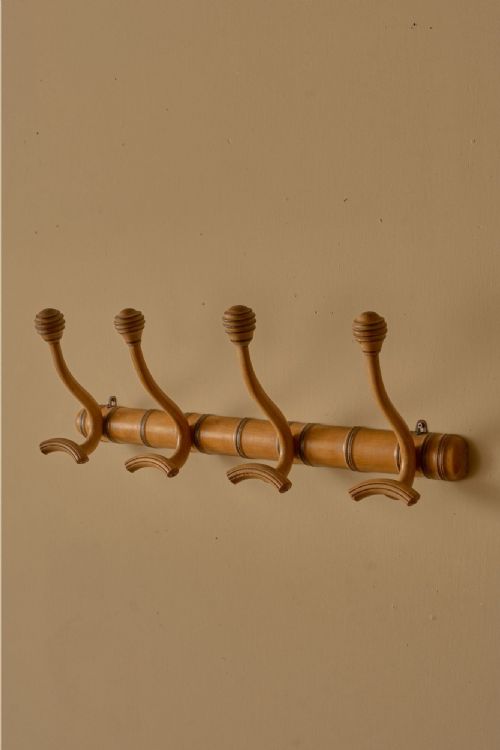
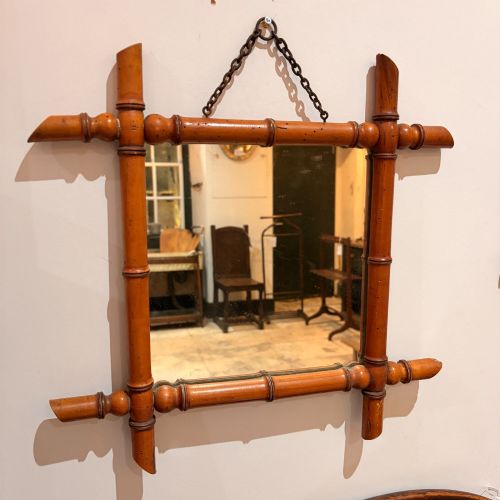
When you search for 19th century bamboo, you encounter furniture and decorative objects made from actual cane or shaped to imitate it in timber. The selection spans utilitarian items like coat hooks, wedding baskets and tea caddies alongside larger furnishings.
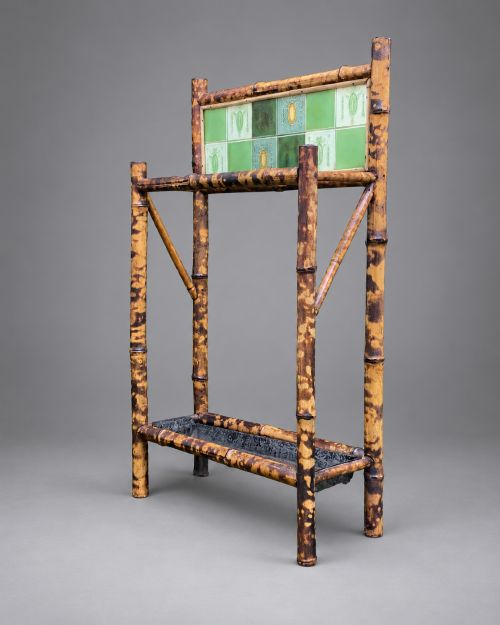
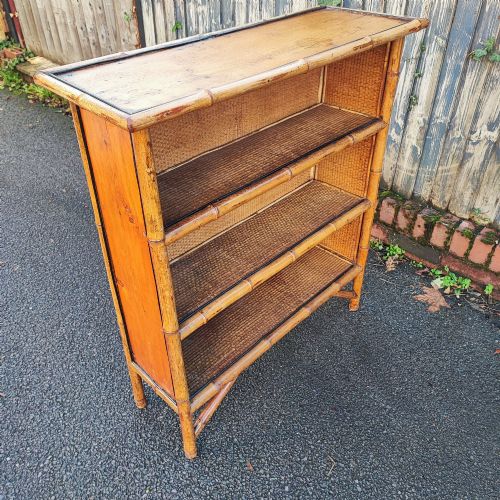
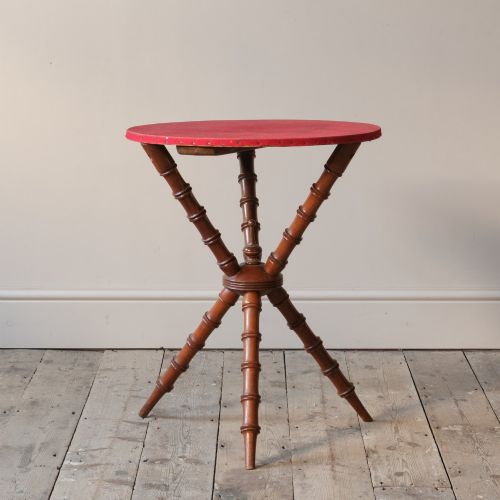
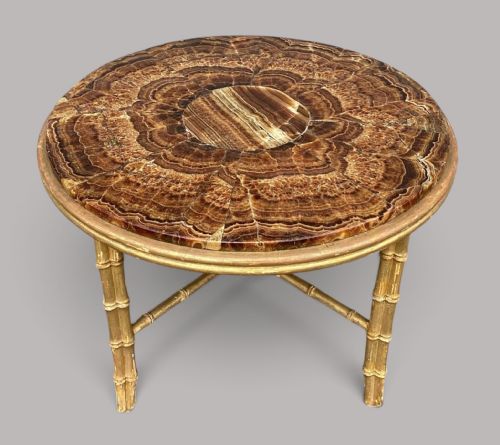
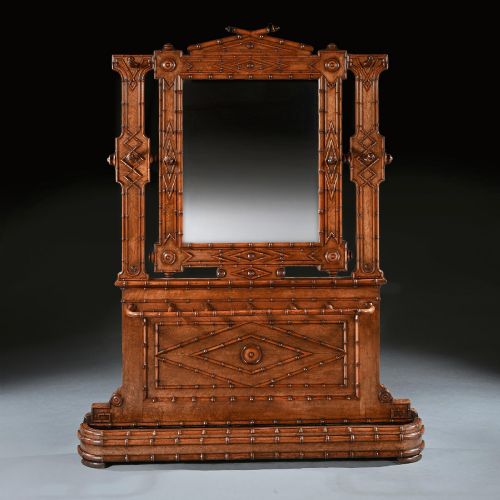
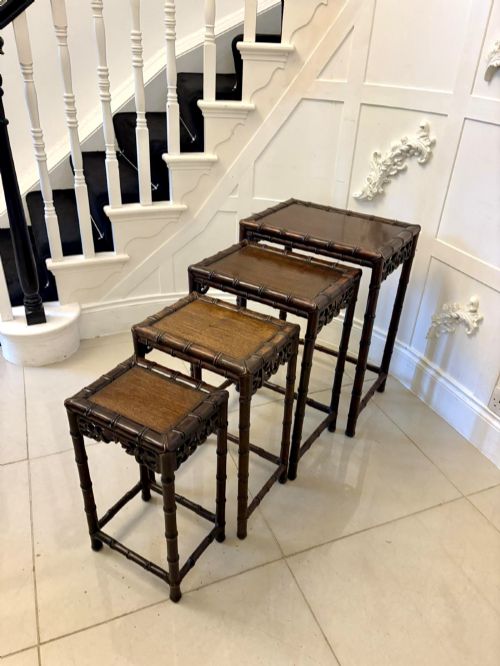
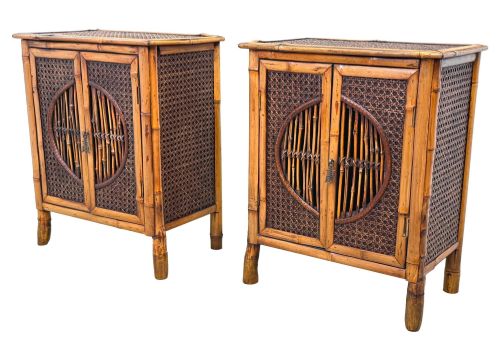
The most common forms on this page include occasional tables, nests of tables, canterburys, bedside cabinets and hall stands. These pieces often align with the Victorian era, the Aesthetic Movement and the Regency period.
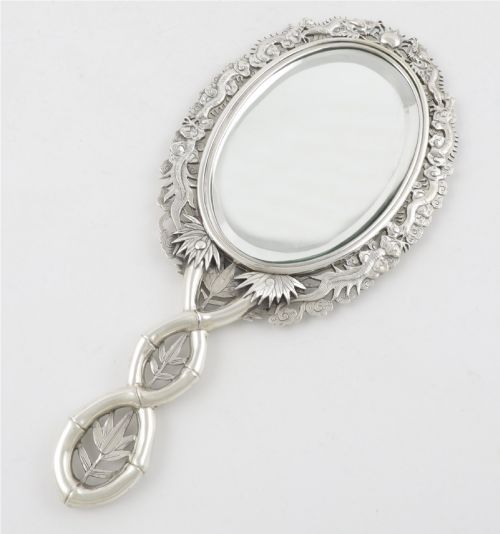
Origins stretch between English workshop productions, French design styles and Chinese export items. Many items demonstrate an integration of Eastern motifs with Western domestic furniture forms.
How they were made
Actual cane construction relies on bending and joining natural bamboo stalks, frequently reinforced internally or pegged at the joints to provide stability. Lacquer, paint and natural varnish finishes protect the surface and enhance the grain.
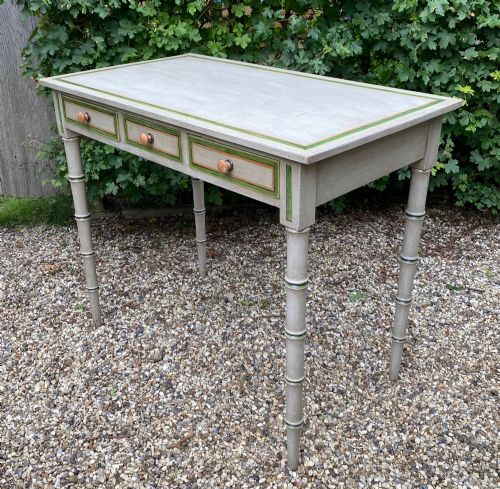
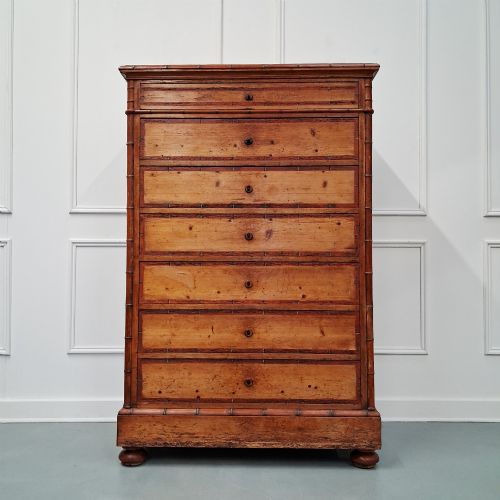
Simulated or faux bamboo pieces use hardwoods such as pine, maple, rosewood or satinwood, meticulously carved, turned or painted to replicate the segmented nodes of natural cane. Painters applied original ochre pigments, giltwood accents or floral decorations directly onto the timber substrates.
Associated materials like marble inserts, brass hardware, glass panels and antique velvet upholstery appear across tables, washstands and side cabinets to add functional weight and tactile contrast.
19th Century Bamboo Retail Price Guide 2026
Typical asking prices for 19th century bamboo among the pieces listed under this phrase on Sellingantiques today, from the lower quarter to the upper quarter. They describe what is for sale here now, not the wider market.
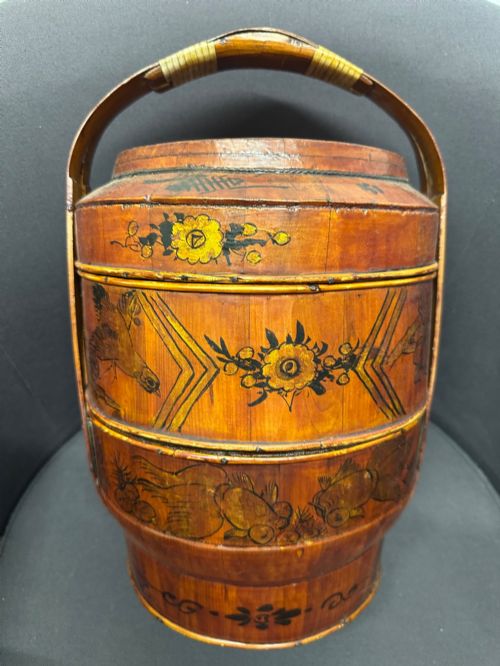
A tiny wedding food picnic basket reveals that even 19th-century newlyweds required portable provisions.
What varies in quality
The sophistication of the turning on simulated bamboo timber sets finer examples apart from simpler work, where the carved nodes lack anatomical definition. Original surface treatments, such as untouched ochre paint or preserved lacquer, elevate a piece above later refinished versions.
Structural integrity depends on the rigidity of the cane joints and the condition of the internal framing, which determines whether a nest of tables or a tall etagere remains firm under daily use. Artisanal execution in carved details, such as those found on Chinese tea caddies or miniature cupboards, distinguishes high-end craftsmanship from standard utility items.
The 19th Century Bamboo Glossary
- Faux bamboo
- Simulated cane forms carved or turned from solid timbers like pine, maple or satinwood. This technique allowed cabinetmakers to achieve an exotic aesthetic using familiar domestic woods.
- Canterbury
- A low compartmentalised stand designed for holding sheet music, magazines or folios. These items often feature bamboo frames or turned simulated cane dividers.
- Etagere
- An open tiered piece of furniture used for displaying ornaments or small objects. They frequently appear in bamboo or Chinoiserie styles during the 19th century.
- Japonisme
- The influence of Japanese art and design on Western decorative arts during the late 19th century. This style appears strongly in Aesthetic Movement bamboo hall stands and side tables.
- Quartetto
- A matched nest of four occasional tables designed to slide neatly beneath one another. They were popular in Regency and later 19th century interiors for versatile entertaining.
19th Century Bamboo: Frequently Asked Questions
How do I care for bamboo furniture?
Keep natural and faux bamboo pieces away from direct heat sources and excessive moisture to prevent the cane from splitting or the wooden joints from loosening.
Dust regularly with a dry cloth and avoid harsh chemical polishes that can damage original painted surfaces or delicate lacquered finishes.
Were these pieces made in Europe or Asia?
The pieces originate from both regions, reflecting a strong Victorian and Regency fascination with Eastern aesthetics alongside domestic production.
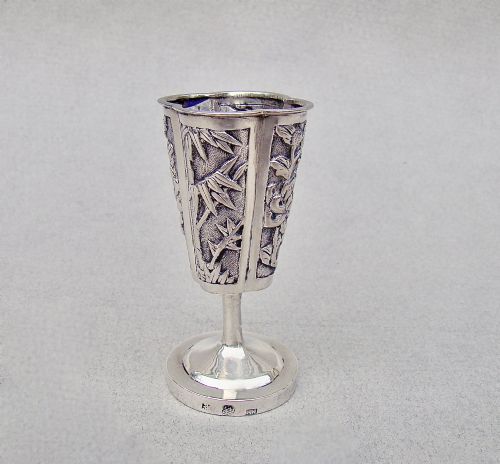
English and French makers produced substantial quantities of faux bamboo and natural cane furniture, while Chinese workshops exported items like tea caddies, rice carriers and carved tables directly to Western buyers.
What is the difference between real and faux bamboo?
Real bamboo consists of hollow, segmented natural cane stalks joined together to form lightweight frames for small tables, stands and magazine racks.
Faux bamboo is carved or turned from solid woods like pine or maple, offering greater structural weight and durability while imitating the distinctive nodes of natural cane.
How do I identify an Aesthetic Movement piece?
Aesthetic Movement pieces often combine bamboo or simulated bamboo frames with clean structural lines, dark lacquered finishes, and influences from Japanese design.
Items such as small hall stands, occasional tables and canterburys from this period emphasise visual balance and decorative simplicity over heavy Victorian ornamentation.