




19th Century Art Collection
These pieces gathered under the phrase 19th century art collection bring together framed prints, miniature portraits, and curated groupings that define a period of avid collecting.
19th Century Art Collection
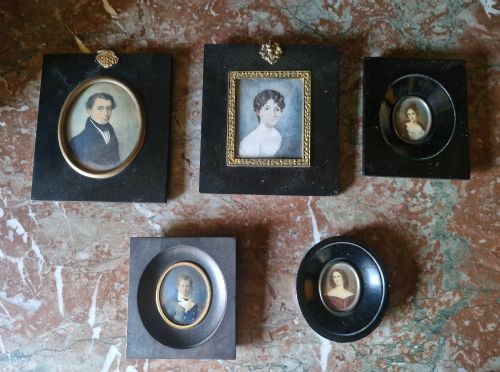
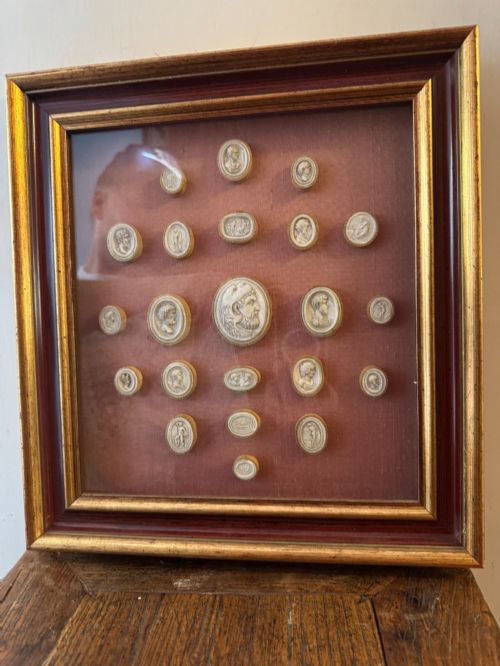
A 19th century art collection typically comprises grouped groupings such as framed classical cameo intaglios, botanical specimens, and theatrical prints gathered during the Regency and Victorian eras. Buyers encounter assembled sets of miniature portraits, carved Black Forest bears, and cranberry glass items that reflect nineteenth-century taste.
The objects span varied domestic and cabinet items, from Scottish Bannock turners and Durham knitting sheaths to cast brass oil lamps and Native American artefacts. Grand Tour souvenirs form a distinct strand, presenting plaster gypsum intaglios and shell or stone carvings mounted for display.
Materials and methods of the period
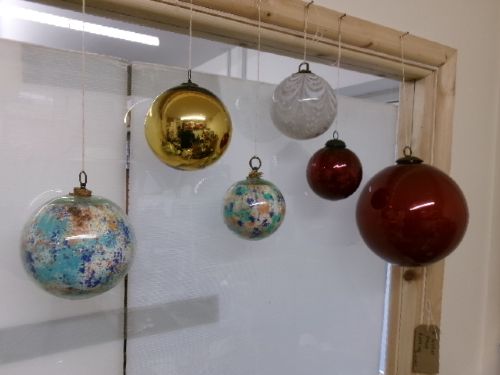
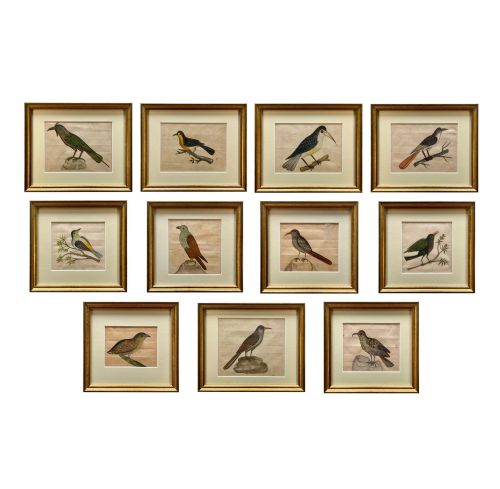
Makers utilised paper, wood, glass, and bone alongside gilt wood framing and velvet backing to present grouped items. Print collections involve hand tinting on paper, while glass items showcase blown cranberry-coloured vessels and delicate witches balls.
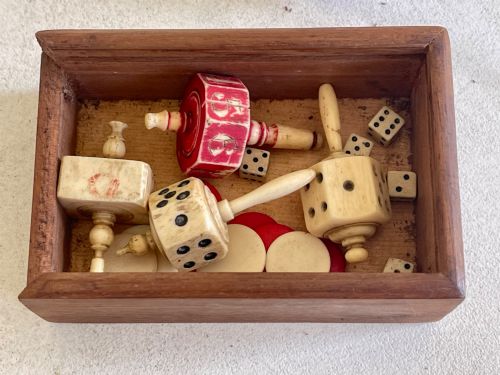
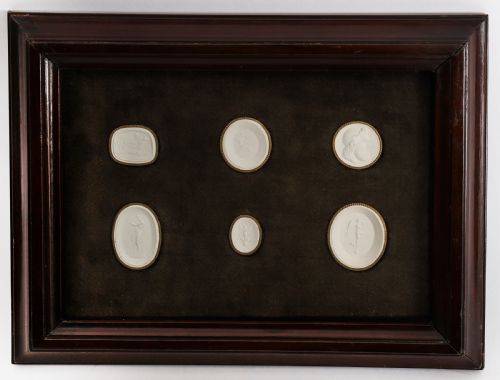
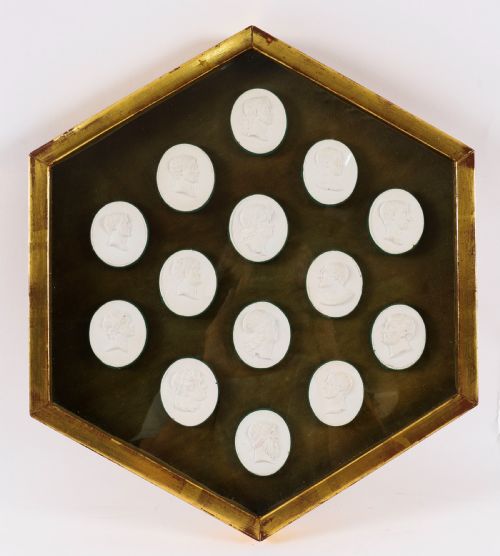
Carved elements range from miniature black forest wooden bears to intricate bone prisoner of war teetotums. Plaster and gypsum serve for classical intaglio panels, often mounted within dedicated wooden or fabric-lined frames.
19th Century Art Collection Retail Price Guide 2026
Typical asking prices for 19th century art collection among the pieces listed under this phrase on Sellingantiques today, from the lower quarter to the upper quarter. They describe what is for sale here now, not the wider market.
The documented styles span Neoclassical, Regency, Victorian, Grand Tour, Italian folk art, and Scottish vernacular traditions.
Judging the standard of these collections
Quality rests upon the uniformity and preservation of the individual pieces forming the group, rather than the scale of the set alone. Sets containing signed works, such as Giovanni Liberotti intaglios, or attributed paintings demonstrate higher tier craftsmanship.
The mounting and framing integrity dictates the overall success of a displayed collection. Intaglios set neatly into period gilt frames with intact velvet or fabric backgrounds command greater visual authority than mismatched assemblies.
Giovanni Liberotti·August Heinrich Riedell
The 19th Century Art Collection Glossary
- Grand Tour
- A traditional trip through Europe undertaken by upper-class young men of the 18th and 19th centuries to absorb cultural history. This travel led to the accumulation of classical intaglios, bronzes, and miniature art.
- Intaglio
- A gem or gemstone carved in intaglio has a design incised into the flat or convex surface so that a impression in wax yields a relief. Gypsum and plaster versions served as affordable travel souvenirs.
- Cranberry glass
- A type of red-pink glass created by adding gold chloride to the molten metal during the 19th century. It became particularly popular during the Victorian period for decorative tableware and display sets.
- Teetotum
- A small spinning top used for gambling games or children's pastimes, often carved from bone by prisoners of war during the Napoleonic conflicts. They form tactile elements in nineteenth-century collections.
- Bannock turner
- A traditional Scottish wooden kitchen implement used for turning flatbreads on a griddle. These vernacular wooden objects are collected for their regional folk art character.
19th Century Art Collection: Frequently Asked Questions
What is a Grand Tour intaglio collection?
These are sets of small carved classical reliefs collected in Italy during nineteenth-century travels.
They are usually mounted together in dedicated frames for wall display.
How do I care for framed paper prints?
Keep them away from direct sunlight to prevent the hand tinting from fading over time.
Ensure the framing remains sealed against moisture and dust accumulation.
What are Victorian witches balls used for?
These coloured glass spheres were traditionally hung in windows to ward off evil spirits.
Today they are collected and displayed in groups for their reflective qualities.
How are cranberry glass items cleaned?
Wash them gently in warm soapy water using a soft cloth to avoid scratching the surface.
Dry them immediately with a lint-free towel to prevent water spots.