




19th Century Art Bronze
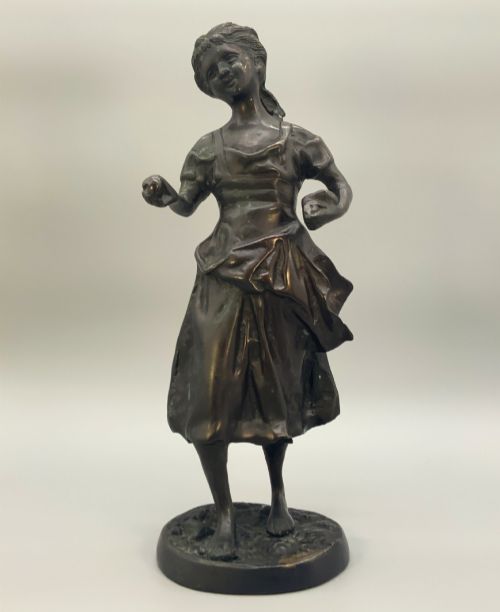
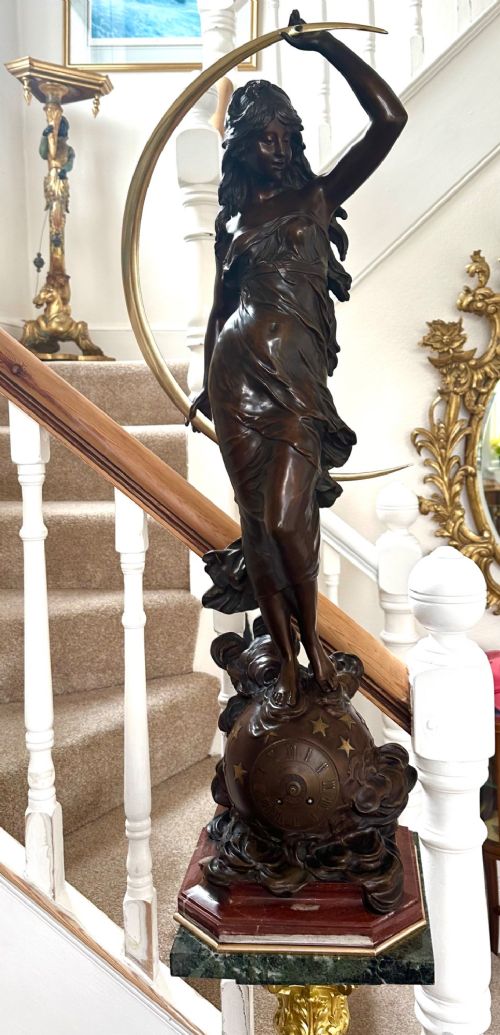
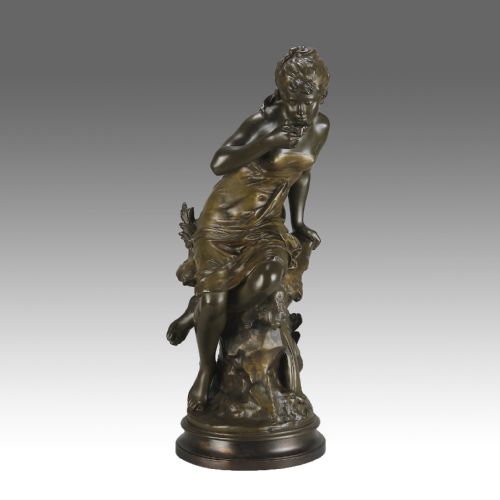
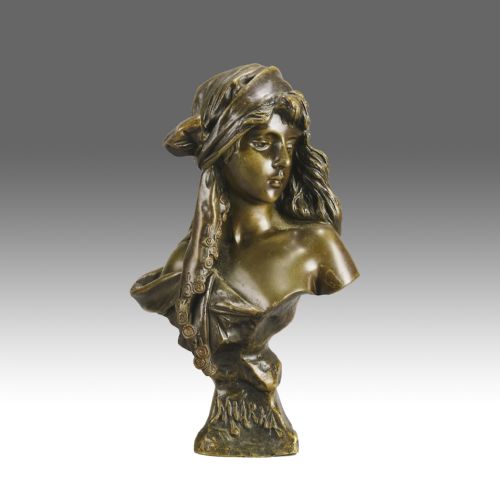
When you explore 19th century art bronze pieces, you encounter finely cast figures and busts shaped by European and international foundries.
19th Century Art Bronze
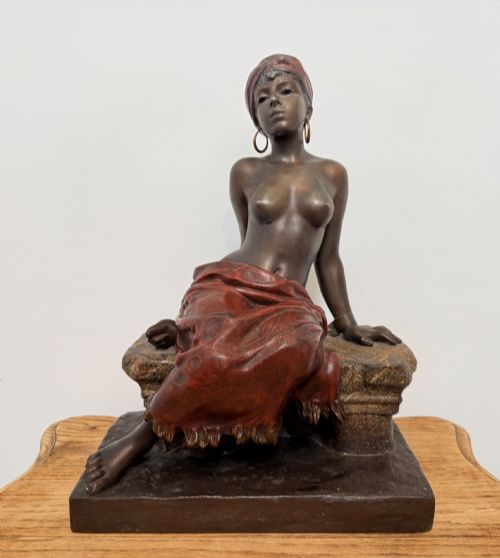
Collectors seeking a 19th century art bronze encounter a diverse range of figurative sculptures, busts, and decorative objects. The offerings on this page lean heavily toward French foundry work, Italian casts, and classical or Orientalist subjects produced across the Victorian and Art Nouveau periods.
Beyond standalone figures of mythological or historical subjects, the selection includes portrait busts, oil lamps, and animalier studies. Makers utilised various scales, from cabinet-sized table ornaments to large gallery statues.
The aesthetic shifts from strict neoclassical realism in the earlier decades to flowing, organic lines as the Art Nouveau movement gains momentum toward the end of the century. Pieces often bear signatures or foundry cachets on the base, documenting their commercial origin.
How they were made
After cooling, artisans applied patination through chemical treatments and heat to achieve surface colours ranging from deep black and warm brown to golden gilt finishes. Mounts of marble, wood, or brass often provided stable bases for the heavier metal sculptures.
An articulated metal cricket brings a charming touch of Meiji period entomology to the desk.
What varies in quality
The sharpness of the cast distinguishes superior examples from weaker secondary editions, as worn moulds lose the crisp detail seen in the sculptor's original work. Finer pieces retain clean lines in hair, hands, and garments without requiring excessive hand-chiselling after casting.
Surface finish and patination depth dictate the visual impact of the bronze, with master patineurs creating subtle tonal gradations rather than flat, uniform coatings. The quality of the supporting base, whether sculpted marble or polished hardwood, matches the ambition of the main metal figure.
Moreau Family·Emmanuel Villanis·Jules Dalou·Arthur Waagen·Edouard Drouot
The 19th Century Art Bronze Glossary
- Patinated bronze
- Bronze that has been treated with chemical solutions to alter its surface colour and texture. This layer protects the metal while creating deep brown, green, or black visual tones.
- Lost-wax casting
- A historic manufacturing method where a wax model is encased in a mould, melted out, and replaced with molten bronze. This technique allows for exceptional undercutting and fine detail.
- Foundry mark
- A stamp, punch, or signature cast into the metal indicating the workshop that produced the edition. These marks help historians trace the commercial trajectory of a sculpture.
- Orientalism
- An artistic style prevalent in the period depicting themes, figures, and architecture from the Middle East and North Africa. Sculptors rendered merchants, dancers, and desert scenes with descriptive realism.
- Animalier
- A genre specialising in the realistic depiction of animals, often captured in motion or repose. Sculptors observed dogs, big cats, and horses closely to render accurate musculature.
19th Century Art Bronze: Frequently Asked Questions
Were these figures made in editions?
Many popular subjects were cast in multiple numbered or unnumbered editions by commercial foundries to meet middle-class Victorian demand. Popular models by established sculptors were reproduced over decades.
Foundries often purchased rights from artists to cast ongoing runs, leading to subtle variations in size and base design across different production years.
How can I identify the foundry?
Inspect the integral base, plinth, or lower edge of the bronze for stamped foundry seals, engraved monograms, or publisher signatures. Foundries like Barbedienne utilised distinct stamps to mark their output.
Catalogues raisonnés and period foundry ledgers help match specific punch marks and cachets to active workshop dates.
What is the difference between cold-painted and patinated bronze?
Patinated bronze relies on chemical reactions with the metal surface to produce stable metallic tones like brown, green, or black. The colour is integral to the treated skin of the bronze.
Cold-painted bronze involves applying non-fired oil or enamel paints directly onto the finished metal surface after casting. These painted finishes are more susceptible to flaking and wear over time.