





19th Century Apothecary Box
A 19th century apothecary box is a fitted wooden chest that holds medical bottles and scales, prized for its clever internal compartments and survival of original glass.
19th Century Apothecary Box
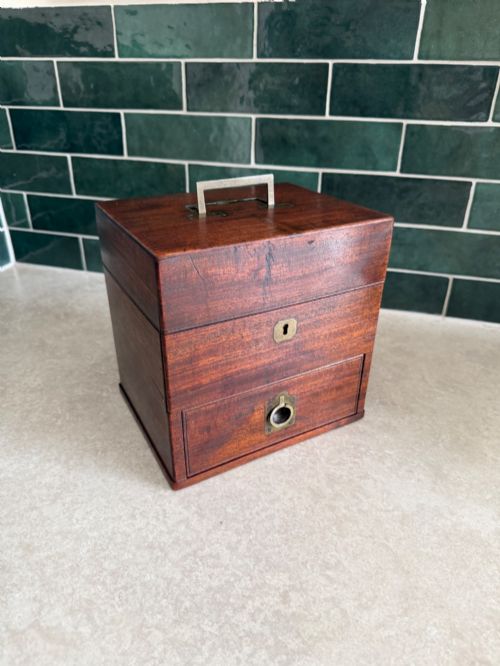
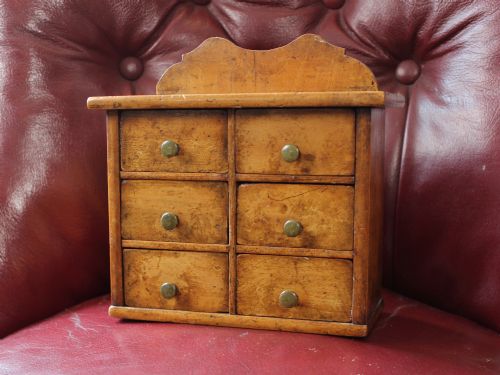
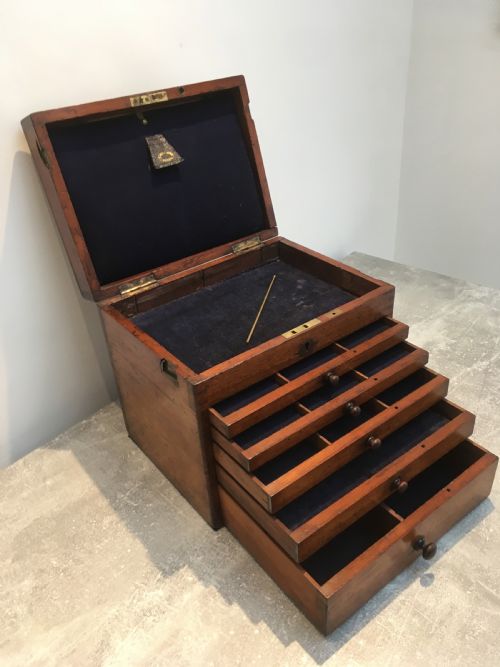
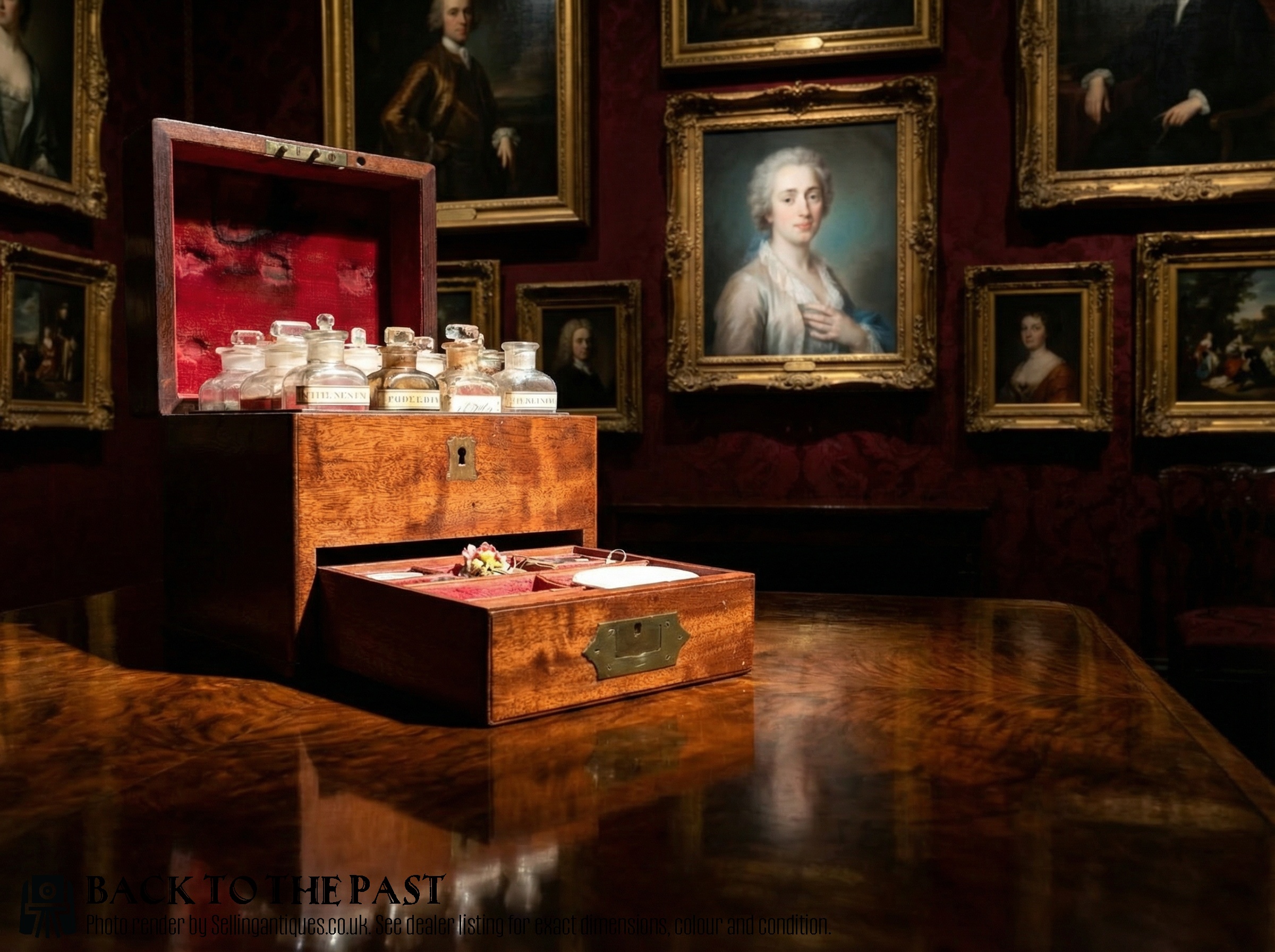
A 19th century apothecary box typically takes the form of a compact mahogany, rosewood or pine chest designed for domestic, military or travelling use by physicians and households. These pieces range from simple tabletop spice cabinets and wall-hanging boxes to fully fitted travelling cases equipped with secret drawers and original glass bottles.
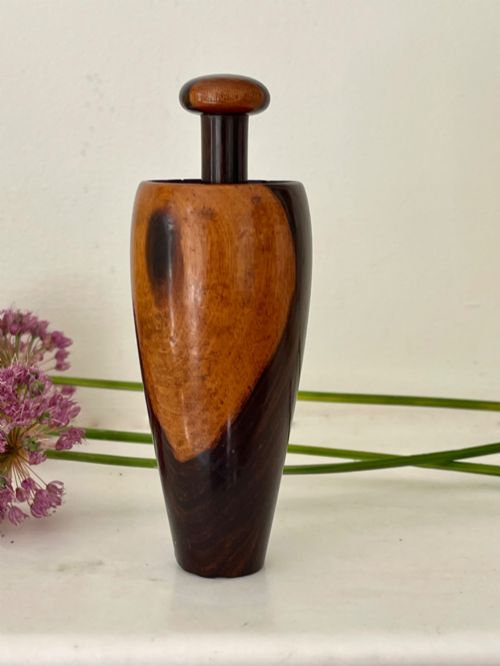
The versions most commonly met on this page date from the Regency and Victorian periods, often constructed from dense hardwoods with brass carrying handles and escutcheons. Alongside standard apothecary boxes, related items appear including treen snuff mortars, chemist jars, dentist instrument cases and veterinary cabinets.
How they were made
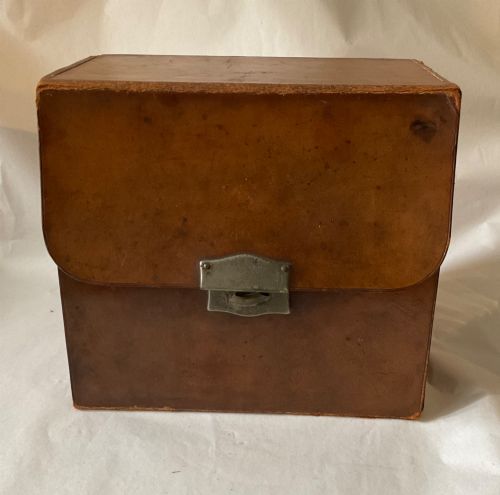
Cabinetmakers constructed these boxes primarily using solid mahogany, pine, rosewood and fruitwood, frequently finished with polished wood surfaces or leather casings. Interiors were meticulously engineered with fitted wooden partitions, velvet linings and sliding secret drawers to secure delicate glass medicine bottles and scales.
Fittings incorporated brass for hinges, locks, carrying handles and corner brackets to withstand the rigours of travel. Smaller containers and measures were turned from boxwood, while glass apothecary bottles were mouth-blown and ground to fit precisely into their designated slots.
19th Century Apothecary Box Retail Price Guide 2026
Typical asking prices for 19th century apothecary box among the pieces listed under this phrase on Sellingantiques today, from the lower quarter to the upper quarter. They describe what is for sale here now, not the wider market.
Several boxes include secret sliding drawers hidden beneath the main shelf to prevent unauthorized access to potent draughts.
What varies in quality
The distinction between standard examples and finer pieces lies in the completeness of the original internal contents and the sophistication of the cabinetry. Boxes that retain their full complement of labeled glass bottles, scales, measures and untouched brass hardware demonstrate superior original retention.
Tonnel Paris
The 19th Century Apothecary Box Glossary
- Apothecary box
- A fitted wooden chest designed to hold medicines, bottles, scales and pestles for medical dispensing. These boxes feature internal partitions tailored to keep fragile glass containers secure during transport.
- Treen
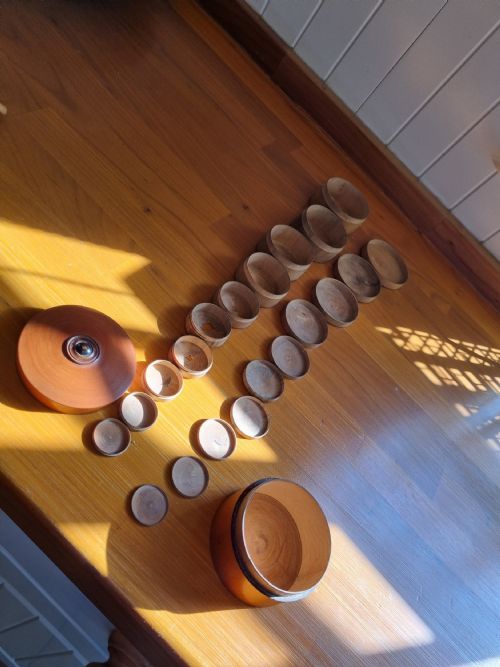
- Small handmade wooden household objects and containers produced by turning or carving. In medical contexts, this includes boxwood measures and mortar sets.
- Escutcheon
- A flat plate surrounding a keyhole, typically cast in brass on these boxes to protect the surrounding wood from wear. They often double as part of the locking mechanism.
- Spice cabinet
- A small wooden wall-hanging or tabletop chest with multiple drawers, sharing similar construction methods and domestic origins with medical storage boxes.
19th Century Apothecary Box: Frequently Asked Questions
What is inside a 19th century apothecary box?
These boxes typically contain a collection of fitted glass medicine bottles, small scales, weights and ceramic mortars. Many retain internal compartments with sliding lids and secret drawers beneath the main floor.
Finer examples preserve their original glass stoppers and measuring equipment, providing a complete snapshot of nineteenth-century medical dispensing practice.
How do I tell a Regency box from a Victorian one?
Regency apothecary boxes from the early nineteenth century frequently showcase clean architectural lines in dense mahogany with flush brass ring handles. Victorian examples often incorporate heavier brass corner brackets and more elaborate internal layouts.
Examining the construction of the dovetail joints and the style of the brass hardware helps distinguish the earlier Regency period pieces from later Victorian production.
Were these boxes used by doctors or households?
Both physicians and affluent families kept these chests for medical needs at home or while travelling. Military officers also carried specialised portable versions on campaign.
Domestic versions often doubled as spice cabinets or general storage once their medical contents were depleted or replaced.
How should I care for the wood and velvet?
Keep the wood conditioned with appropriate furniture wax and avoid placing the box in direct sunlight or damp environments. Velvet linings should be gently brushed with a soft dry cloth to remove dust.
Protecting the original brass fittings from moisture prevents tarnishing and preserves the historical surface integrity.