


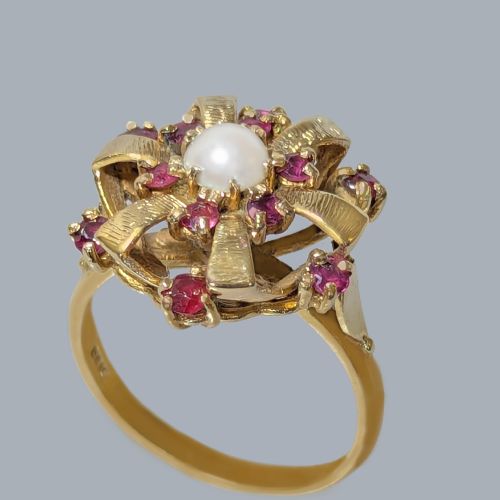
1960s Yellow Gold Jewellery
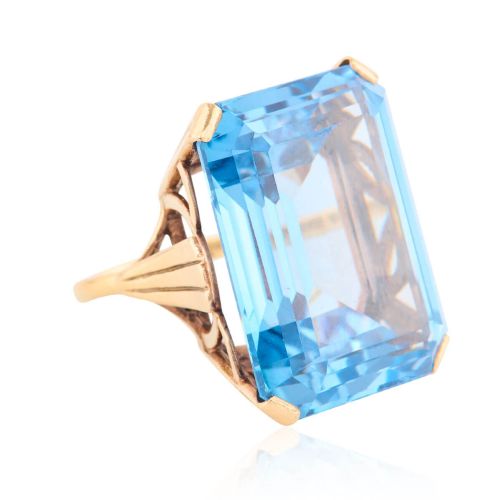
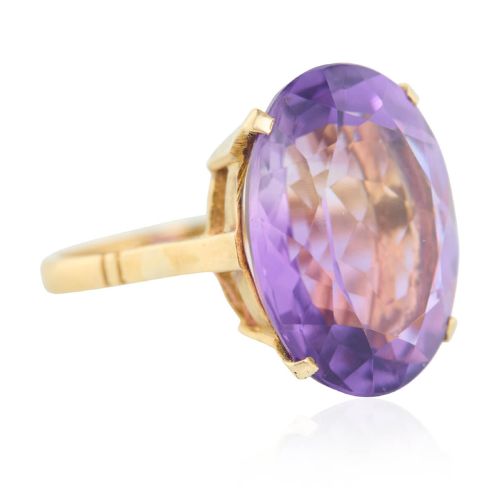
1960s yellow gold jewellery captures the bold, sculptural spirit of mid-century design through warm metalwork set with vibrant gemstones.
1960s Yellow Gold Jewellery
Most pieces date directly from the 1960s, bearing British hallmarks from assay offices in London, Birmingham, and Sheffield, alongside mid-century international works. Stylistic influences range from mainstream mid-century modernism and Victorian revivalism to distinct modernist abstraction.
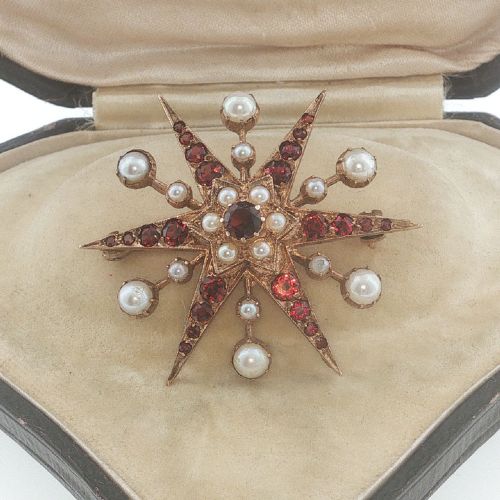
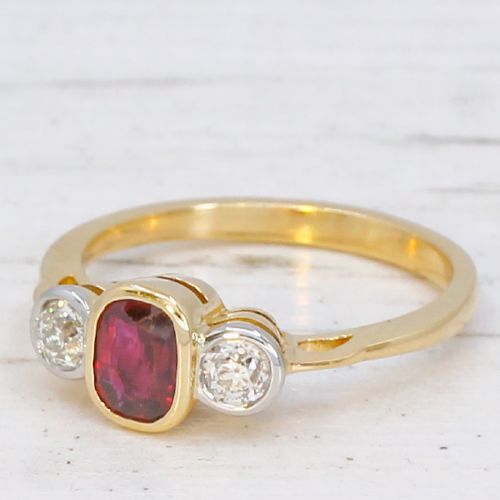
Yellow gold serves as the primary medium, frequently shaped into substantial weights and paired with diamonds, sapphires, rubies, emeralds, turquoise, garnets, pearls, and coral. Pieces frequently originate from established British and continental European makers who defined the period aesthetic.
Materials and construction techniques
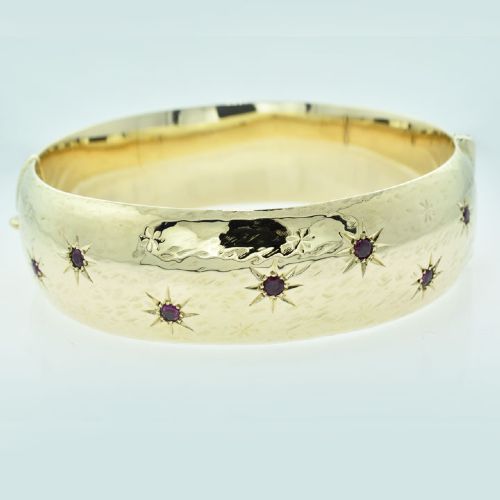
The construction relies heavily on 9ct and 18ct yellow gold, fashioned into substantial settings, cast abstract frameworks, and textured wirework. Goldsmiths employed casting, hand fabrication, and intricate open-work scrolling to create dimensional forms that highlighted the warmth of the metal.
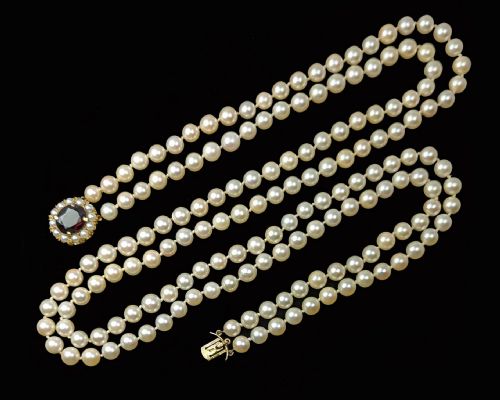
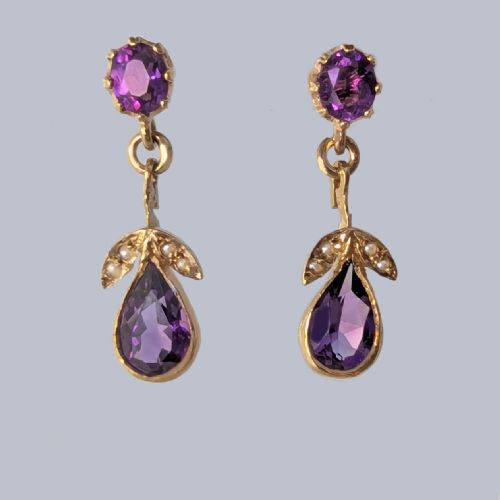
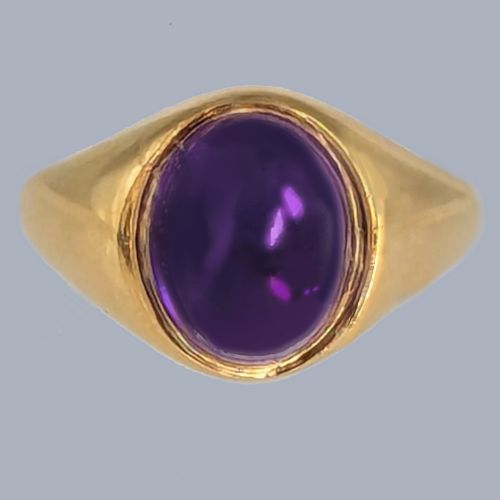
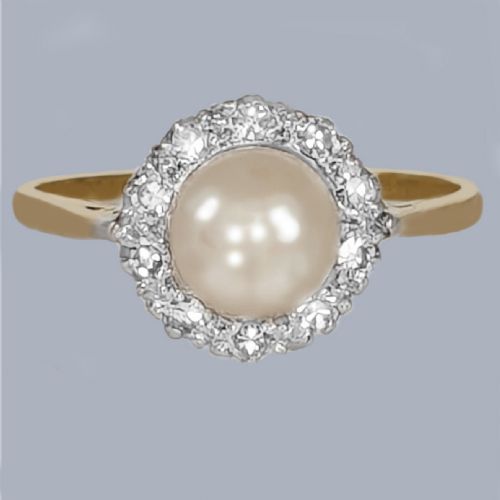
Gemstones including diamonds, cabochon amethysts, mabe pearls, and vivid emeralds were integrated using claw, bezel, and cluster settings. Many items incorporate secondary materials like platinum or feature specialised omega backs on earrings and fitted clasps on multi-strand pearl necklaces.
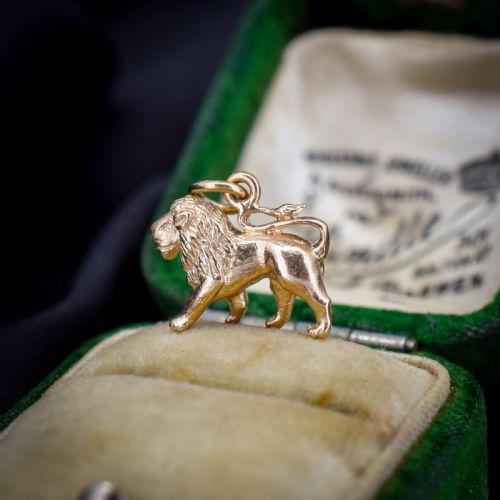
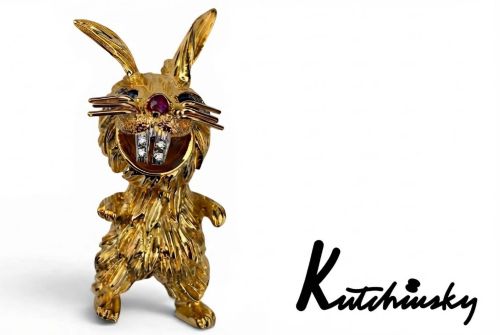
A golden menagerie awaits discovery, where fierce lions and playful poodles are permanently frozen in mid-century charm form.
Distinguishing features of quality
Quality in these pieces is dictated by the substance of the gold weight, the structural integrity of the casting, and the individuality of the design. Substantial gram weights in rings and heavy gauge gold wirework separate finer examples from lighter production.
The caliber of the gemstones, from matched natural sapphires and Zambian emeralds to fine cultured pearls and brilliant cut diamonds, elevates a piece. Furthermore, clear official hallmarking and attribution to noted mid-century designers mark the upper tier of the range.
Kutchinsky·Ben Rosenfeld·Andrew Grima·Charles de Temple
The 1960s Yellow Gold Jewellery Glossary
- Hallmark
- An official stamp applied by an assay office indicating the purity of the precious metal and the year of testing. British examples often include city marks and maker initials.
- Cabochon
- A gemstone shaped and polished with a smooth, convex dome rather than faceted edges. This cut is frequently utilised for amethysts, turquoise, and opals.
- Mabe Pearl
- A cultured half-pearl grown against the inside shell of an oyster, resulting in a hemispherical dome. These are commonly set into mid-century earrings and rings.
- Cluster Ring
- A ring featuring a central gemstone surrounded by a cluster of smaller stones, typically diamonds or pearls. This style was widely produced in various geometric arrangements.
- Modernist
- A design movement breaking away from traditional ornamentation in favor of abstract forms, asymmetry, and textured surfaces. It heavily influenced 1960s goldsmithing.
1960s Yellow Gold Jewellery: Frequently Asked Questions
What defines 1960s yellow gold jewellery?
These pieces are characterised by their warm 9ct or 18ct yellow gold metalwork, substantial construction, and distinct mid-century styling. They encompass a wide variety of forms including cocktail rings, animal charms, and textured brooches.
Design motifs from this decade lean towards abstract modernist shapes, sculptural wirework, and cluster settings incorporating vibrant gemstones and pearls.
How can I date my piece?
Dating relies primarily on official British hallmarks stamped into the gold, which denote the assay office, gold purity, and a specific date letter corresponding to the year of testing.
Stylistic indicators such as mid-century abstract forms, textured finishes, and specific maker marks also help narrow down the period of production.
How do I care for these jewels?
Maintenance depends on the specific materials used, requiring gentle cleaning suited to gold, pearls, or softer gemstones like turquoise and coral. Avoiding harsh chemical dips preserves the integrity of organic gems and delicate settings.
Storing pieces individually prevents scratching between harder diamonds and softer stones or pearls.