



1960s Silver Bracelet
A 1960s silver bracelet brings mid-century design to the wrist, offering sculptural modernist lines and tactile appeal that collectors prize.
1960s Silver Bracelet
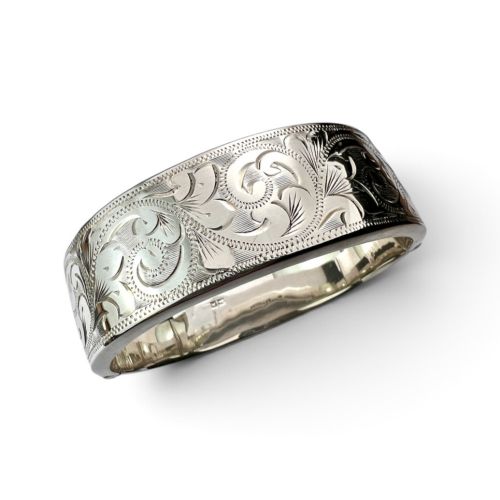
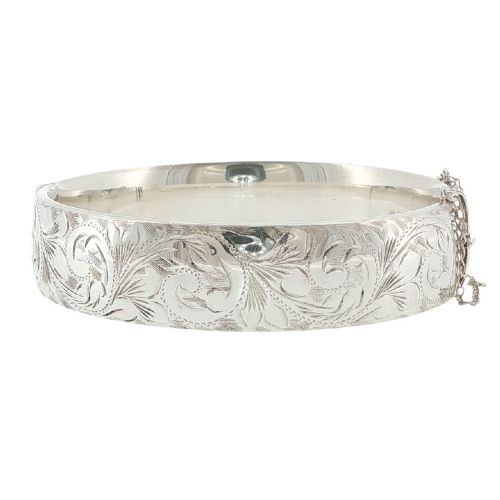
A 1960s silver bracelet encompasses hinged bangles, linked panels, and modernist designs originating primarily from British makers, Scandinavian workshops, and international silver smiths. These pieces reflect the broader mid-century shift toward geometric abstraction and organic forms in personal ornaments.
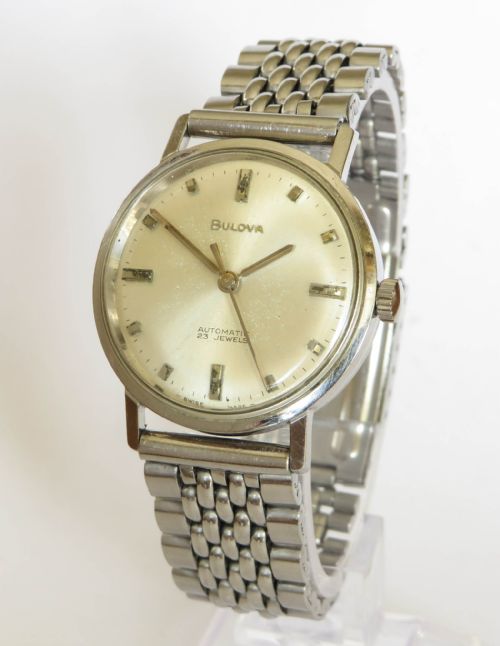
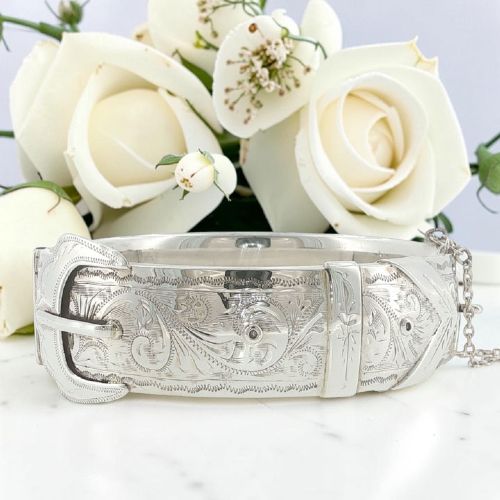
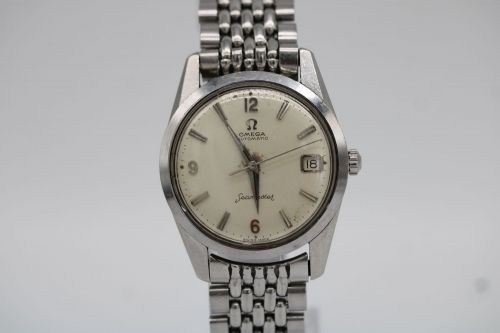
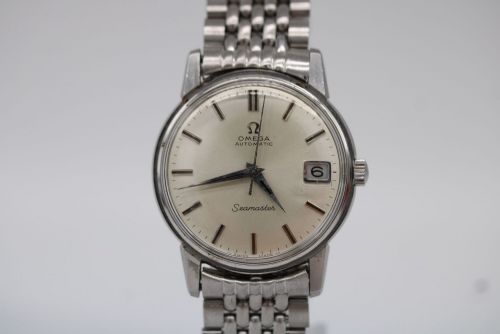
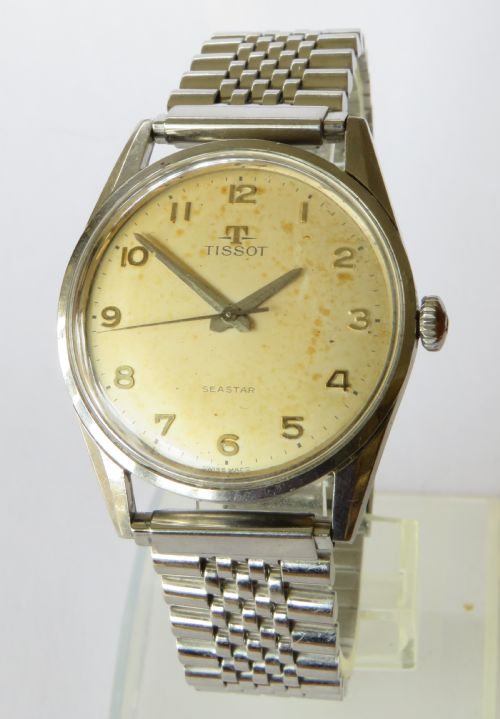
The selection ranges from engraved hinged sterling silver bangles bearing British hallmarks to Danish silver link bracelets set with enamel, onyx, or amethyst. Wristwatches, cocktail watches, and matched jewellery sets also appear alongside traditional wrist adornments in the inventory.
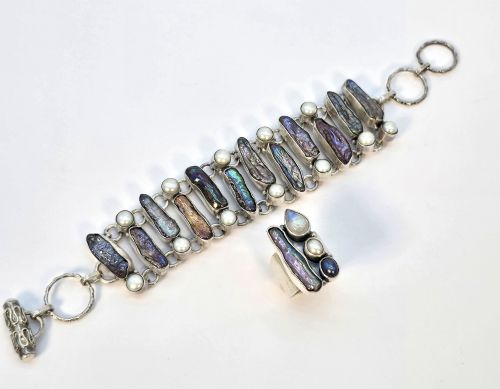
Makers from Denmark feature prominently in the record, alongside pieces from Japan incorporating Biwa pearls and domestic British productions featuring hand engraving or buckle motifs. Buyers find both bold sculptural statements and delicate articulated panel work representing the decade.
Materials and construction
Sterling silver forms the primary structural medium, shaped into heavy solid bangles, articulated links, and bezels designed to hold gemstones or enamel panels. Workshops employed traditional casting, hand engraving, and sheet fabrication techniques to achieve the characteristic mid-century finishes.
Stones such as onyx, amethyst, and cultured pearls are integrated into silver settings, whilst enamel work introduces vibrant colour to panel bracelets. Mechanics also appear in the material record through steel watch casings and precious metal cocktail timepieces set with diamonds.
Some designers looked to liquid movement for inspiration, naming delicate silver creations after water beads.
Judging execution and finish
The standard of a piece rests on the crispness of hand engraving, the structural integrity of hinges and box clasps, and the precision of stone or enamel setting. Master silversmiths achieved clean, balanced proportions that elevate simple geometric forms into significant design objects.
Attribution to documented Scandinavian or British makers and clear town hallmarks add distinction to individual items. The integration of components, such as matched rings or secure pin mechanisms, demonstrates the level of care invested in the original workshop.
Georg Jensen·N E From·Arne Johansen·Jorgen Jensen·Niels Erik From·Volmer Bahner·Hermann Siersbol·Kurt Nielsen·Walker And Hall·Bulova·Omega·Tissot·Vertex
The 1960s Silver Bracelet Glossary
- Sterling silver
- An alloy comprising ninety-two point five percent silver and seven point five percent other metals, typically copper, used to ensure durability in jewellery. This standard metal forms the foundation of most bangles and link bracelets from the period.
- Bangle
- A rigid circular or oval bracelet that slips over the hand or opens via a hinged mechanism with a safety chain. These solid or engraved silver bands are characteristic items of wrist wear.
- Biwa pearl
- A freshwater cultured pearl originating from Lake Biwa in Japan, known for its elongated, irregular shape. These pearls appear alongside silver elements in specific imported designs.
- Hallmark
- An official stamp applied to precious metals indicating the standard of purity, the assay office, and the date of testing. British pieces frequently display these marks to confirm origin and silver content.
- Enamel
- A glassy substance fused to the surface of metal through firing to provide decorative colour. Enamelled silver panels are a notable feature of Scandinavian modernist design from the decade.
1960s Silver Bracelet: Frequently Asked Questions
How do I identify a 1960s piece?
Look for hallmarks indicating mid-century assay years, characteristic modernist or organic Scandinavian styles, and maker marks associated with the period.
Material choices like sterling silver combined with enamel or specific stones also point directly to mid-century workshop production.
Are these bracelets adjustable?
Rigid hinged bangles and solid cuffs generally come in fixed diameters and do not adjust in size.
Linked panel bracelets offer more flexibility, as links can sometimes be removed by a silversmith to alter the fit.
How should I care for silver jewellery?
Store silver pieces in dry conditions away from direct sunlight and moisture to minimise natural tarnishing over time.
Clean gently with a soft microfibre cloth designed for precious metals, avoiding abrasive substances that might damage stones or engraving.
Did Jensen make these in Denmark?
The Georg Jensen workshop produced numerous silver bracelets in Denmark during the mid-century era, alongside pieces by independent Danish silversmiths.
These Scandinavian designs often emphasise clean minimalist lines or stylised natural motifs.