

1960s Gold Jewelry
1960s gold jewellery delivers mid-century modernist character, sculptural textures, and substantial gemstone clusters that bring distinct personality to everyday wear.
1960s Gold Jewelry
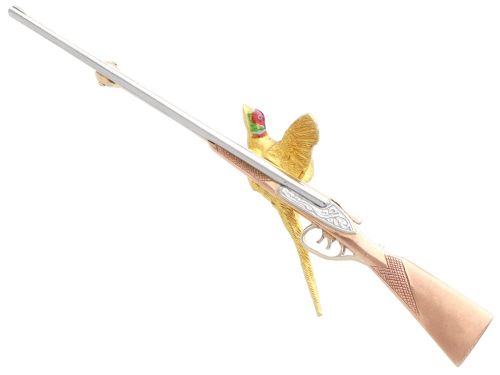
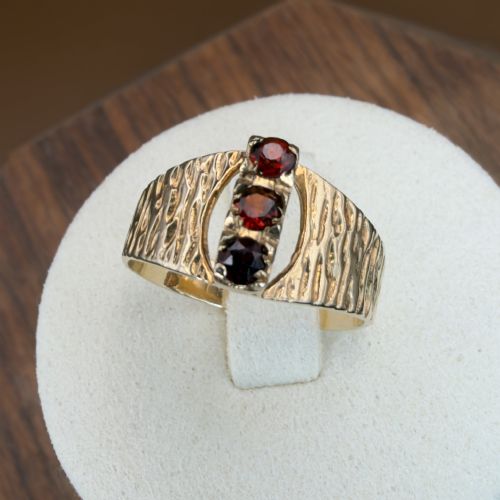
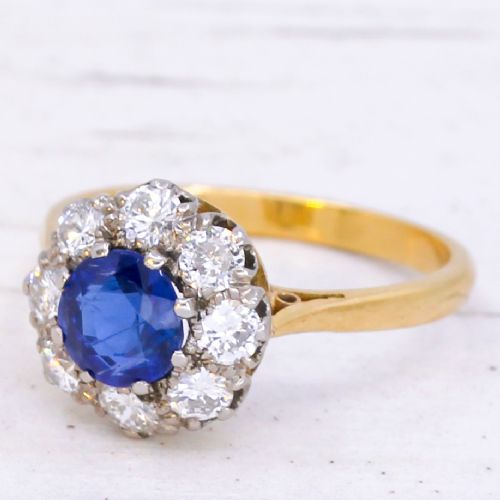
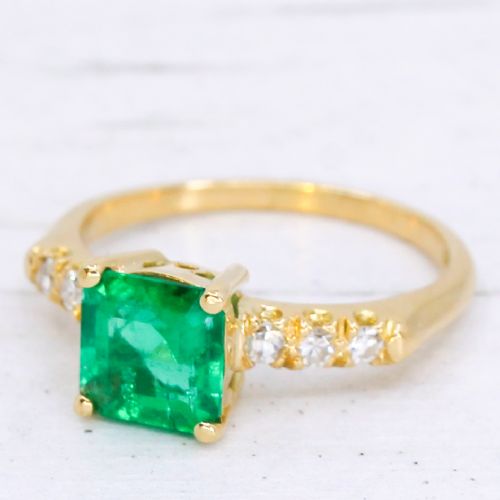
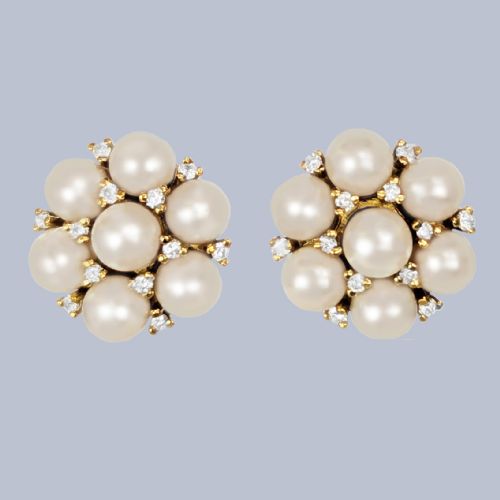
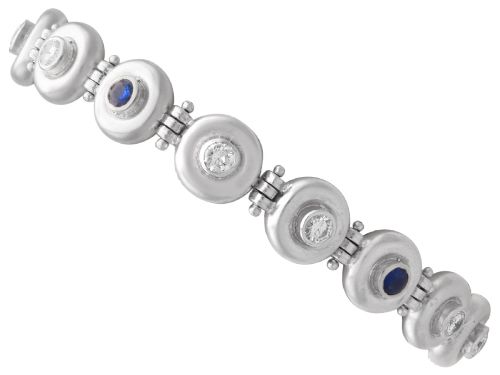
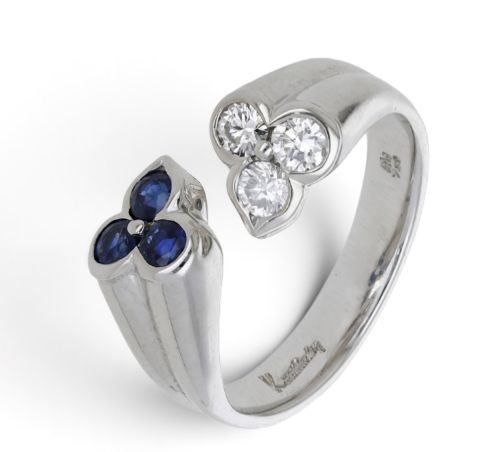
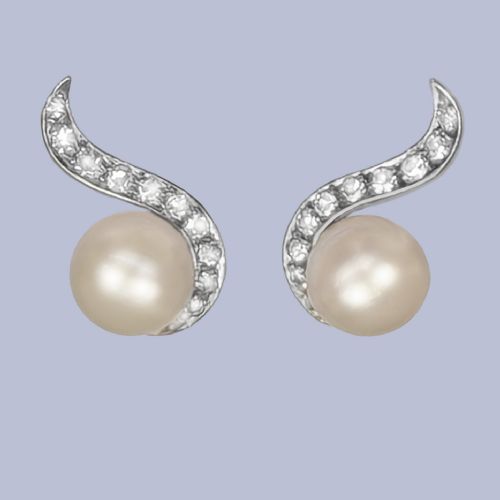
When browsing 1960s gold jewellery, you encounter an array of rings, necklaces, earrings, bracelets, and brooches that embody mid-century design principles. The pieces range from clean geometric statement bands to ornate cluster rings set with diamonds, sapphires, emeralds, rubies, and garnets.
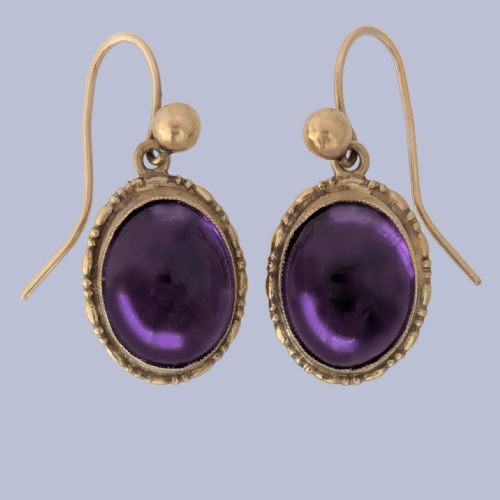
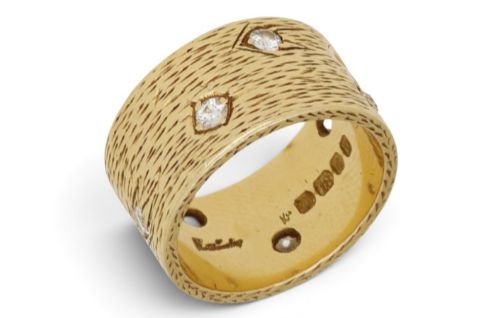
You are most likely to meet 9ct and 18ct yellow and white gold pieces bearing hallmarks from London, Birmingham, and Sheffield alongside unhallmarked continental imports. Mid-century modernist and Victorian revival styles dominate, often incorporating cultured pearls, amethysts, and turquoise alongside textured bark-effect metalwork.
Materials and Construction Techniques
The construction relies heavily on casting and hand-finishing 9ct and 18ct gold, platinum, and silver gilt. Goldsmiths utilised traditional techniques like stone setting and granulation alongside innovative surface treatments such as bark effects and guilloche enamel.
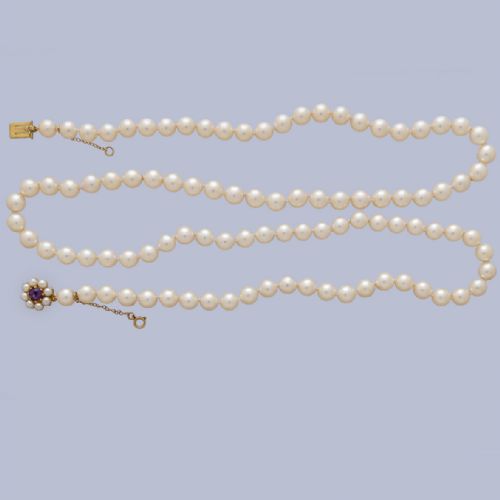
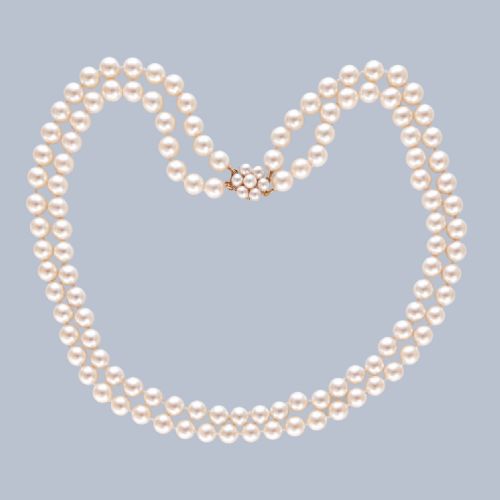
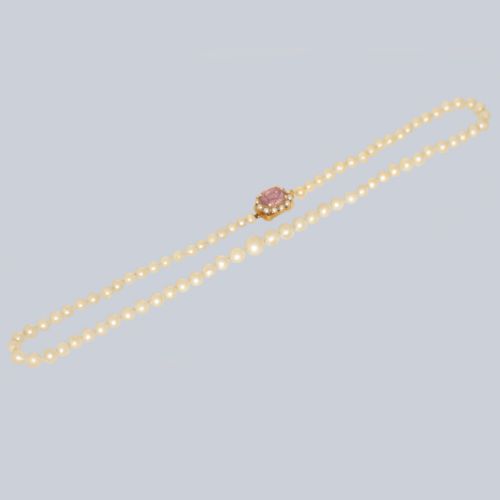
Precious and semi-precious stones including diamonds, emeralds, rubies, sapphires, garnets, opals, and cultured pearls are secured in claw, bezel, and cluster settings. Many items feature clever multi-part construction, such as detachable drops or clasps designed to double as decorative elements on pearl strands.
1960s Gold Jewelry Retail Price Guide 2026
Typical asking prices for 1960s gold jewelry among the pieces listed under this phrase on Sellingantiques today, from the lower quarter to the upper quarter. They describe what is for sale here now, not the wider market.
The listings encompass both warm 9ct and 18ct yellow gold and crisp 18ct white gold, spanning rings, necklaces, earrings, bracelets, and brooches.
Judging Quality in Mid-Century Pieces
The distinction between ordinary and exceptional pieces rests upon the boldness of the design, the weight of the gold used in the mount, and the calibre of the gemstones. Substantial metal weight and precise, crisp texturing elevate a piece far above standard mass-produced items.
Signed items from established workshops demonstrate superior artistry through meticulous stone matching and bespoke presentation cases. The integrity of the original hallmarks and the retention of crisp detail in organic or geometric motifs further separate superior examples from lesser survivals.
Kutchinsky·Ben Rosenfeld
The 1960s Gold Jewelry Glossary
- Bark effect
- A textured surface finish scored or cast into the gold to resemble tree bark, highly popular during the mid-century period. This technique added organic tactile warmth to otherwise sleek modernist designs.
- Cluster ring
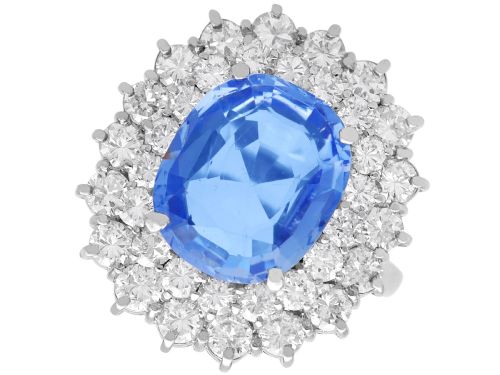
- A ring featuring a central gemstone surrounded by a border of smaller stones, typically diamonds or pearls. This arrangement maximised visual brilliance and perceived size.
- Guilloche enamel
- Decorative enamel applied over a mechanically engraved metal surface, creating repeating geometric patterns beneath translucent colour. It is frequently seen on Scandinavian silver gilt items from this era.
- Seed pearl
- Very small natural or cultured pearls, often half-drilled and glued or pegged onto gold settings in starburst or floral clusters. They contributed delicate texture to Victorian revival and mid-century pieces alike.
- Signet ring
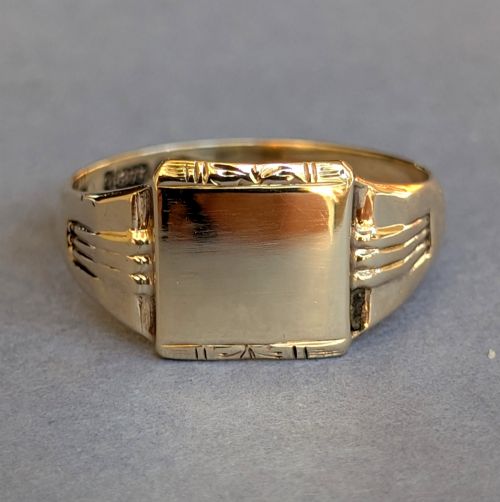
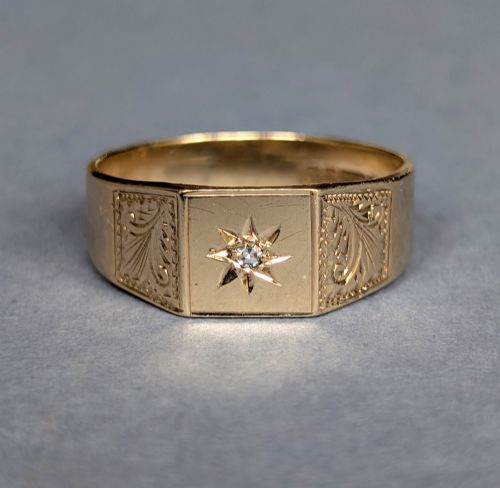
- A solid ring traditionally engraved with a crest or monogram, though mid-century examples often utilised plain stones like onyx or smooth gold faces. They were worn on the pinky or ring finger for daily utility.
1960s Gold Jewelry: Frequently Asked Questions
How can I date 1960s gold jewelry?
Dating relies primarily upon official assay office hallmarks stamped into the metal, which include specific date letters for London, Birmingham, and Sheffield. Stylistic clues such as bark-effect texturing and modernist geometric shapes also point firmly to this decade.
Assay marks often indicate the exact year of manufacture and the fineness of the gold, such as 375 for 9ct or 750 for 18ct. Comparing the piece against documented workshop designs helps narrow down the production window.
How do I care for vintage pearl necklaces?
Vintage pearl necklaces require gentle cleaning with a soft, damp cloth after wear to remove body oils and cosmetics. Many older strands benefit from professional restrung services to ensure the silk thread remains secure between each pearl.
Store pearls away from hard gemstones and metal mounts that might scratch their delicate nacre surfaces. Keeping them in fabric pouches rather than plastic containers prevents the organic material from drying out.
Are gemstones treated in mid-century rings?
Gemstones from this era occasionally feature traditional enhancements, though laboratory reports supplied with higher-value stones will detail any thermal treatments or minor oils. Unheated rubies and minor-oil emeralds appear in select high-end cluster and cocktail rings.
Natural variations in colour and inclusions are standard across sapphires and garnets from this period. Examining stones under magnification reveals characteristic internal growth patterns unique to mid-century specimens.