


1960s Gold Diamond Ring
A 1960s gold diamond ring brings mid-century character and substance to the hand through varied cluster, solitaire, and cocktail designs.
1960s Gold Diamond Ring
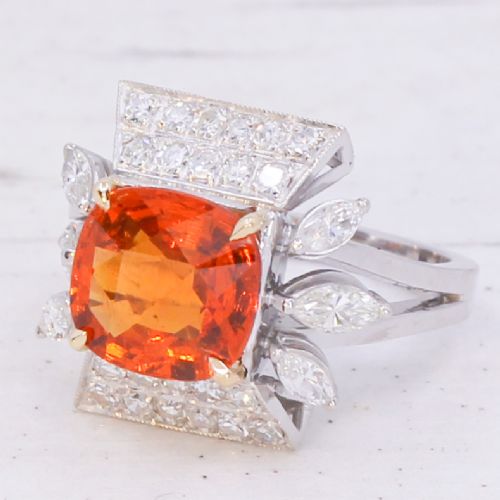
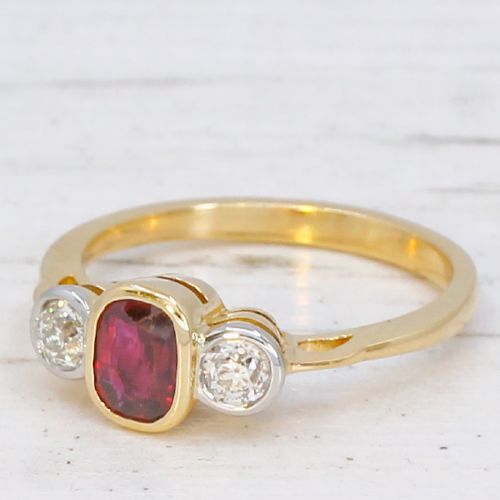
A 1960s gold diamond ring encompasses engagement rings, dress rings, and substantial cocktail pieces originating from the mid-century period. Buyers encounter forms ranging from simple solitaire and trilogy mountings to complex cluster and ballerina designs incorporating coloured stones.
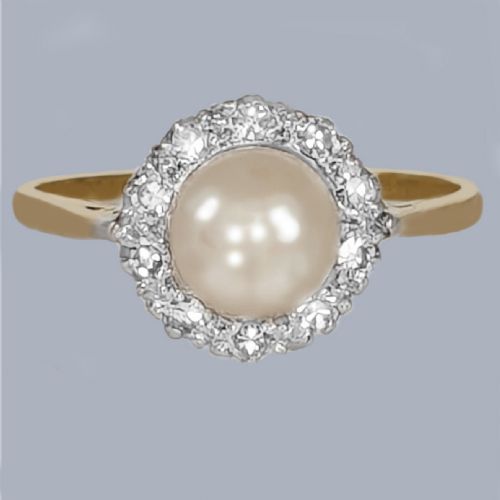
Cluster configurations frequently pair diamonds with sapphires, emeralds, rubies, or pearls, reflecting the period's preference for vibrant colour contrasts. Solitaire and multi-stone rings rely on brilliant cut and old cut diamonds set within robust precious metal bands.
Materials and construction
Goldsmiths utilised 18ct yellow gold, 14ct gold, and 18ct white gold, frequently combining white gold or platinum for the head settings to enhance the brilliance of the diamonds. Hallmarks and assay marks provide verifiable origins, such as Birmingham hallmarks from the early 1960s.
Gemstones include natural diamonds, sapphires, emeralds, rubies, and pearls secured via claw settings, bezel mountings, and open work scrolled galleries. Techniques merged traditional hand-working with modernist casting methods to achieve structural lattice and cluster arrangements.
Some mid-century cocktail rings feature enough diamond and gemstone weight to double as miniature works of art for the finger.
Distinguishing quality factors
Quality rests upon the proportion and scale of the central stones relative to the supporting mount, alongside the weight and purity of the gold or platinum used in the shank. Heavier, solid constructions with intricate open work or scrolled galleries demonstrate superior workshop execution.
The integration of certified gemstones and the precision of the stone setting, whether brilliant cut or old cut diamonds alongside high-carat coloured stones, separate standard production pieces from finer examples.
Andrew Grima·Julius Cohen·Niels Erik From
The 1960s Gold Diamond Ring Glossary
- Cluster ring
- A ring featuring a central gemstone surrounded by a border of smaller stones, typically diamonds encircling a sapphire, emerald, or ruby.
- Solitaire
- A ring set with a single diamond or other gemstone as the sole focal point of the design.
- Old cut
- A diamond cutting style prevalent in earlier periods featuring a smaller table, higher crown, and open culet, known for deep facet light return.
- Ballerina ring
- A cocktail ring style where tapered baguette cut diamonds surround a central stone, resembling the tutu of a ballerina.
- Trilogy ring
- A mounting holding three stones side by side, traditionally symbolising the past, present, and future.
1960s Gold Diamond Ring: Frequently Asked Questions
How do I style a vintage cocktail ring?
These prominent mid-century rings suit standalone wear on the hand to let the cluster or coloured stone act as the main focus of an outfit. Their substantial scale pairs well with evening wear or simple daytime tailoring.
Because many examples incorporate high-carat gold and prominent gems, keeping other hand jewellery minimal allows the ring's specific era and design to stand out clearly.
Are these rings suitable for daily wear?
Robust 18ct gold and platinum settings from this period withstand regular use, though delicate claw settings on high-set clusters require mindful care during manual tasks. Regular checks by a jeweller ensure the security of the central diamonds and surrounding stones.
Removing the ring during heavy physical activity protects both the precious metal shank and the secondary gems such as pearls or emeralds from unnecessary impact.
What defines mid-century ring design?
Mid-century rings move away from strict traditional symmetry, embracing textured gold work, abstract lattice structures, and organic cluster arrangements. The combination of yellow gold bodies with white gold or platinum illusion settings is typical of this decade.
Jewellers experimented with varied stone combinations, pairing diamonds with aquamarines, garnets, and natural pearls within substantial architectural mountings.
How do I identify the metal purity?
Hallmarks stamped inside the band indicate the specific gold standard, such as 18ct or 14ct, alongside maker marks and assay office symbols like the Birmingham anchor. Platinum and white gold components are often marked explicitly alongside the gold stamps.
Testing by a professional or reading official certification papers confirms the exact alloy composition and gemstone characteristics recorded for the piece.