



1960s Cocktail Ring
A 1960s cocktail ring delivers bold presence through substantial centre stones and expressive mid-century design.
1960s Cocktail Ring
When searching for a 1960s cocktail ring, buyers encounter statement pieces designed for evening wear and social gatherings. These items typically showcase oversized central gemstones surrounded by accent diamonds or sculptural metalwork.
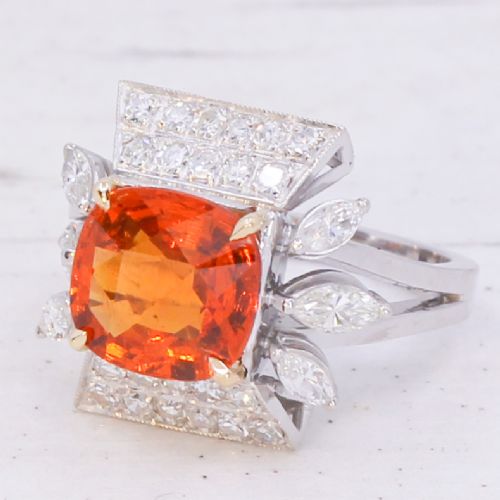
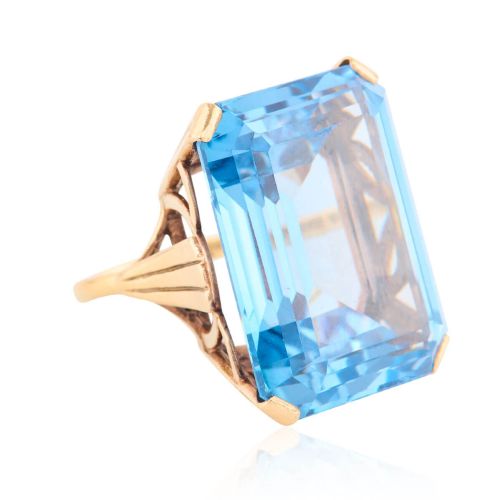
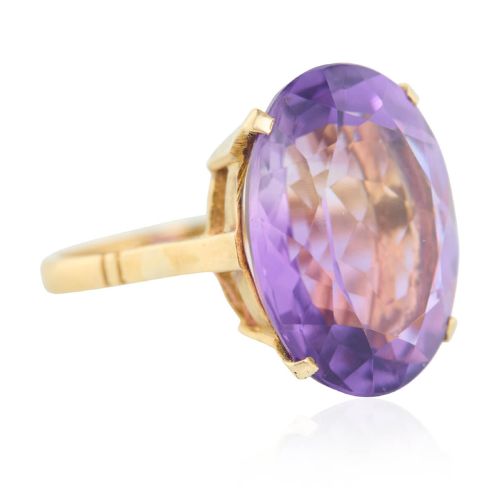
The selections available range from striking sapphire and emerald clusters to large aquamarine and amethyst solitaires. Mid-century styling dominates the inventory, incorporating clean lines and organic modernist motifs.
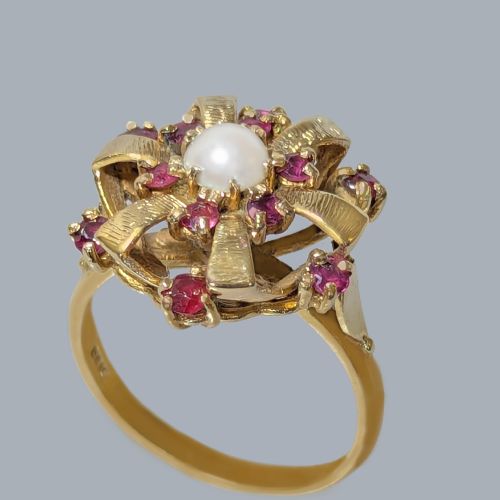
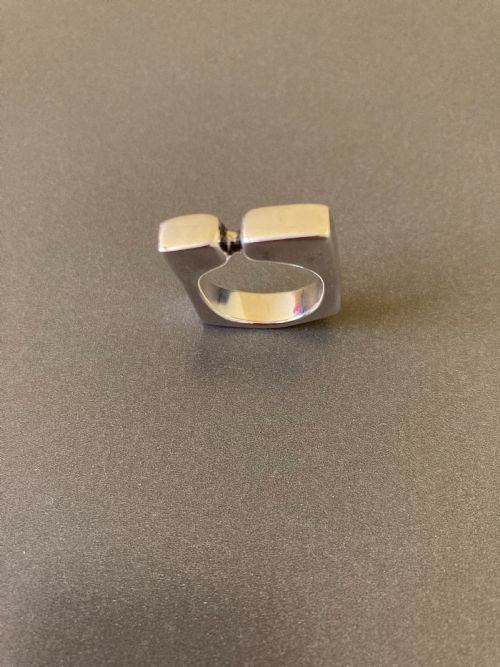
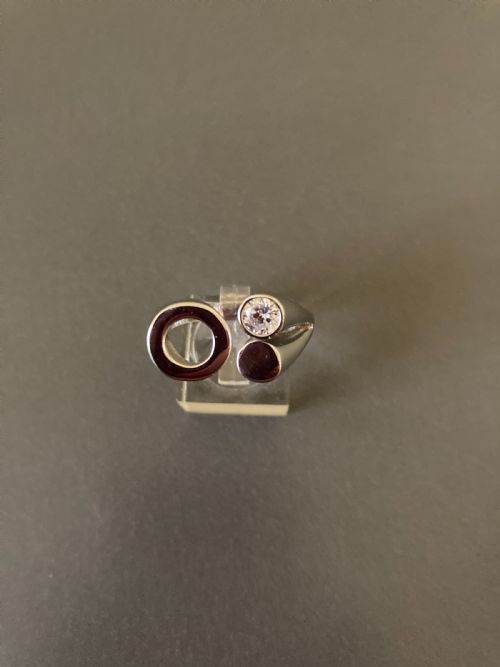
Alongside British hallmarked pieces, the assortment includes Scandinavian silver creations and Italian scrolled open work designs. Dress rings and cluster configurations provide the primary formats for these mid-century statement pieces.
Materials and construction
Goldsmiths of the era worked extensively in yellow gold, white gold, and platinum, frequently pairing 18ct gold settings with high-carat coloured gemstones. Sterling silver also appears, particularly in modernist Scandinavian output.
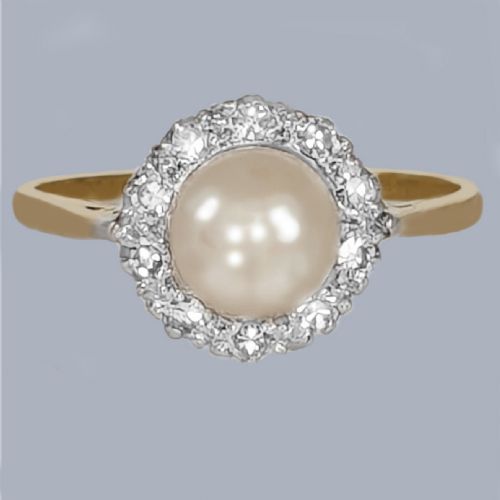
Cluster arrangements, ballerina settings, and crossover motifs rely on secure claw and basket mountings to support large stones such as Burmese sapphires, Colombian emeralds, and orange garnets. Intricate open work and lattice patterns demonstrate the period's preference for textured metal surfaces.
1960s Cocktail Ring Retail Price Guide 2026
Typical asking prices for 1960s cocktail ring among the pieces listed under this phrase on Sellingantiques today, from the lower quarter to the upper quarter. They describe what is for sale here now, not the wider market.
Listings feature 18ct gold, platinum, and silver alongside natural sapphires, emeralds, aquamarines, and diamonds from the mid-century period.
Evaluating quality and execution
Quality in these pieces rests upon the calibre of the central gemstone and the ambition of the mounting. Natural unheated sapphires, high-clarity emeralds, and substantial aquamarines elevate a piece significantly above standard paste or lesser quartz alternatives.
Construction standards differ between mass commercial output and sculptural designer work. Substantial gold weight, crisp hallmarks, and complex configurations such as multi-tiered cluster or ballerina settings distinguish superior examples.
Randers Silver·Andrew Grima
The 1960s Cocktail Ring Glossary
- Cocktail ring
- A large, showy ring worn primarily for evening social occasions, typically featuring a prominent central gemstone and diamond embellishments.
- Cluster ring
- A ring design where a central stone is encircled by a tight group of smaller accent stones, usually diamonds.
- Ballerina ring
- A distinctive cluster setting featuring radiating tapered baguettes or straight diamonds that resemble a dancer's tutu around a central stone.
- Crossover ring
- A style where the shank sweeps up to display two main stones or intersecting lines that cross over the finger.
- Solitaire
- A ring featuring a single prominent gemstone without secondary accent stones.
1960s Cocktail Ring: Frequently Asked Questions
What defines a 1960s cocktail ring?
These pieces are characterised by oversized central gemstones, including sapphires, emeralds, and amethysts, paired with bold mid-century styling.
They were created as dramatic evening wear accessories, moving away from traditional engagement ring proportions to embrace expressive, sculptural forms.
How were these rings worn historically?
Original owners wore these large statement pieces to cocktail parties and evening social events, often placing them on the right hand.
Their substantial scale was intended to draw attention during conversation and dancing, functioning as miniature works of art.
What metals are common in these rings?
Makers utilised 18ct yellow gold, 18ct white gold, 9ct gold, and platinum. Silver was also utilised, notably by Scandinavian workshops.
Colour contrast between white and yellow gold frequently highlights the structural geometry of modernist designs.
How do I distinguish mid-century styles?
Look for organic motifs, lattice open work, and crossover bands that move away from strict symmetry. Scandinavian silver often displays minimalist forms, while Italian designs favour heavy, scrolled goldwork.
Cluster arrangements range from tight floral clusters to tiered ballerina settings.