


1960s Cluster Engagement Ring
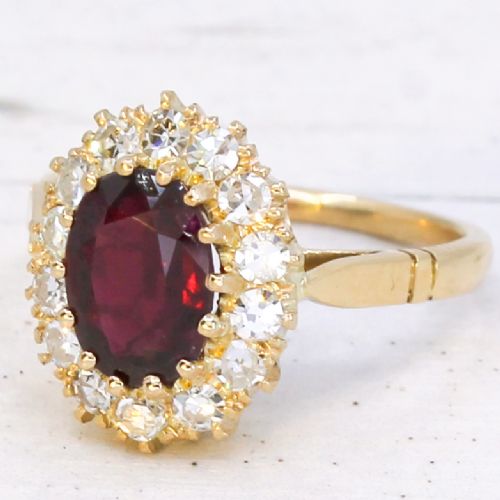
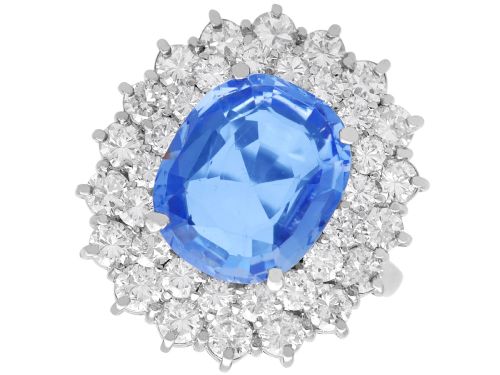
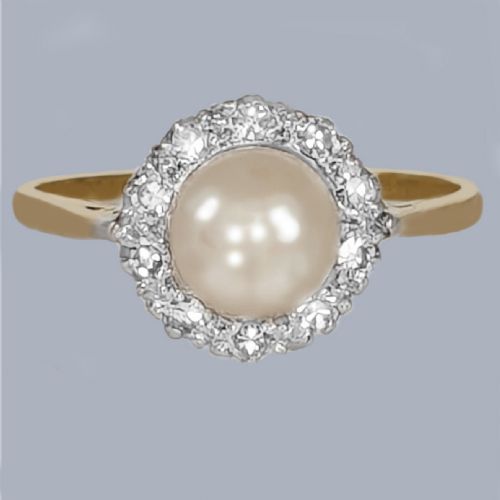
A 1960s cluster engagement ring pairs a central stone with a surrounding border of diamonds, offering undeniable mid-century presence and brilliant finger coverage.
1960s Cluster Engagement Ring
A 1960s cluster engagement ring brings together a central gemstone encircled by smaller accent stones, typically diamond or sapphire, creating a distinct floral or geometric outline. These pieces belong to the mid-century period and carry stylistic echoes of earlier decades alongside modern sensibilities.
The selections available here showcase substantial stones, featuring unheated Burmese and Ceylon sapphires alongside pearls and diamonds. Mountings range from bright 18ct white gold to rich yellow 18ct gold and durable platinum.
Makers of this era produced both flower engagement rings and broader dress rings, reflecting a period of confident design. Buyers find everything from delicate pearl compositions to bold multi-carat sapphire centerpieces.
What varies in quality
The distinction between tiers rests upon the origin, weight, and treatment of the central sapphire, alongside the clarity and cut of the surrounding diamonds. Natural, unheated stones of significant carat weight elevate a piece considerably.
Execution of the metalwork, whether in 18ct white gold, yellow gold, or platinum, determines the refinement of the final cluster outline and the security of the claw or bezel settings.
The selection spans mid-century modern aesthetics, Art Deco revival styles, and classic 1960s flower cluster motifs.
The 1960s Cluster Engagement Ring Glossary
- Cluster ring
- A ring design featuring a central stone framed by a border of smaller gemstones. This layout maximises visual impact and light return.
- Cabochon
- A gemstone shaped and polished with a smooth, convex upper surface rather than faceted. This cut suits certain sapphires for a softer appearance.
- Rose cut
- An antique diamond cut with a flat base and a domed crown composed of triangular facets. It offers a subtle, understated shimmer.
- Old cut
- A vintage diamond cutting style characterised by a smaller table, higher crown, and open culet. These stones possess a distinct charm under candlelight.
- Hallmark
- An official stamp applied to precious metals indicating purity and origin. British pieces often display assay office marks and date letters.
1960s Cluster Engagement Ring: Frequently Asked Questions
Are these rings suitable for daily wear?
These rings generally suit everyday wear provided the settings remain secure and the stones are robust. Sapphires and diamonds offer high hardness ratings well suited to active daily use.
Pearls require greater care due to their softer composition. Regular checks by a jeweller help preserve the integrity of the claw work.
How can I tell a 1960s ring from other eras?
Mid-century pieces often combine specific low-profile cluster arrangements with distinct white gold and platinum mounting techniques. Stylistic elements bridge traditional dress ring motifs with modernist design.
Hallmarks provide definitive chronological evidence where present. Birmingham and other assay offices stamped specific date ciphers during this decade.
What is an unheated sapphire?
An unheated sapphire is a natural gemstone that has undergone no artificial thermal enhancement to improve its colour or clarity. Such stones command strong interest among collectors.
Laboratory certificates typically accompany these exceptional gems to verify their natural status. Their untouched origins contribute to their desirability.
Can these rings be resized easily?
Most gold and platinum bands permit adjustment by a skilled jeweller. The complexity of the cluster shoulders requires careful handling to avoid disturbing the surrounding small stones.
Consulting a specialist ensures the structural integrity of the gallery remains intact. Shank thickness dictates the extent of possible alterations.