
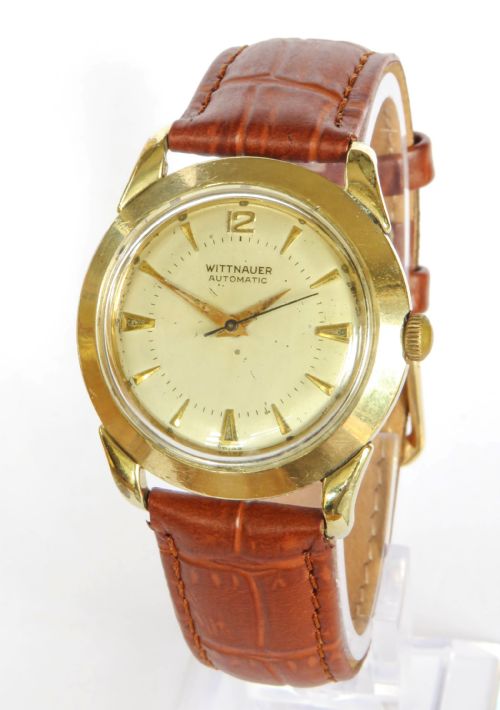
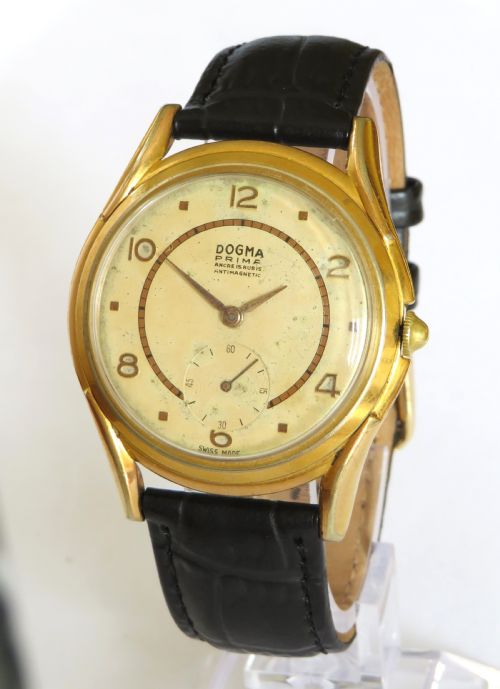
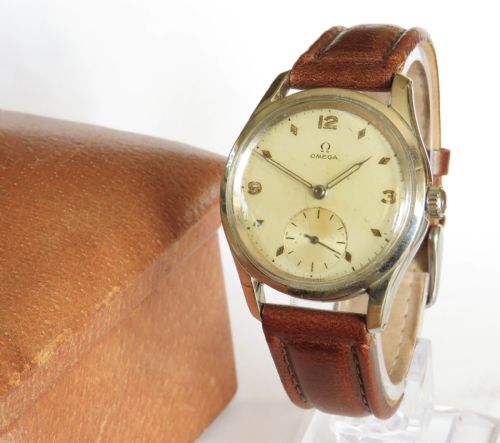
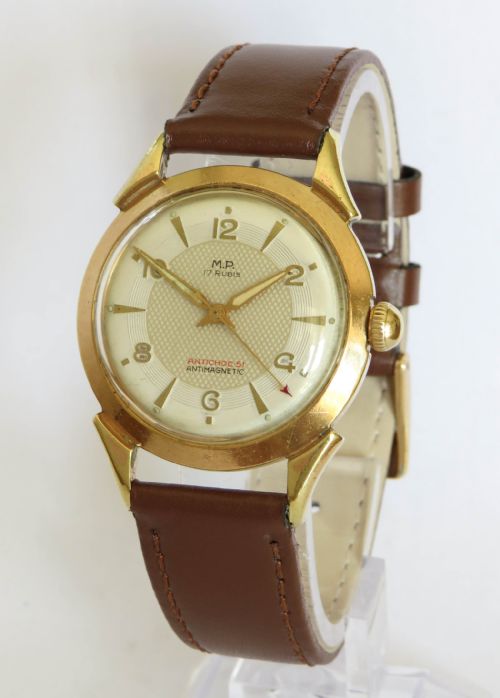
1950s Swiss Wristwatch
A 1950s swiss wristwatch delivers mid-century horology with mechanical reliability and timeless proportion, appealing to collectors seeking period character.
1950s Swiss Wristwatch
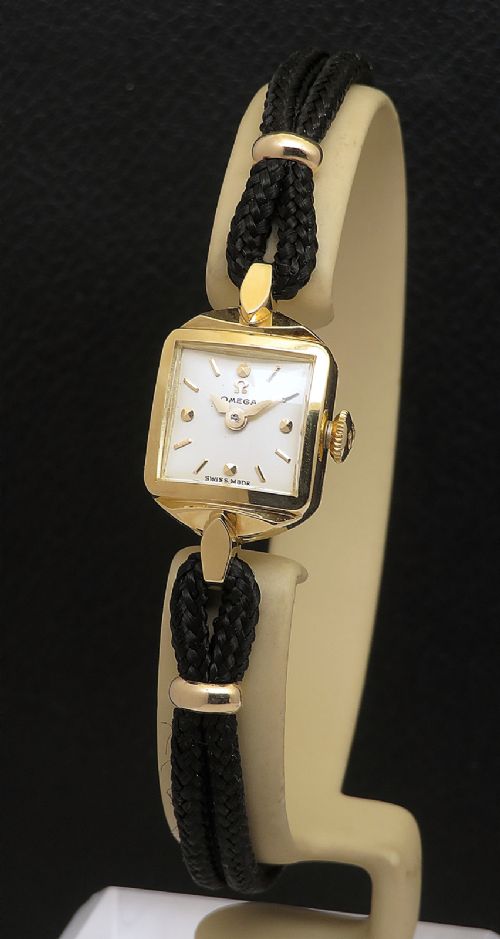
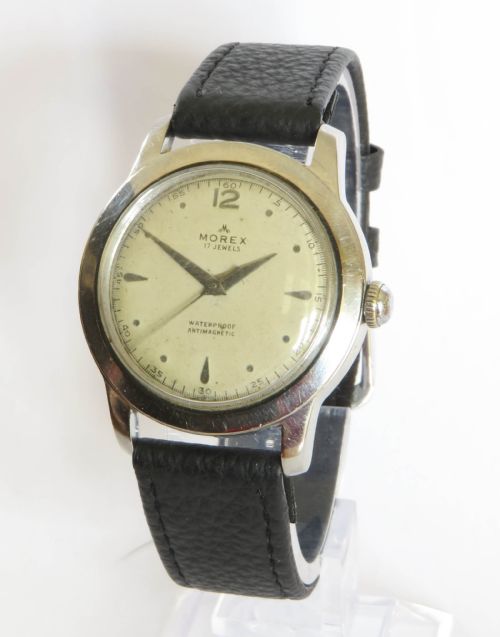
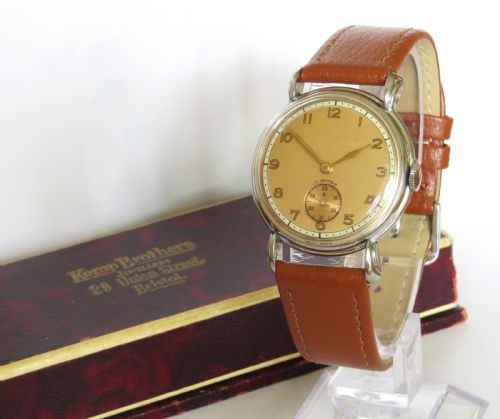
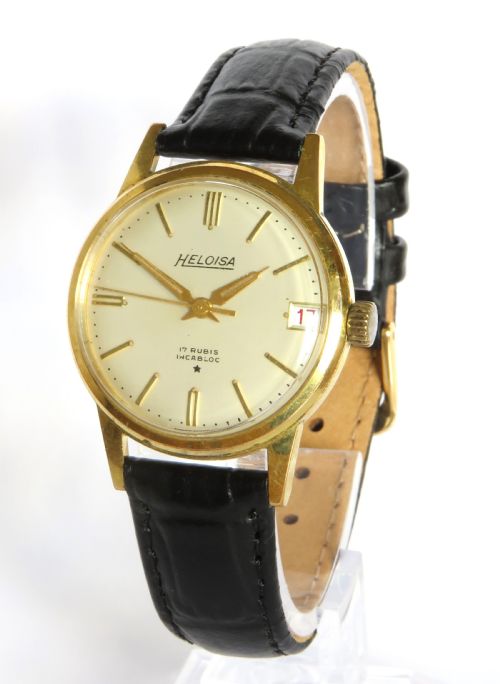
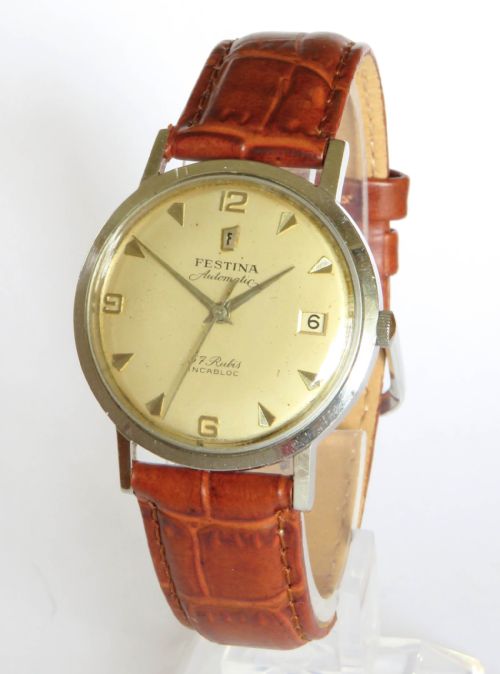
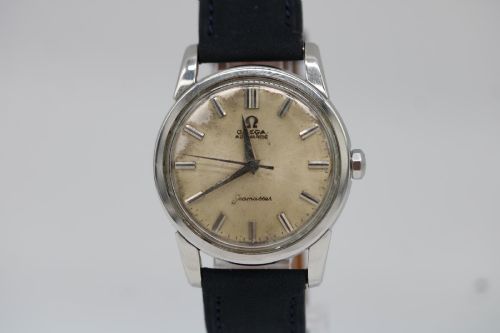
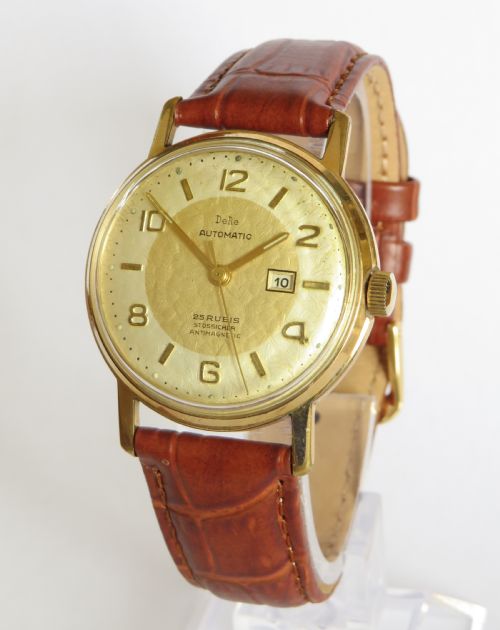
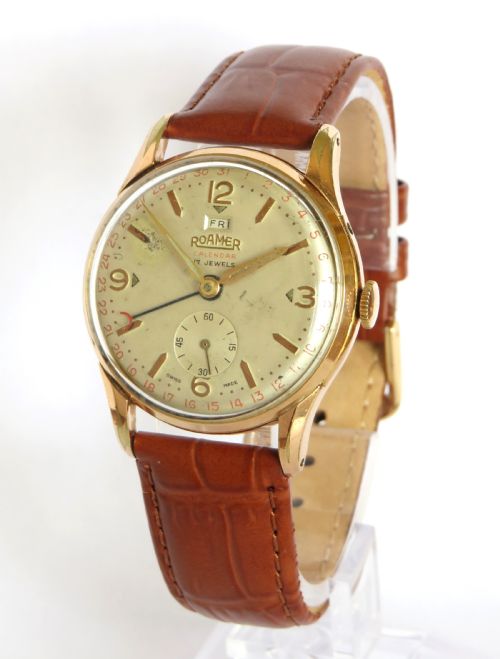
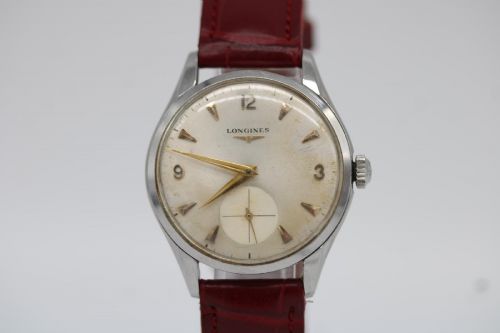
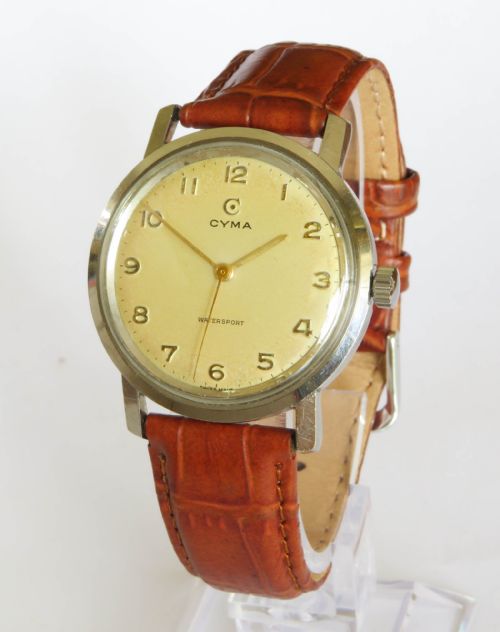
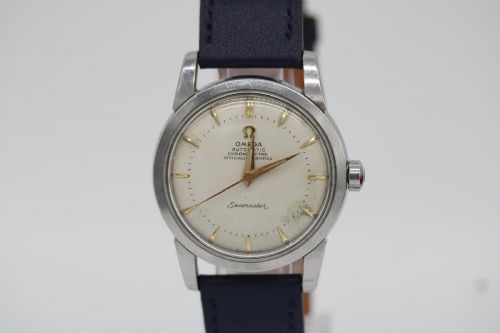
A 1950s swiss wristwatch comprises gents dress watches, automatic chronographs, and ladies cocktail pieces originating from mid-century horology. These timepieces display Mid-Century Modern and Art Deco design influences across manual wind and automatic movements.
Gents models dominate the selection, often appearing in mid-sized steel or gold cases alongside specialised calendar, moonphase, and chronograph complications. Ladies cocktail watches provide alternative forms utilising precious metals and diamonds for evening wear.
How they were made
Watchmakers utilised stainless steel, solid 18ct or 9ct gold, and gold-plated metals to construct durable cases housing mechanical movements. Dials incorporated acrylic or acrylic glass crystals alongside metal hands and hour markers.
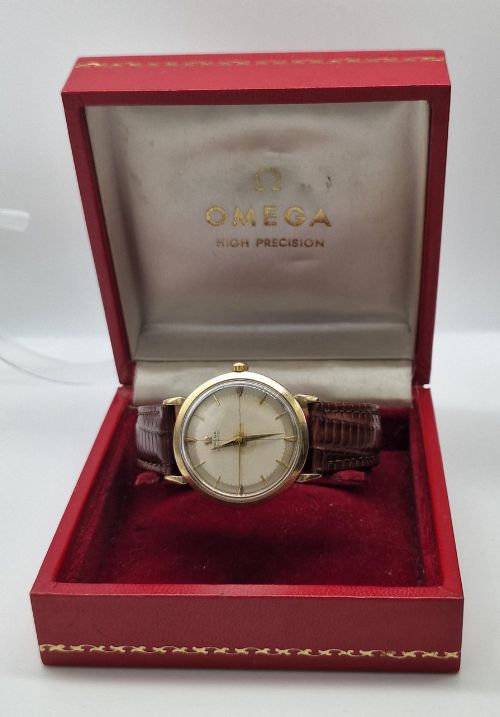
Straps fashioned from leather and fabric secured the watches to the wrist, complemented in some instances by original presentation boxes and sale papers.
Listings feature materials spanning stainless steel, 18ct gold, gold plate, leather, and acrylic glass across mid-century styles.
What varies in quality
Quality differences rest upon case metal purity, movement sophistication, and overall preservation state from the mid-century period. Solid gold and platinum cases housing complex chronograph or calendar movements represent the upper tier of production.
Original dial condition and movement integrity dictate desirability among collectors, distinguishing standard dress models from chronometer-grade examples.
Omega·Longines·Rolex·Jaeger LeCoultre·Cyma·Roamer·Certina·Baume Mercier
The 1950s Swiss Wristwatch Glossary
- Automatic
- A self-winding mechanical movement that uses a weighted rotor to tension the mainspring during normal wrist movement. This mechanism gained widespread adoption during the mid-century period.
- Chronograph
- A watch equipped with a stopwatch function alongside time-displaying hands. These complications often include additional subdials for tracking elapsed minutes and hours.
- Manual Wind
- A mechanical movement requiring the wearer to manually turn the crown to wind the mainspring. Most dress watches from the era relied on this traditional method.
- Bumper Automatic
- An early form of self-winding movement where the rotor swings back and forth against internal springs rather than rotating fully. This technology marks specific mid-century calibres.
- Triple Calendar
- A watch complication displaying the day, date, and month simultaneously on the dial face. Some iterations pair this layout with a moonphase indicator.
1950s Swiss Wristwatch: Frequently Asked Questions
How do I wind a manual watch?
Rotate the crown clockwise between your thumb and forefinger until you feel gentle resistance. Stop immediately to avoid damaging the internal mainspring.
Perform this action at the same time each day if worn regularly to maintain consistent timekeeping accuracy.
Are these watches waterproof?
Vintage timepieces lack modern rubber gasket seals and screw-down standards associated with contemporary diving equipment. Exposure to moisture can cause internal rust and dial damage.
Keep the watch away from swimming pools, showers, and heavy rain to preserve the delicate mechanical movement inside.
What is a bumper movement?
A bumper movement relies on a semi-circular weighted rotor that bounces between two internal springs to wind the mainspring. You can feel a gentle tap on your wrist as the rotor moves.
This mechanical layout characterises automatic watches produced during the early and mid-1950s before full-rotor systems became standard.
How accurate are vintage watches?
Mechanical watches from this era typically gain or lose a small number of seconds each day depending on service history and position. Chronometer-grade examples achieve tighter tolerances than standard dress models.
Regular servicing by a professional watchmaker ensures the gear train and lubrication function correctly for daily wear.