

1950s Gents Wristwatch
A 1950s gents wristwatch delivers mid-century style through mechanical reliability and compact proportions that suit daily wear.
1950s Gents Wristwatch
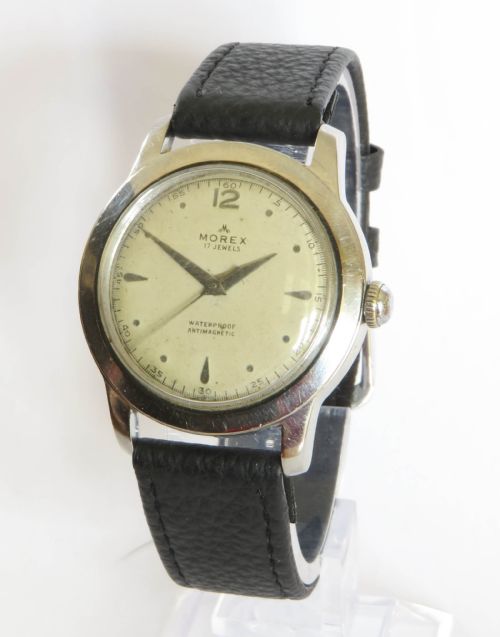
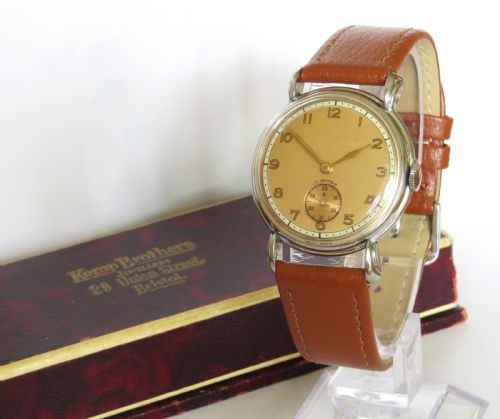
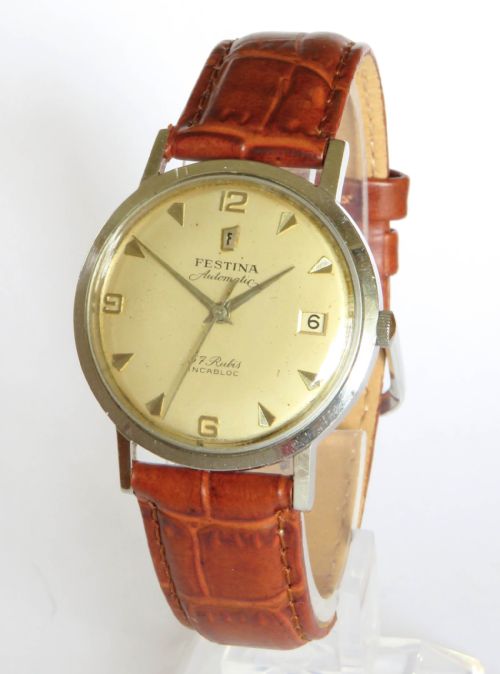
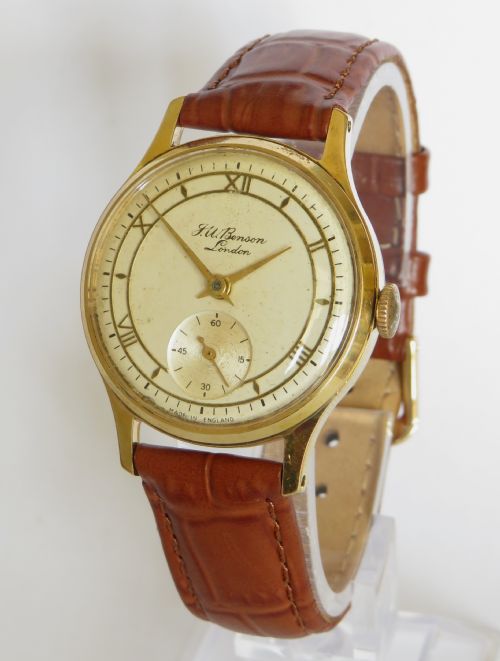
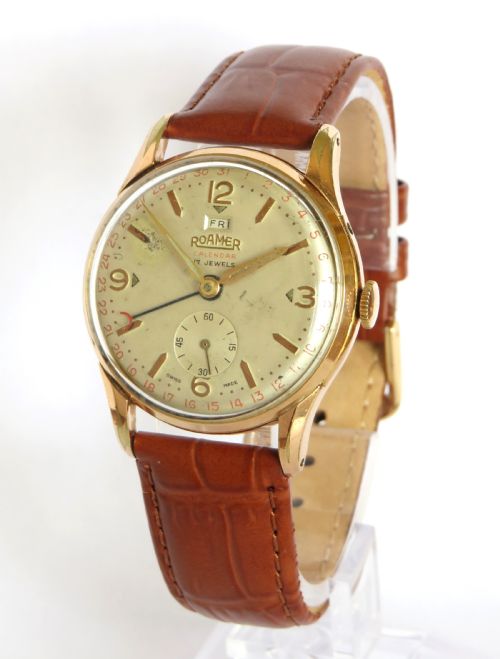
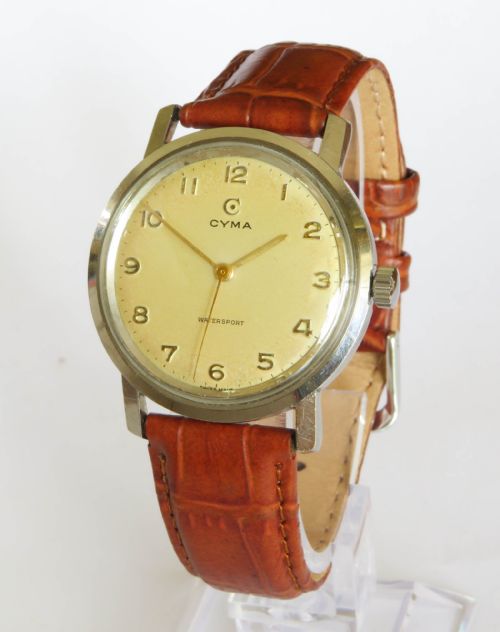
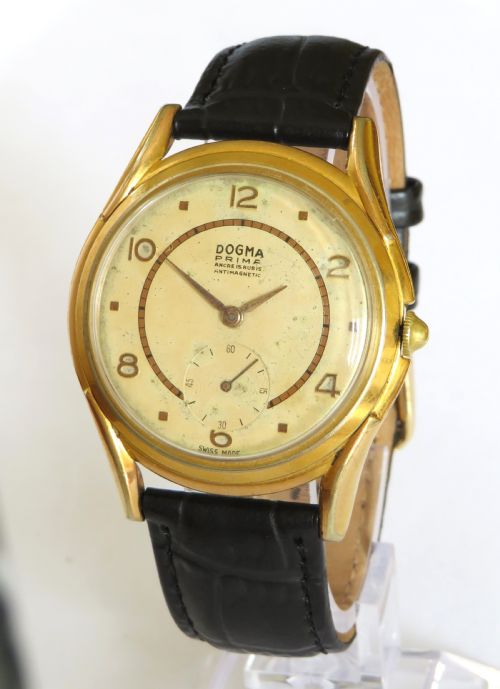
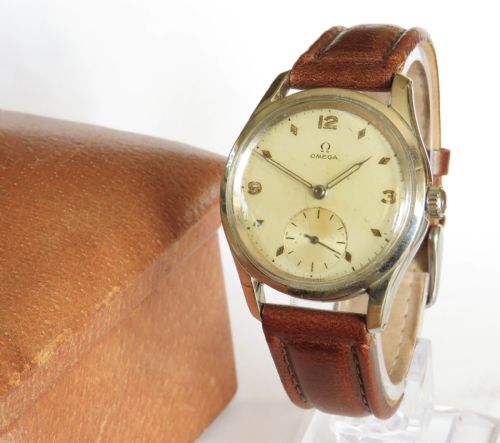
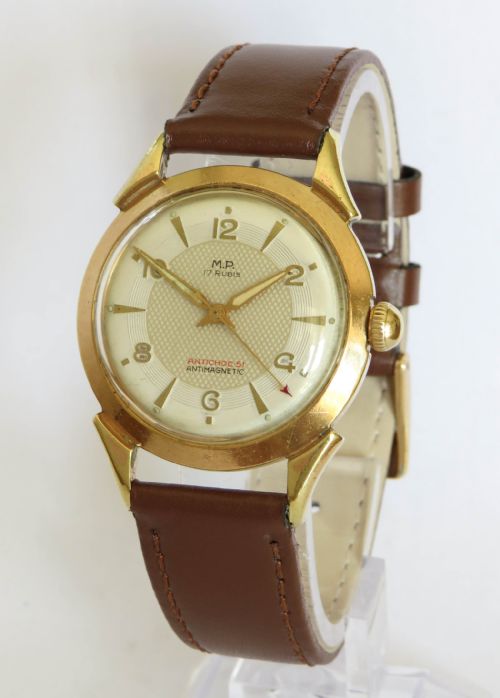
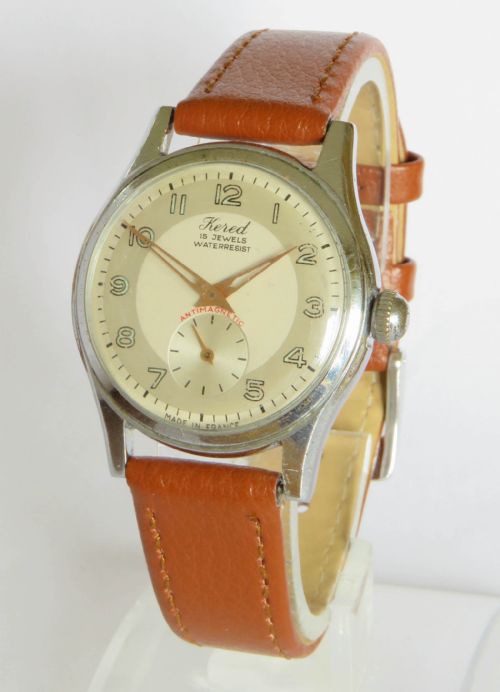
A 1950s gents wristwatch embodies the mechanical practicality of the post-war era, typically housed in round or occasionally square cases with clear Arabic numerals or baton markers. These pieces reflect the mid-century modern design ethos, scaling down ornamentation in favour of clean dials and legible hands.
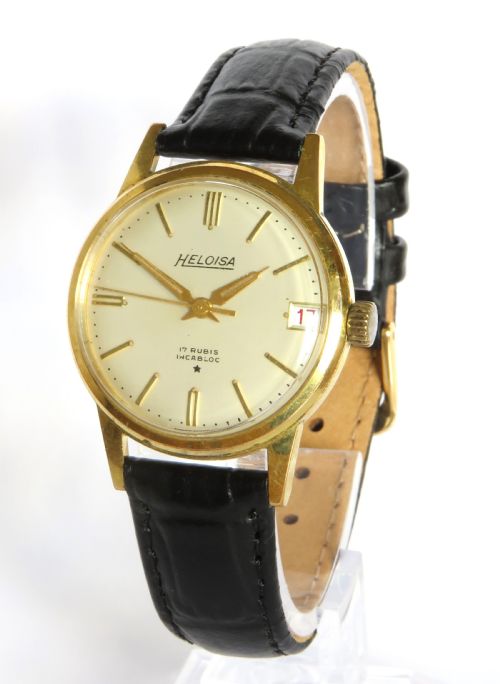
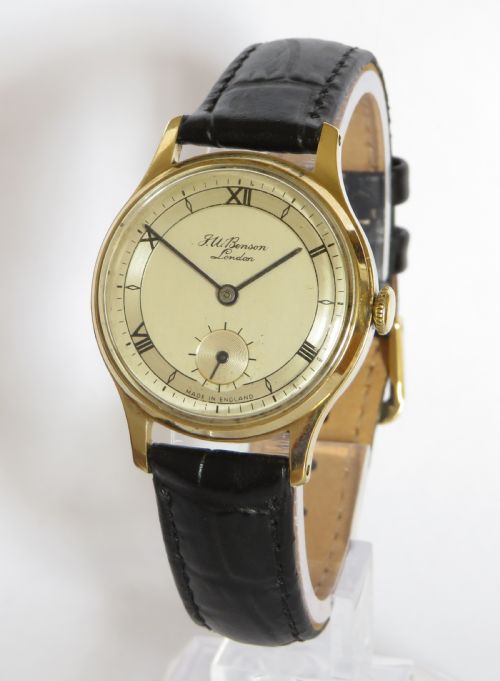
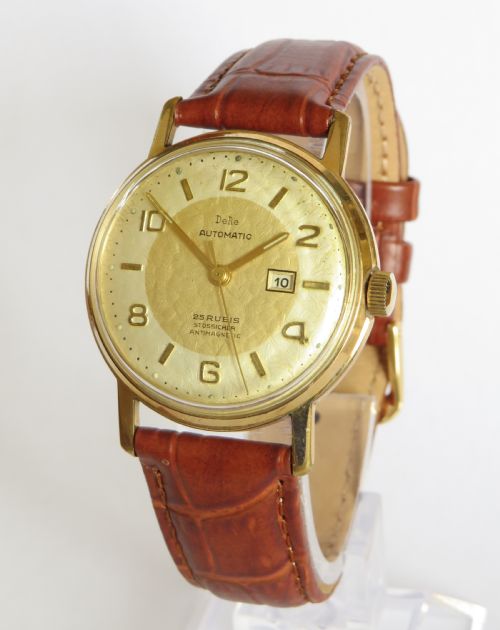
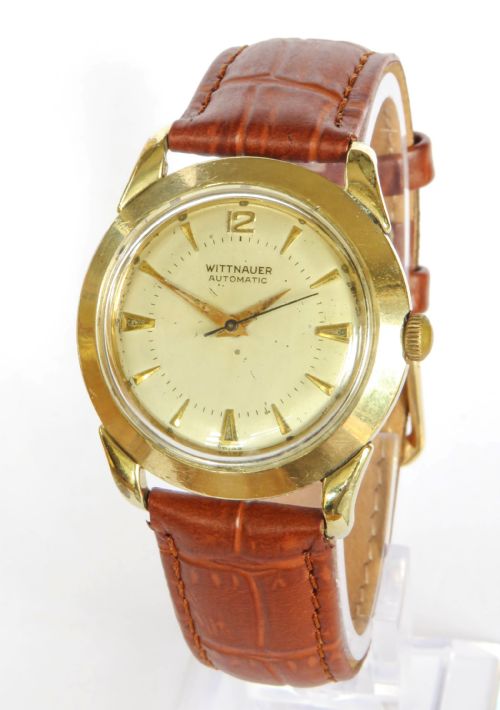
Most examples found here hail from Swiss and British workshops, spanning simple manual-wind timepieces to date-equipped calendar complications and automatic movements. Buyers encounter everything from robust daily wearers in stainless steel to dressier gold-plated and solid gold variants.
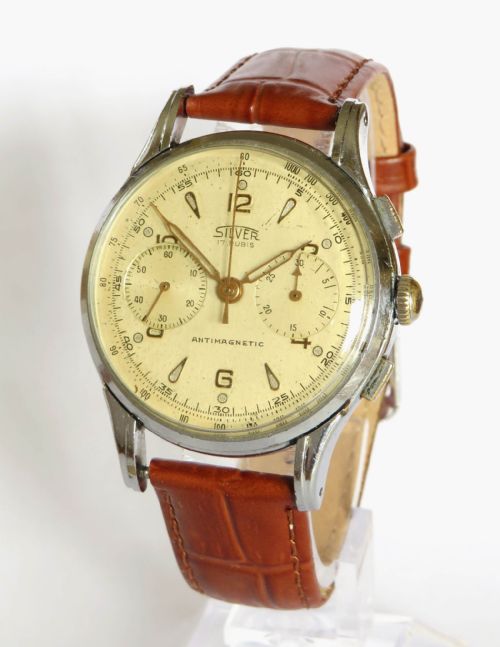
The category includes specialised pieces such as chronographs for elapsed time measurement and bumper automatics that utilise an oscillating weight swinging back and forth. Original boxes frequently accompany selected pieces, offering additional context for collectors seeking complete sets.
How They Were Made
Cases utilise metals such as stainless steel, chrome, gold plate, and solid gold, paired with protective crystals fashioned from glass or acrylic. Manufacturers fitted these housings with leather straps to secure the watch to the wrist.
Internal mechanics rely on intricate brass gear trains, jewelled bearings, and mainsprings assembled by hand in specialised horological workshops. Automatic versions incorporate weighted rotors to wind the mainspring using the natural motion of the arm.
Listings feature stainless steel, gold plate, leather, and acrylic across mid-century designs.
What Varies In Quality
Quality rests upon the pedigree of the movement and the integrity of the dial typography, where clean, factory-original printing commands greater respect than heavily restored surfaces. Smiths, Omega, and Longines examples demonstrate finer finishing in their gear trains and case geometry compared to lesser-known contemporaries.
Materials dictate the hierarchical tier, moving from base metals and chrome plating up to solid stainless steel and substantial gold cases. The presence of specialised complications like chronographs or calendar mechanisms elevates the mechanical ambition of the piece.
Montilier·Heloisa·Festina·Antoremi·Roamer·Cyma·Wittnauer·Dogma Prima·Omega·Kered·Rotary·Baume Bimatic·Lanco Sport·Smiths Deluxe·Prisma·Marvin·Certina·Longines·MuDu·Benfre·Geneve·Accurist·Nivada·Helvetia·Colant
The 1950s Gents Wristwatch Glossary
- Automatic
- A mechanical movement wound by the natural motion of the wearer through an internal rotating weight. This system removes the need for daily manual winding.
- Chronograph
- A watch equipped with a stopwatch function alongside the standard timekeeping hands. Sub-dials record elapsed minutes and seconds.
- Bumper automatic
- An early self-winding movement where the rotor swings back and forth against spring-loaded buffers rather than rotating in a full circle. The wearer can physically feel the internal weight knock against the springs.
- Acrylic
- A lightweight, transparent plastic material commonly utilised for watch crystals during the period. It can be easily polished to remove surface scratches.
- New Old Stock
- Unsold vintage inventory preserved in its original unworn condition over decades. These items often retain factory tags or packaging.
1950s Gents Wristwatch: Frequently Asked Questions
How do I wind a manual watch?
Turn the crown clockwise between your thumb and forefinger until you feel gentle resistance. Stop immediately to avoid damaging the mainspring.
Perform this action at roughly the same time each day to maintain consistent tension and accurate timekeeping.
Can I wear my vintage watch daily?
These timepieces were built for everyday utility and handle regular wear well, provided you respect their mechanical nature. Avoid exposing them to heavy impacts during manual labour.
Keep older watches away from water unless a specialist has recently tested and sealed the case against moisture.
What is a bumper automatic movement?
A bumper automatic uses a partial rotor that swings back and forth within a limited arc rather than spinning in a full circle. You will feel a gentle tap against the internal springs as your arm moves.
This design represents an early phase of self-winding technology before full rotor mechanisms became standard industry practice.
How do I spot a redial?
Examine the dial typography under magnification for uneven spacing, bleeding ink, or misaligned lettering. Original factory printing appears crisp and uniform.
Compare the font style and minute tracks against authenticated examples from the same maker and production year.