


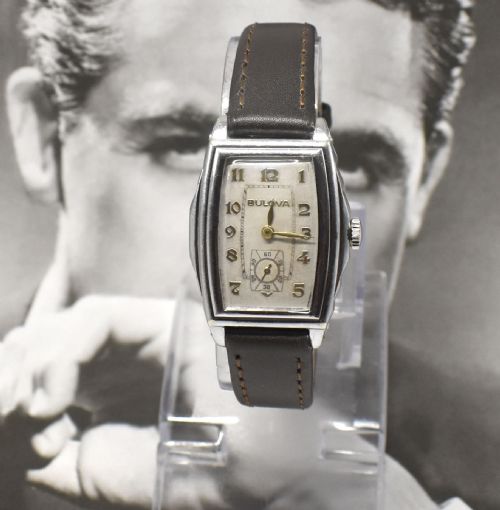

Gold Tone Wristwatch
These gold tone wristwatch examples span decades of classic design, offering reliable timekeeping wrapped in distinctive vintage metalwork.
Gold Tone Wristwatch
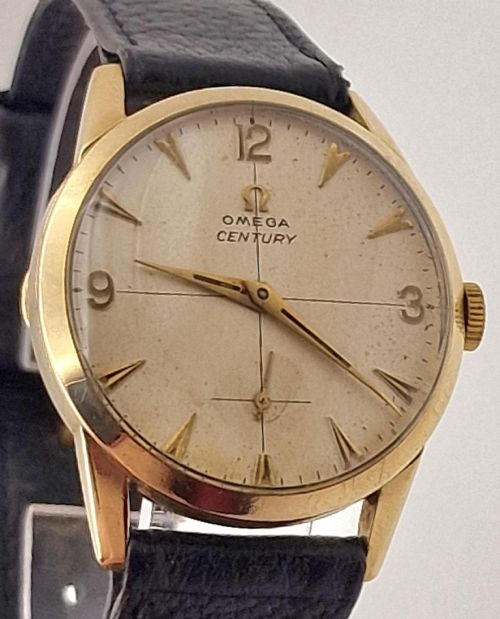
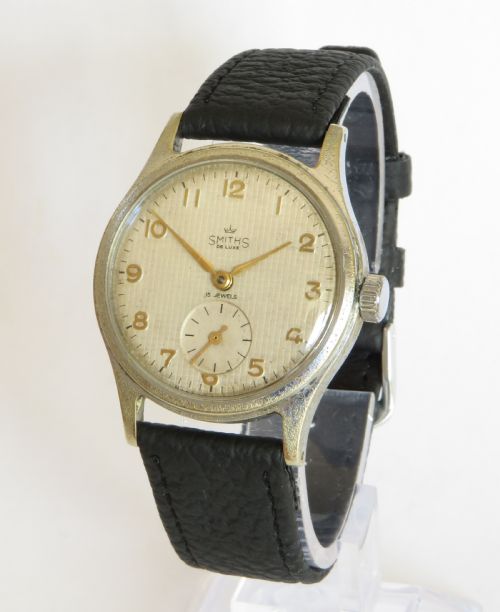
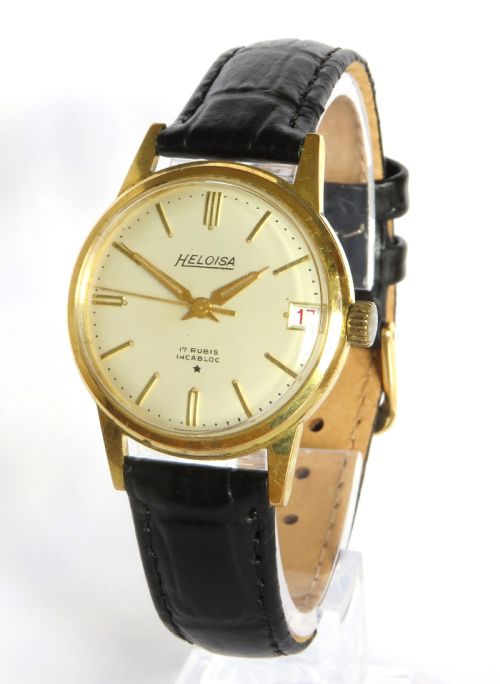
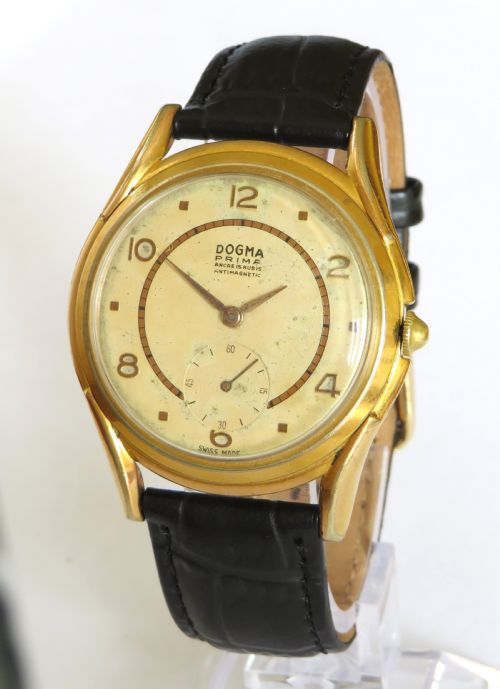
When you search for a gold tone wristwatch, you examine timepieces that capture the visual warmth of gold through various metals and platings, frequently appearing across the 1930s, 1940s, 1950s, and 1960s. These items range from sturdy gents wrist watches to elegant ladies models adorned with precious stones.
The versions you meet most frequently on this page belong to the mid-century decades, particularly the 1950s and 1960s, showcasing styles from straightforward mid-century British designs to ornate Art Deco aesthetics.
Makers and brands represented in the current selection include Smiths, Heloisa, Dogma Prima, Ebana, Le Coultre, Bulova, and Tudor, alongside diamond-set platinum and white gold pieces.
How they were made
Many items utilise gold plate or gold fill over base metals to achieve their distinct warm finish, whilst higher-end examples employ solid 9ct gold or 18ct white gold combined with platinum.
Dials are protected by glass crystals, and the finished watch heads are typically paired with leather straps to secure them to the wrist.
Gold Tone Wristwatch Retail Price Guide 2026
Typical asking prices for gold tone wristwatch among the pieces listed under this phrase on Sellingantiques today, from the lower quarter to the upper quarter. They describe what is for sale here now, not the wider market.
Current listings span four distinct decades, stretching from the 1930s through to the 1960s.
What varies in quality
The materials used set the baseline for quality, moving from gold plate and gold fill up to solid 9ct gold, 18ct white gold, platinum, and diamond encrustations.
Stylistic execution also differentiates the items, ranging from utilitarian mid-century designs to intricate Art Deco geometries and jewelled cocktail pieces.
The Gold Tone Wristwatch Glossary
- Gold tone
- A descriptive term for metals that display the golden hue of gold without necessarily being solid gold throughout. This appearance is typically achieved through plating or filling techniques.
- Art Deco
- A design style spanning the 1920s and 1930s characterised by geometric shapes, stylised motifs, and sleek lines. Watches from this period often feature rectangular or tonneau cases.
- Gold fill
- A manufacturing method where a thick layer of gold is mechanically bonded to a base metal core. It offers significantly more durability than standard gold plating.
- Platinum
- A dense, durable, and naturally white precious metal frequently utilised alongside diamonds in luxury ladies watches from the mid-twentieth century.
Gold Tone Wristwatch: Frequently Asked Questions
Are these watches mechanical or quartz?
The pieces available from these decades rely entirely on mechanical movements, driven by mainsprings rather than batteries. Many require manual winding daily, whilst others utilise automatic rotor systems.
This mechanical nature connects the wearer directly to mid-century horological craftsmanship.
How do I care for a vintage leather strap?
Leather straps benefit from staying dry and avoiding prolonged exposure to moisture or direct sunlight. Conditioning the leather occasionally helps maintain its flexibility and appearance.
Original straps are uncommon on pieces of this age, so replacement leather bands are standard for daily wear.
How do I identify a 1950s wristwatch?
Decades are often identified through dial typography, case geometry, and movement signatures. The 1950s favoured clean, legible dials alongside rounded steel or gold tone cases.
Internal hallmarks and maker stamps provide definitive confirmation of the production era.
Can I wear a vintage watch daily?
Many of these timepieces function reliably for regular wear if treated with care regarding water resistance and impacts. Modern daily use is entirely feasible with proper mechanical servicing.
Treating older watches gently ensures their longevity for future generations.