


1940s Swiss Watch
A 1940s swiss watch delivers mid-century horology with robust mechanical movements and distinct wartime or peacetime character.
1940s Swiss Watch
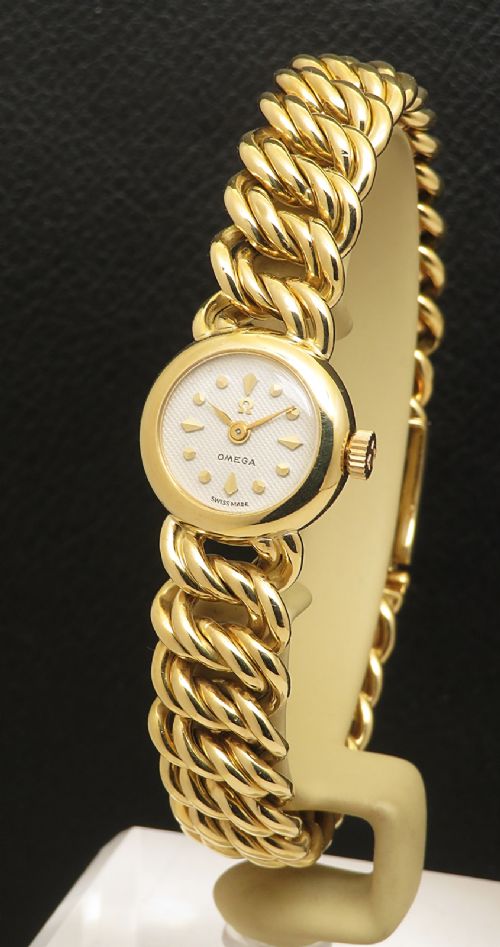
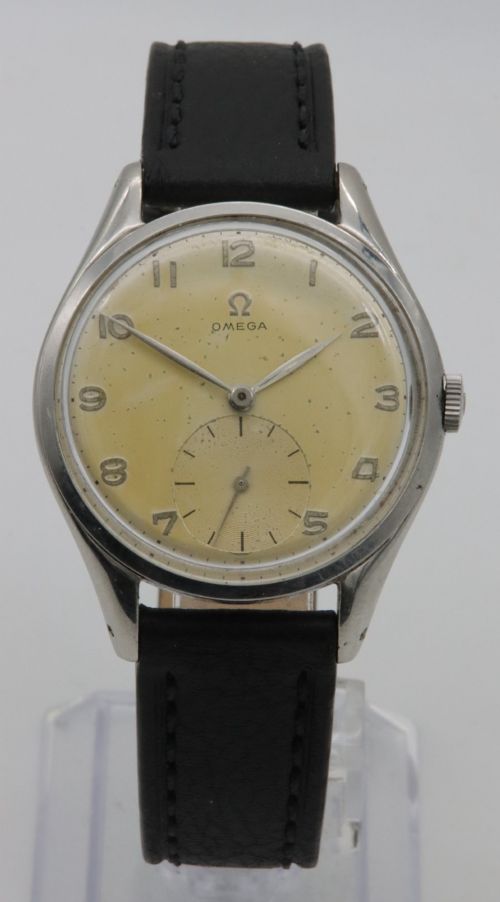
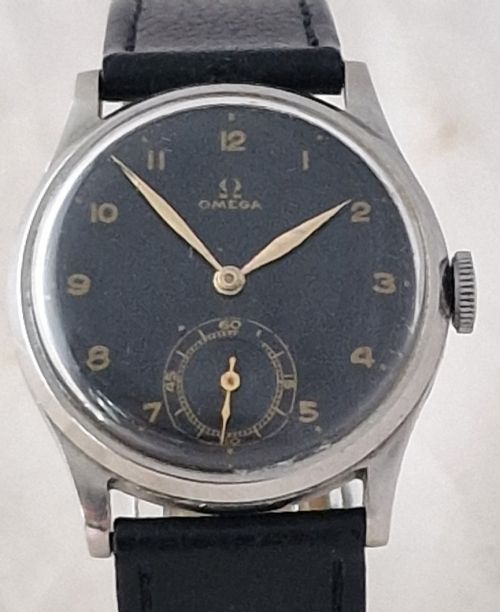
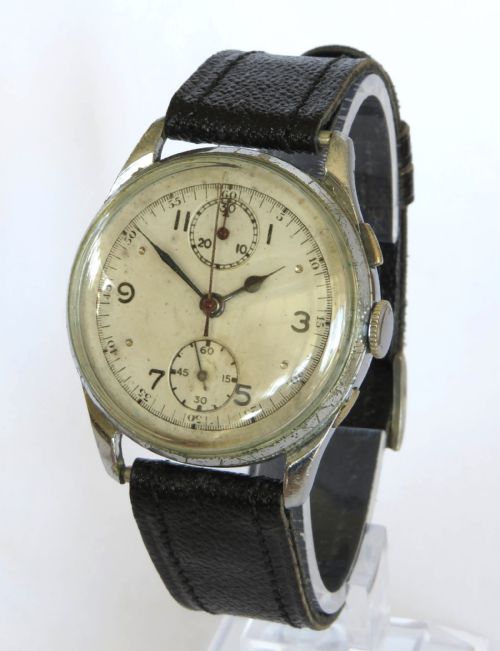
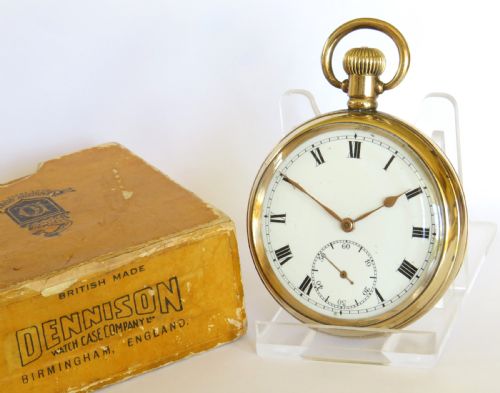
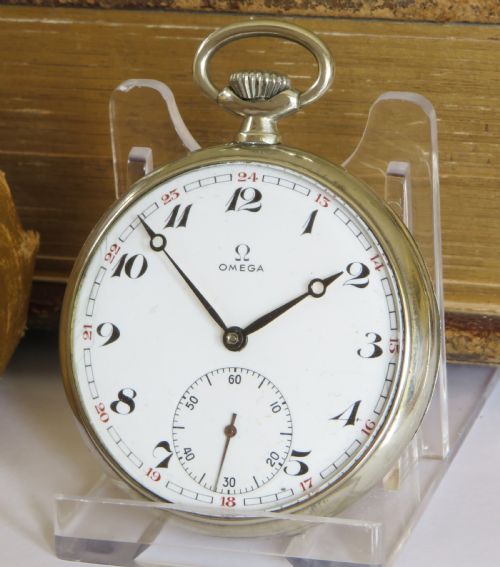
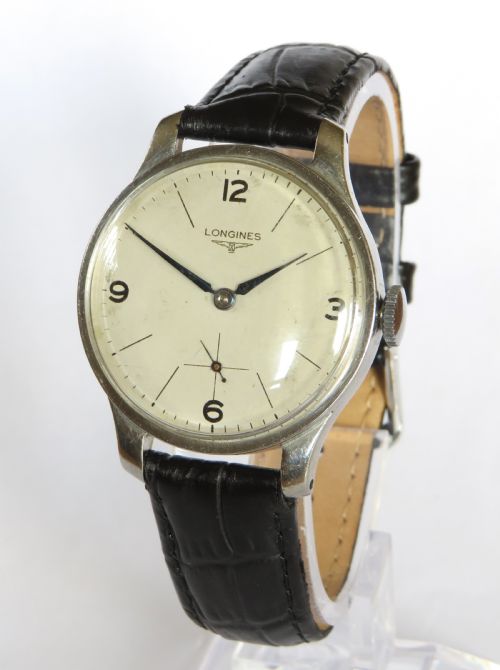
A 1940s swiss watch covers wristwatches and pocket watches spanning mid-century horology, Art Deco styles, and military issue specifications. Buyers encounter robust utility timepieces alongside gold dress models originating from the 1930s through to the 1950s.
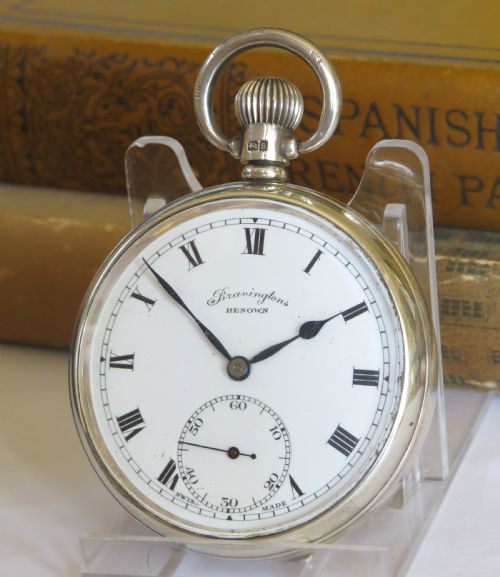
The wristwatches vary significantly in proportion, ranging from standard diameter cases to oversized jumbo formats. Pocket watches also appear, offering alternative pocket-carried timekeeping from the same manufacturing era.
Materials and construction
Cases combine stainless steel, chrome, gold plate, and solid gold, paired with glass or acrylic crystals and leather straps. Dials frequently incorporate enamel details and metal numerals.
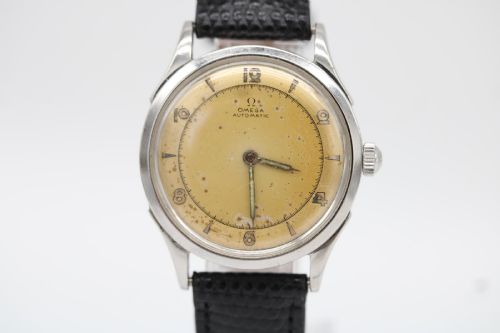
Movements rely on mechanical components, including automatic bumper mechanisms and chronograph complications, housed alongside metal and occasionally mother-of-pearl dial elements.
Listings span periods from the 1930s through to the 1950s, featuring materials such as solid gold, stainless steel, chrome, and leather.
Assessing quality in vintage timepieces
Distinction in these watches rests upon the calibre of the movement and the integrity of the case material, such as solid gold versus gold plate or chrome. Original dial preservation also separates standard survivors from higher-tier pieces.
Omega·Record·Venus·Revue·Longines·Roamer·Helvetia·Marvin·Enicar·Sperina·Cyma·Vertex·Ebana·Benrus·Le coultre·Mundus·Breitling·Bravingtons
The 1940s Swiss Watch Glossary
- Calibre
- The specific internal movement designation or model created by a watchmaker. This term allows collectors to identify the exact mechanical engine driving the timepiece.
- Chronograph
- A watch equipped with a stopwatch function alongside traditional timekeeping displays. These models feature additional pushers on the side of the case.
- Bumper automatic
- An early self-winding movement where the rotor swings back and forth against buffer springs rather than rotating fully. It imparts a distinct physical pulse to the wrist.
- Military issue
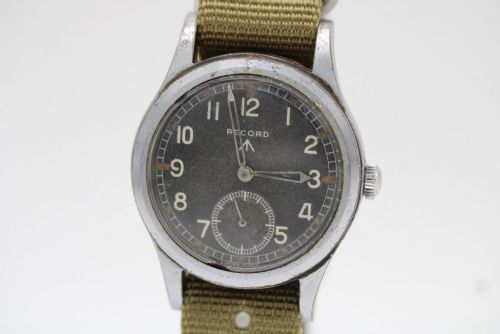
- Timepieces commissioned by armed forces for personnel, often featuring government marks on the case back. They were built strictly for legibility and durability under field conditions.
- Jumbo
- A colloquial term for a wristwatch with an unusually large case diameter for its era. These specimens command strong interest for wearing larger on the wrist.
1940s Swiss Watch: Frequently Asked Questions
How do military watches differ from civilian models?
Military pieces prioritise legibility and ruggedness, frequently displaying service markings on the case back and high-contrast dials for operational use.
Civilian versions focus more on decorative cases, precious metals, and varied dial aesthetics intended for daily dress wear.
What is a bumper automatic movement?
A bumper movement is an early self-winding mechanical system where an internal weighted rotor swings through an arc, hitting springs to wind the mainspring.
Owners can feel a gentle nudge on their wrist as the weight oscillates while they move about during the day.
Are pocket watches common from this period?
Pocket watches remain available alongside wristwatches, representing a transitional era when pocket carriage still overlapped with wrist usage.
They offer traditional pocket timekeeping housed in the same mid-century styling found on contemporary wrist models.
How do I wear a vintage watch safely?
Vintage timepieces require careful handling around water and moisture due to age and the absence of modern gasket sealing systems.
Manual wind and automatic models also benefit from gentle daily winding routines and periodic professional mechanical servicing.