


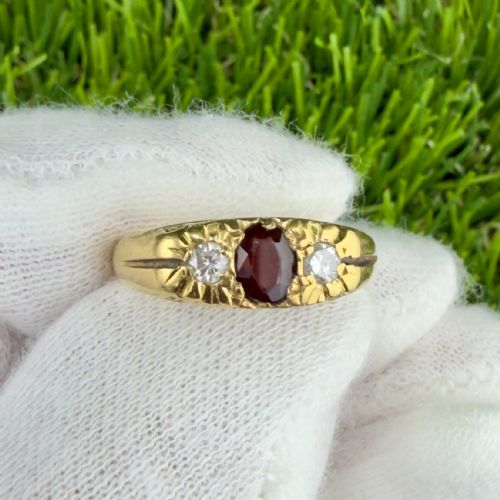
1940s Engagement Ring
A 1940s engagement ring brings together platinum, diamond, and ruby in enduring mid-century styles that buyers prize for their distinct character.
1940s Engagement Ring
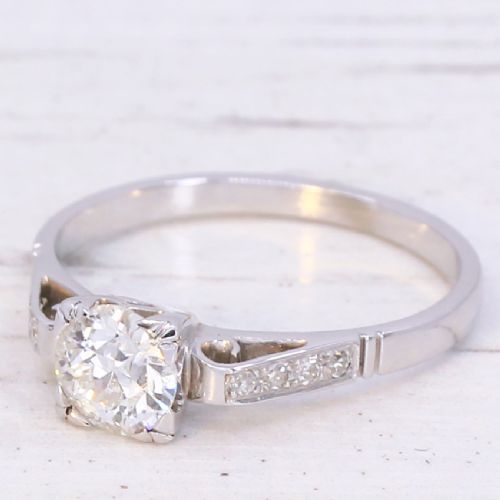
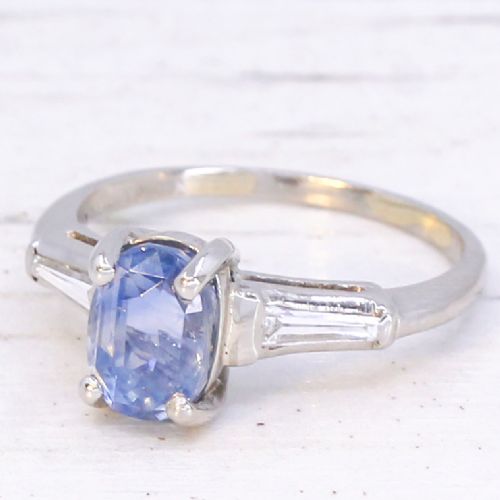
A 1940s engagement ring represents a specific period of mid-century design, predominantly featuring platinum alongside gold settings. The selection on this page centres on rings from around nineteen-forty, spanning vintage and Retro aesthetics alongside Art Deco survivals.
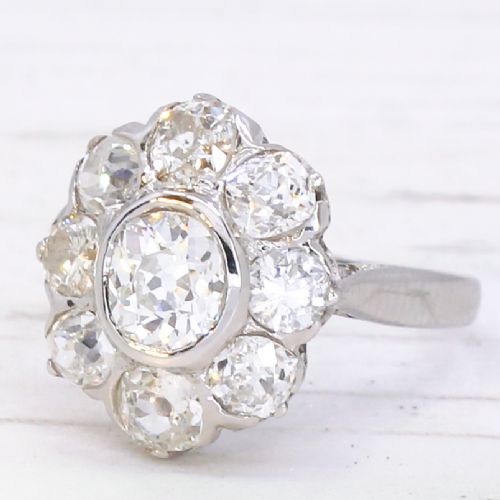
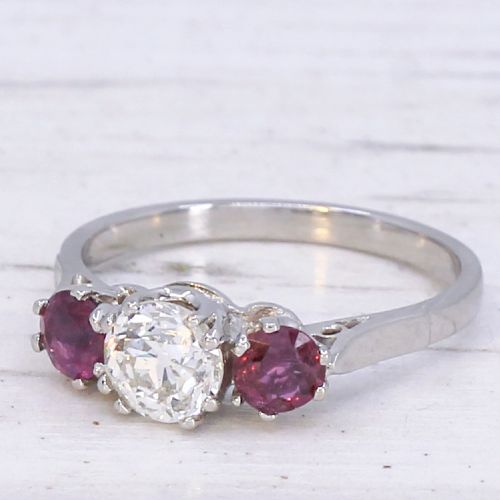
Buyers seeking this phrase encounter solitaire stones, three-stone configurations, and four-stone arrangements. Old cut diamonds dominate the central stones, occasionally paired with rubies to create striking colour contrasts.
Most pieces date strictly to the nineteen-forties, embodying the robust manufacturing and distinctive metalwork of that decade. These rings offer a tangible connection to mid-century craftsmanship without sacrificing everyday wearability.
Materials and construction
Makers utilised platinum extensively for its strength and bright white finish, alongside traditional eighteen-carat gold. These precious metals securely housed old cut diamonds and rubies using claw and bezel techniques typical of the era.
Gemstones were hand-selected for their individual proportions, resulting in unique old cut facets that catch light differently from modern brilliant cuts. The combination of durable platinum and carefully shaped gold formed resilient mountings designed to withstand daily use.
1940s Engagement Ring Retail Price Guide 2026
Typical asking prices for 1940s engagement ring among the pieces listed under this phrase on Sellingantiques today, from the lower quarter to the upper quarter. They describe what is for sale here now, not the wider market.
Listings on this site exclusively feature platinum, gold, diamond, and ruby materials originating from the nineteen-forties.
Distinguishing quality across the range
Quality in these rings rests upon the scale and brilliance of the central old cut diamond, alongside the precision of the platinum or gold metalwork. Larger carat weights and cleaner stone clarity elevate a piece significantly above standard examples.
The integration of secondary stones, such as rubies in three-stone layouts, demonstrates higher design ambition. Superior pieces display harmonious proportions between the metal setting and the focal gemstones, maintaining structural integrity alongside visual elegance.
The 1940s Engagement Ring Glossary
- Platinum
- A dense, durable precious metal utilised throughout the nineteen-forties for secure diamond settings. Its natural white lustre does not fade over time.
- Old cut
- A historic diamond facet style characterised by a smaller table and larger culet, engineered to sparkle under candlelight. These cuts predate modern brilliant geometry.
- Retro
- A bold mid-century design style spanning the nineteen-forties, known for prominent metalwork and architectural forms. It directly influences many rings from this era.
- Three-stone ring
- A mounting style featuring a prominent central gemstone flanked by two smaller side stones. In nineteen-forties examples, this layout often incorporates rubies alongside diamonds.
1940s Engagement Ring: Frequently Asked Questions
What defines a 1940s engagement ring?
These rings are defined by their mid-century provenance, typically constructed from platinum or eighteen-carat gold around nineteen-forty. They showcase old cut diamonds and occasionally rubies within Retro or Art Deco design frameworks.
Buyers choose them for their authentic period charm and substantial metal settings, which differ markedly from modern jewellery manufacturing.
Are these rings suitable for daily wear?
Platinum and eighteen-carat gold provide robust foundations suitable for regular daily use. The secure claw and bezel settings protect the central old cut diamonds during normal activities.
Routine inspection by a jeweller ensures the metalwork remains sturdy and the gemstones stay firmly anchored in their original mountings.
How do I identify an old cut diamond?
Old cut diamonds feature distinctive hand-polished facets, a smaller top table, and a visible small facet at the base known as a culet. These geometric traits produce a softer, broader flash of light compared to modern cut stones.
This specific cutting style remains a hallmark of genuine nineteen-forties rings and earlier antique jewellery.
Can I wear a 1940s ring with a modern wedding band?
Most mid-century engagement rings pair easily with plain gold or platinum wedding bands due to their classic metallic composition. The straightforward profiles of nineteen-forties settings allow bands to sit flush against the engagement ring.
Matching the metal type helps prevent premature wear between the two adjacent rings over years of daily use.