
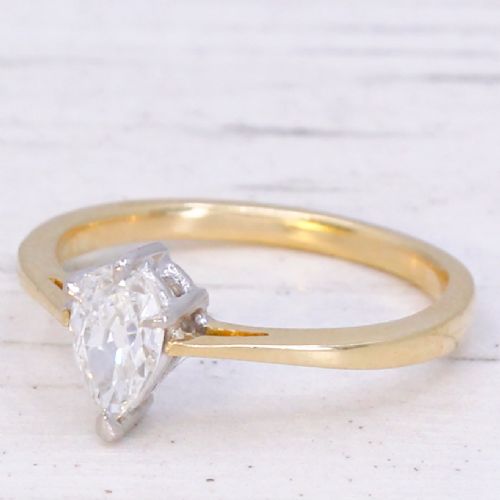
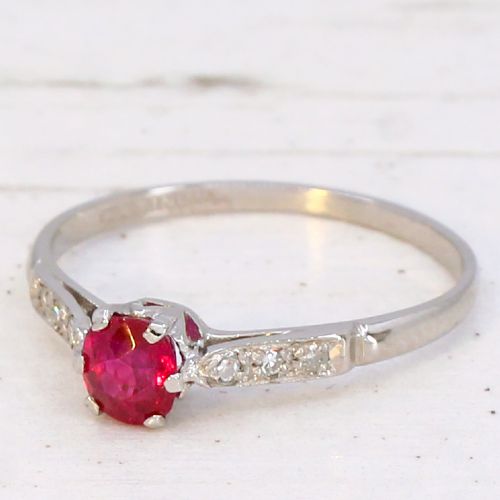

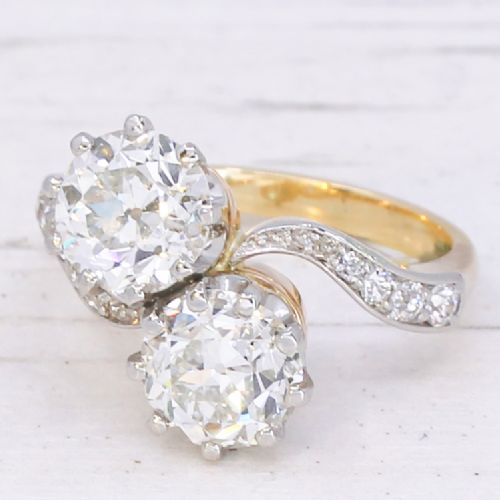


1935 Art Deco Platinum Ring
When you handle a 1935 art deco platinum ring, you hold geometric precision paired with the bright gleam of mid-period design.
1935 Art Deco Platinum Ring
A 1935 art deco platinum ring embodies the geometric styling and architectural forms characteristic of the period. These pieces appear as engagement rings, dress rings, cocktail rings, and eternity bands.
The version you are most likely to meet on this page combines a central diamond with platinum settings, often accompanied by rubies, sapphires, or emeralds. Solitaire, three stone, and cluster configurations dominate the forms recorded in the evidence.
Materials and Construction
Platinum serves as the primary metal for these jewels, valued for its strength in holding intricate gem settings without bulk. Gold in yellow and white forms also appears alongside the predominant platinum pieces.
Diamonds cut in old European, old pear, and old styles are mounted alongside unheated Burmese and Ceylon sapphires, Mogok rubies, and Colombian or Zambian emeralds.
The listings on this page span the 1920 and 1930 periods, incorporating diamond, platinum, emerald, sapphire, yellow gold, ruby, gold, and white gold.
Evaluating Quality
Quality rests in the proportion and cut of the central stones, particularly old cut diamonds and natural, untreated rubies, sapphires, or emeralds. The precision of the platinum work and the harmony between the principal gem and surrounding accent stones dictate the distinction of an item.
The 1935 Art Deco Platinum Ring Glossary
- Platinum
- A dense, durable white metal used extensively in the period to secure fine gems with minimal visible metal. Its strength allowed for delicate openwork designs.
- Old European Cut
- A round diamond cut common in the early twentieth century featuring a small table, heavy crown, and a large open culet. It produces a distinctive pattern of light distinct from modern brilliant cuts.
- Toi et Moi
- A ring style translating to You and Me featuring two main gems placed side by side or close together, symbolizing two souls intertwined.
- Eternity Ring
- A band set continuously around the hoop with gemstones symbolising endless love. These appear in full diamond configurations.
- Cabochon
- A gemstone shaped and polished with a smooth, rounded domed surface rather than faceted. This cut is frequently utilised for large sapphires.
1935 Art Deco Platinum Ring: Frequently Asked Questions
What defines a 1935 art deco platinum ring?
These pieces are characterised by strict geometric lines, stylized motifs, and the use of strong white metals. They reflect the late phase of the aesthetic movement.
Settings are typically fabricated in platinum to support diamonds, emeralds, sapphires, and rubies in engagement and cocktail configurations.
How were these rings worn originally?
Original owners wore them as daily tokens of betrothal or as statement pieces for evening social events. Cocktail and dress rings were chosen to display colour and scale.
Solitaire and engagement formats were worn on the fourth finger, often paired alongside wedding bands of matching precious metals.
Can I wear mine every day?
Platinum provides a robust foundation for daily wear due to its durability and resistance to wear. Care should still be taken with softer coloured gems.
Regular checks by a jeweller ensure that stone settings remain secure within the platinum framework during routine use.
How do I identify the period?
Identification relies on stylistic markers such as symmetry, step-cut side stones, and the specific shaping of old cut diamonds. Platinum was the metal of choice for fine work.
Construction techniques match the manufacturing standards prevalent around the mid-1930s, bridging earlier geometric trends with later elegance.