



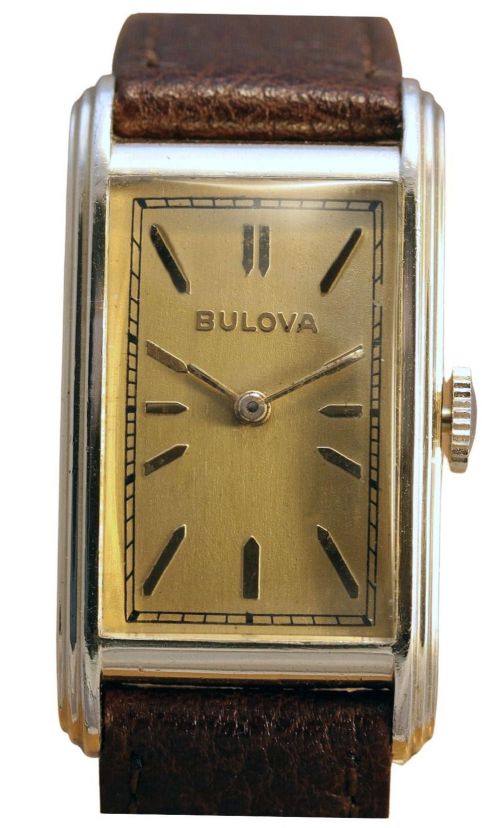

1930s Wrist Watch
A 1930s wrist watch brings unmistakable Art Deco geometry and mechanical character to the wrist, offering a direct link to interwar horology.
1930s Wrist Watch
A 1930s wrist watch encompasses men's dress and aviator pieces alongside intricate ladies' cocktail designs. These items represent a pivotal decade when wristwatches firmly supplanted pocket watches in daily utility.
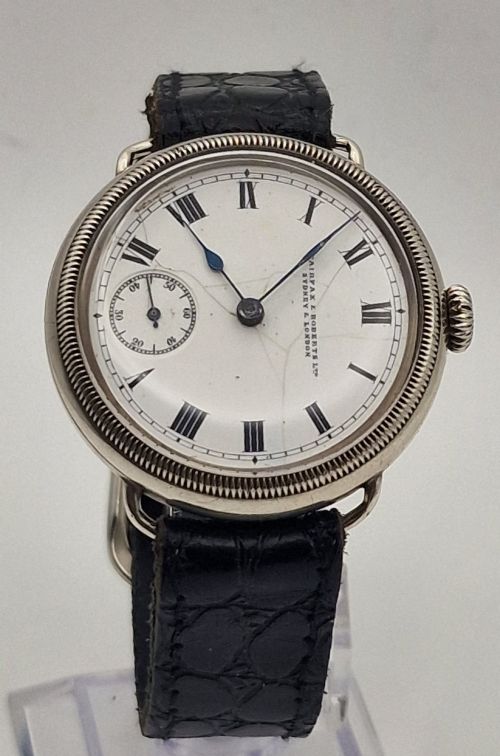
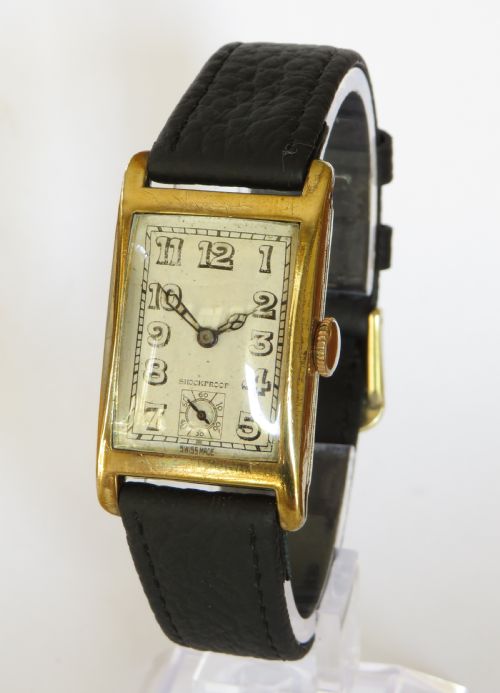
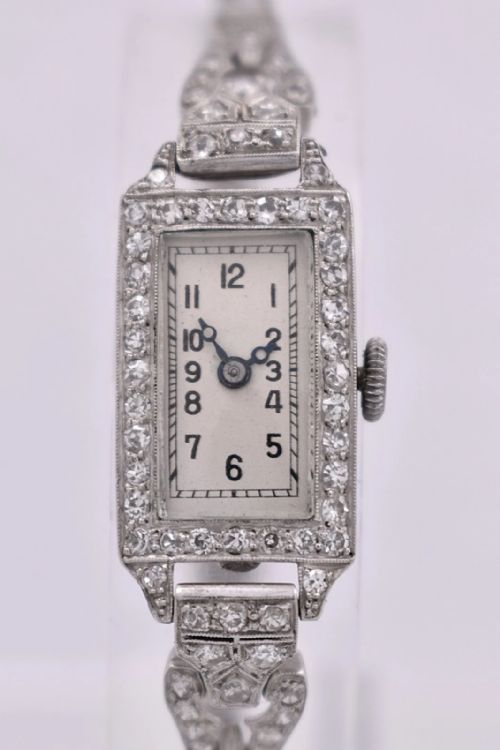
The most common examples on this page are men's manual-wind timepieces displaying distinct Art Deco geometry, alongside platinum and diamond ladies' cocktail watches. Makers such as Elgin, Omega, and Zenith populate these examples from the nineteen thirties.
Forms range from curved rectangular cases to traditional round dials housed in silver, gold plate, or stainless steel. Leather straps complete the utilitarian pieces, while precious metals define the formal dress styles.
Quality factors in interwar horology
The horological quality of a 1930s wrist watch rests upon the sophistication of its movement, such as Swiss jewelled lever escapements versus simpler pin-pallet mechanisms. Precision engineering by established makers elevates both reliability and mechanical interest.
Material choice and case finishing dictate the upper tiers of the range, distinguishing platinum and diamond cocktail pieces or solid white gold dress models from basic chrome or gold-plated utility alternatives.
1930s Wrist Watch Retail Price Guide 2026
Typical asking prices for 1930s wrist watch among the pieces listed under this phrase on Sellingantiques today, from the lower quarter to the upper quarter. They describe what is for sale here now, not the wider market.
Hahn Landeron·Rotary Claridge·Omega·Zenith·Asprey·Elgin·Larex·Le Coultre·Bulova
The 1930s Wrist Watch Glossary
- Art Deco
- A design style dominant in the nineteen thirties characterised by symmetrical geometric shapes, streamlined forms, and sharp lines. This aesthetic heavily influences the dial layouts and case architecture of the era.
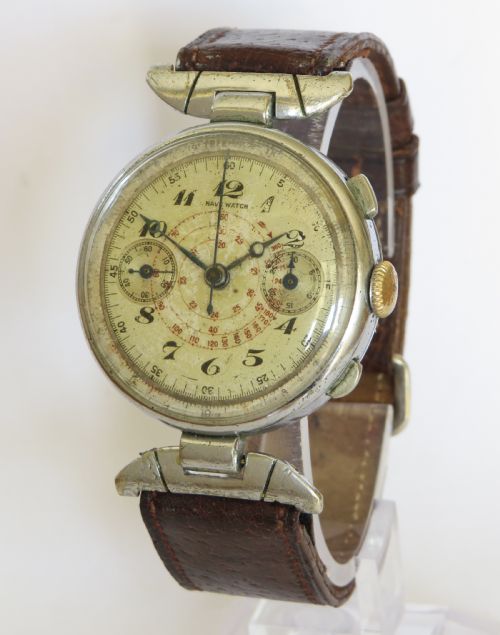
- Chronograph
- A watch equipped with a stopwatch function alongside the standard time-display capability. These complications often feature specialised sub-dials driven by movements like the Landeron.
- Curvex
- A curved wristwatch case design conforming to the contour of the wrist. This technique allows mechanical movements to sit comfortably within an ergonomic profile.
- Hermetic
- A dust and moisture resistant case construction utilised to protect early movements from environmental ingress. These designs often feature an inner sealing cap beneath the outer case.
- Jewelled lever
- An escapement mechanism utilising synthetic rubies to reduce friction on pivot points. This component marks higher grade horological manufacturing of the period.
1930s Wrist Watch: Frequently Asked Questions
How do I wind a 1930s wrist watch?
Wind the crown gently in a clockwise direction until firm resistance is felt, avoiding over-winding to protect the mainspring.
Perform this action at a consistent time each day if worn regularly.
Can I wear a 1930s wrist watch daily?
While these pieces were built for everyday use, their age requires careful handling and avoidance of modern water exposure.
Occasional wear suits them best, preserving the mechanical components and delicate glass crystals.
What is a cocktail watch?
A cocktail watch is a small, formal ladies' timepiece designed primarily as evening jewellery rather than a utilitarian accessory.
These pieces frequently feature platinum cases encrusted with diamonds and concealed dials.
How do I identify an Art Deco watch?
Look for rectangular or square cases, stepped bezels, stylized numeral fonts, and geometric engraving on the metalwork.
These design cues reflect the modernist architecture and decorative arts of the nineteen thirties.