




1930s Wooden Floor Lamp
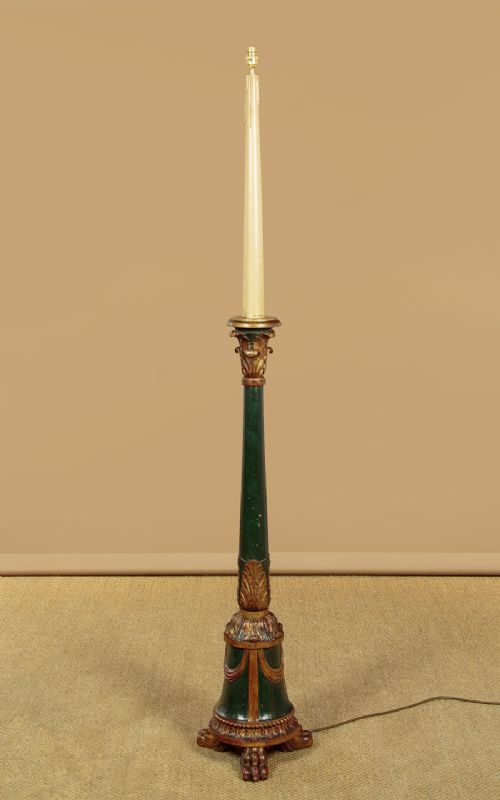
A 1930s wooden floor lamp brings architectural warmth and striking geometry to a room, offering both character and functional illumination.
1930s Wooden Floor Lamp
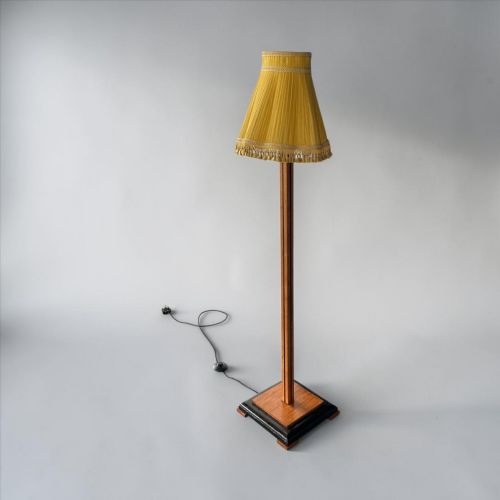
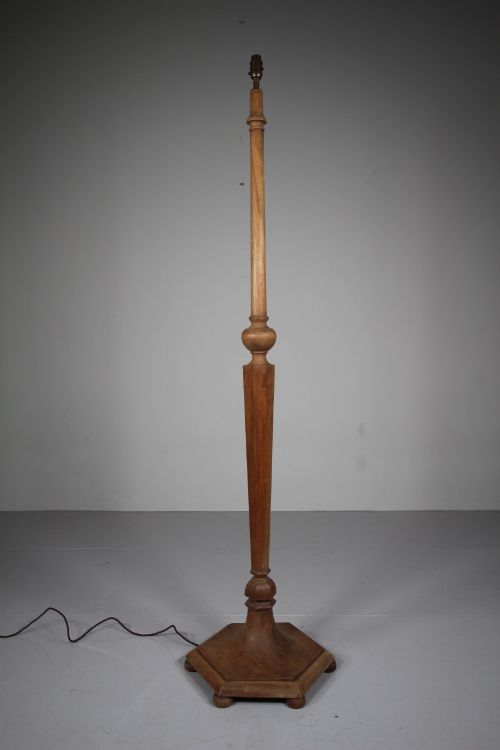
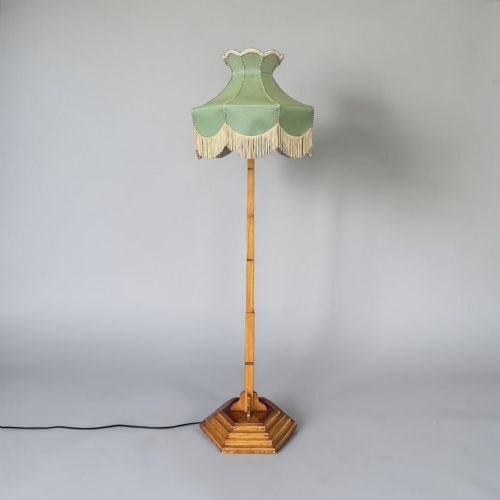
A 1930s wooden floor lamp encompasses standard lamps and floor lamps designed during the Art Deco period and Neoclassical Revival style. These upright light fixtures provide ambient lighting while serving as sculptural furniture pieces within a room.
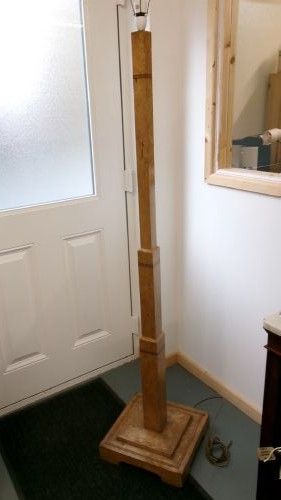
Buyers are most likely to encounter standard lamps fashioned from oak and walnut, often featuring the tiered or stepped profiles characteristic of the era. Some examples combine wood with brass accents or incorporate small lamp tables into their design.
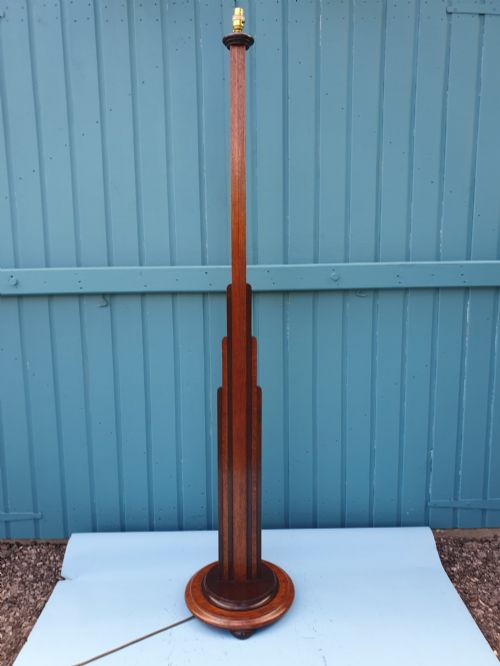
The selection ranges from simple oak standards to more elaborate blonde walnut and giltwood creations. Pieces from this era frequently adopt the distinctive Odeon or skyscraper silhouette that defined interwar interior design.
How they were made
These lamps rely on cabinetmaking techniques applied to hardwoods such as oak and walnut. Timbers are turned, carved, or veneered to achieve the clean vertical lines and geometric stepped forms associated with Art Deco design.
Surface finishes include polish and paint, alongside giltwood and gold leaf applications for more decorative pieces. Details such as ebony inlays or brass fittings complement the primary wooden structure.
Many examples are paired with fabric shades that diffuse light across the polished timber grain. The construction balances structural stability at the base with a slender upright shaft designed to house internal wiring safely.
1930s Wooden Floor Lamp Retail Price Guide 2026
Typical asking prices for 1930s wooden floor lamp among the pieces listed under this phrase on Sellingantiques today, from the lower quarter to the upper quarter. They describe what is for sale here now, not the wider market.
Several lamps include attached tables, proving that interwar designers understood the eternal struggle of where to put a teacup.
What varies in quality
Quality in a 1930s wooden floor lamp is determined by the choice of timber and the precision of its joinery. Selected grain patterns in walnut or oak elevate the visual impact compared to plain painted finishes.
The sophistication of the silhouette sets finer examples apart, particularly those featuring complex Odeon or skyscraper styling rather than plain turned columns. The integration of secondary materials like brass or ebony also denotes higher craftsmanship.
The 1930s Wooden Floor Lamp Glossary
- Standard lamp
- A tall freestanding floor lamp designed to illuminate a room from standing height rather than a table.
- Art Deco
- A design style spanning the 1920s and 1930s characterised by streamlined geometric forms, stepped profiles and modern materials.
- Giltwood
- Wood that has been treated with gold leaf or a gold-coloured finish to create a decorative metallic surface.
- Odeon style
- An architectural and decorative motif from the 1930s featuring stacked tiers reminiscent of grand cinema buildings and skyscrapers.
- Blonde walnut
- A lighter-toned variety of walnut timber popular for its warm grain during the early twentieth century.
1930s Wooden Floor Lamp: Frequently Asked Questions
What is a standard lamp?
A standard lamp is simply the traditional British term for a tall floor lamp designed to stand on the floor and hold a lampshade at a height suitable for ambient room lighting.
These fixtures became popular additions to domestic interiors during the early twentieth century as electrical lighting grew more common in homes.
How do I style a 1930s floor lamp?
Position the lamp in a corner or beside a seating area where its vertical form can complement existing furniture without obstructing movement.
Pair the piece with complementary vintage or contemporary furnishings that echo the clean lines and geometric aesthetic of the Art Deco period.
What woods were used?
Cabinetmakers primarily utilised oak and walnut for these floor lamps, often selecting figured grains to enhance the appearance of the timber.
More decorative examples incorporate specialist finishes such as giltwood, gold leaf, or painted surfaces alongside contrasting details in ebony.
How do I identify the period?
Look for characteristic design motifs such as stepped skyscraper silhouettes, tiered wooden bases, and the distinctive geometry associated with the Art Deco movement.
The use of specific materials like blonde walnut, combined with traditional construction methods dating to the interwar decades, helps confirm the era.