


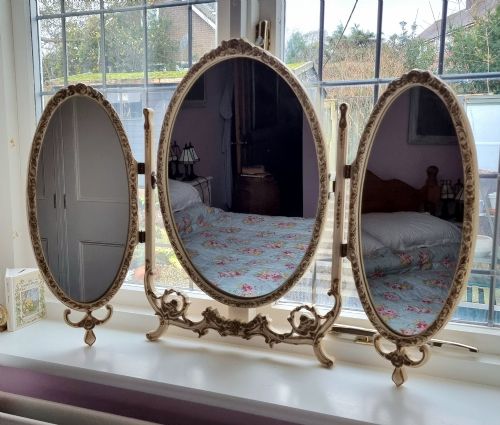
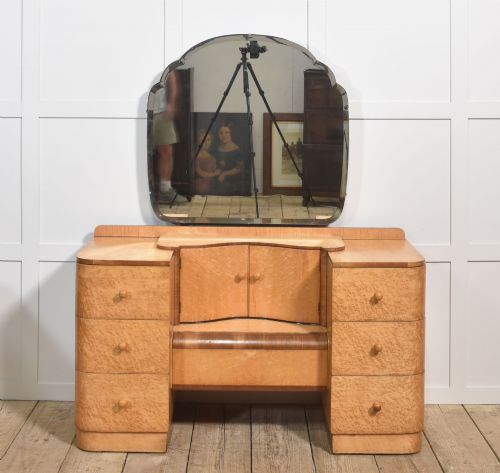
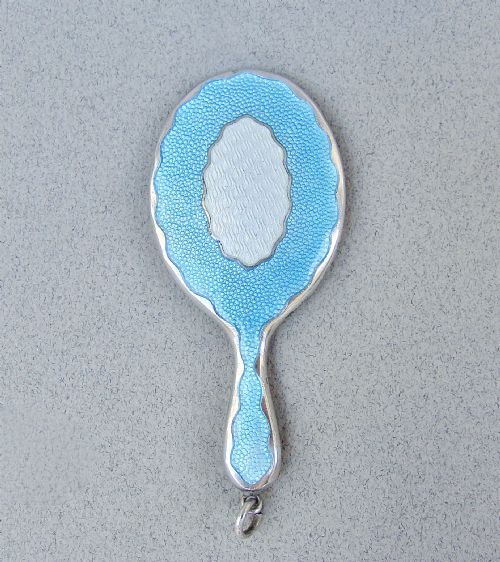
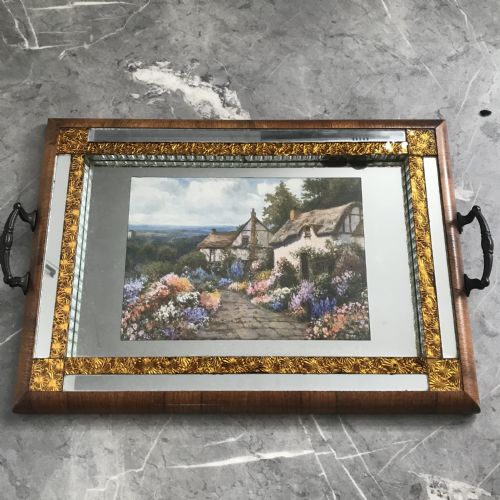
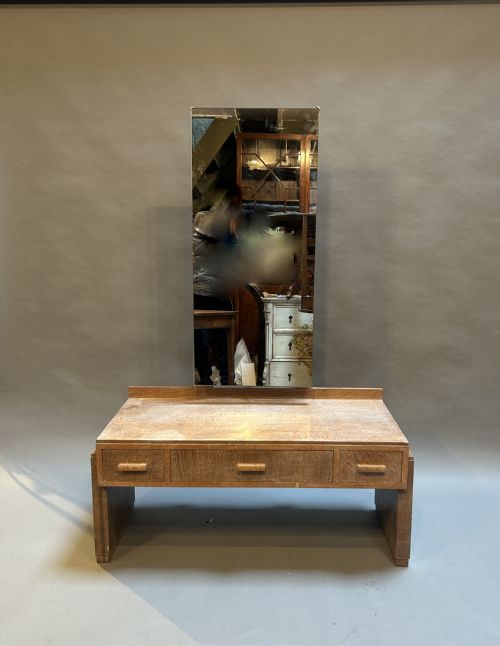

1930s Table Mirror
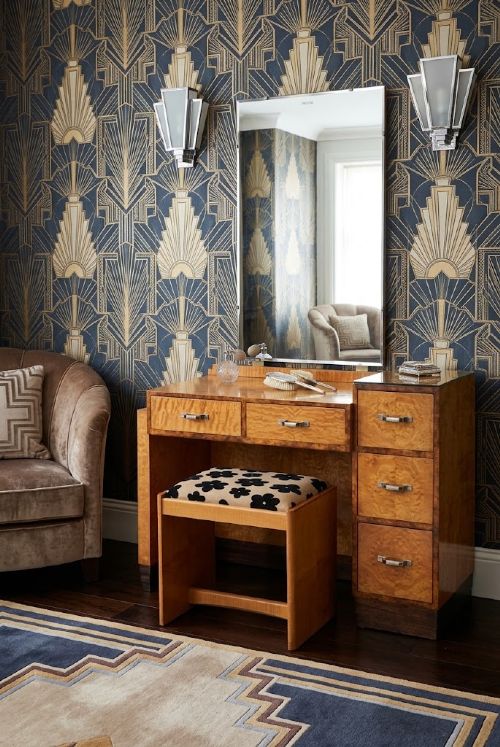
A 1930s table mirror brings clean geometry and reflected light to a dressing surface, offering a practical glass set within period frames.
1930s Table Mirror
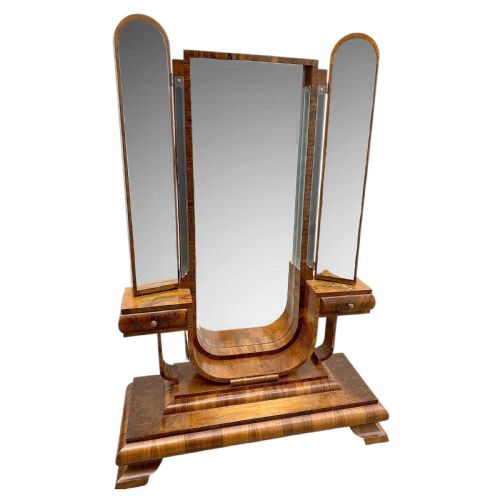
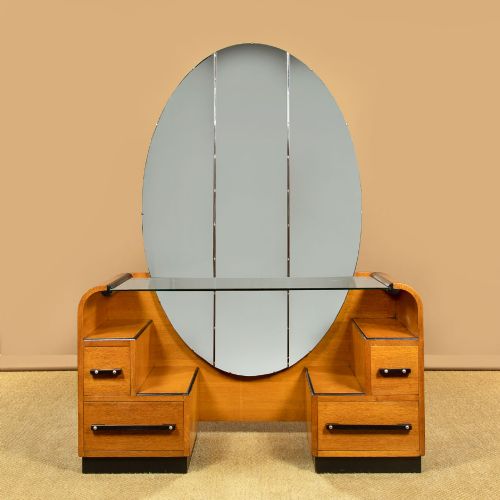
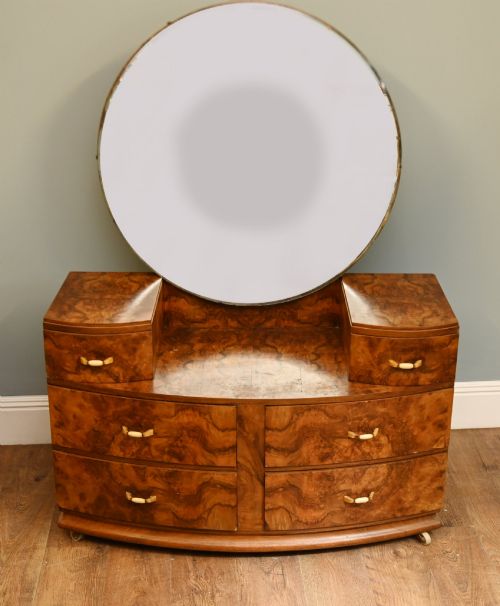
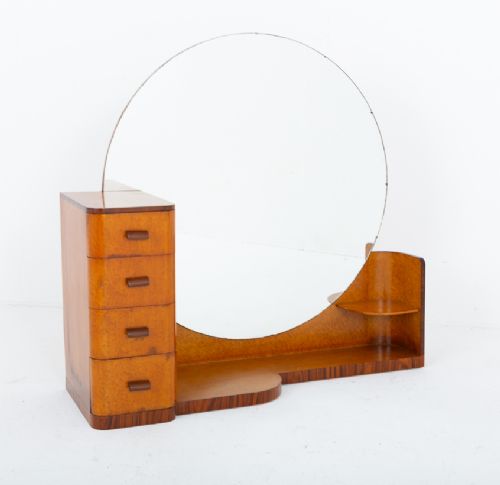
When you search for a 1930s table mirror, you encounter small glass pieces designed for dressing chests and vanity tables. These objects reflect the dominant design ethos of the interwar decades through geometric framing and adjustable stands.
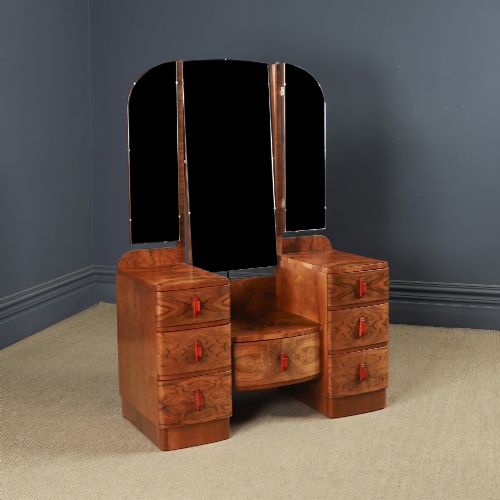
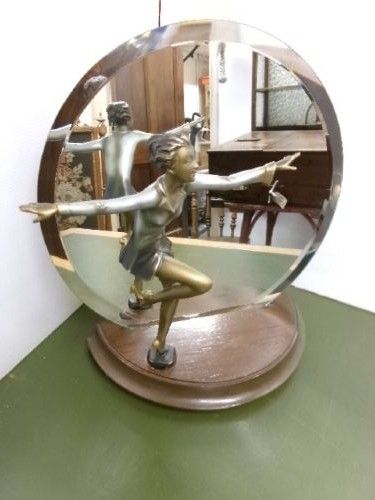
The pieces listed on this page appear primarily within the Art Deco style, alongside related forms from the 1910 and 1920 periods. Makers incorporated these mirrors onto larger dressing tables or produced them as standalone easel pieces for domestic boudoirs.
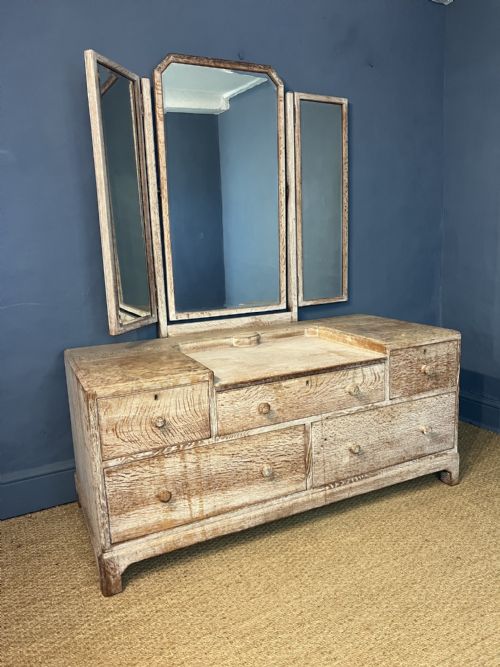
Surviving examples range from simple pivoting plates on modest wooden feet to triple-panelled configurations designed to catch light from multiple angles. Their primary purpose remained personal grooming, yet their sculptural qualities served decorative roles in period interiors.
Assessing quality in period mirrors
Quality in a 1930s table mirror rests on the precision of the cabinetwork and the integration of materials. Superior pieces display carefully matched veneer grains across the frame and seamless joins where wood meets metal.
The weight and clarity of the mirror glass itself distinguish finer examples from standard production. Robust easel backs and smoothly functioning brass or chrome pivot mechanisms indicate higher manufacturing standards.
1930s Table Mirror Retail Price Guide 2026
Typical asking prices for 1930s table mirror among the pieces listed under this phrase on Sellingantiques today, from the lower quarter to the upper quarter. They describe what is for sale here now, not the wider market.
Henry Williamson·Heals·Maurice Adams·Harry and Lou Epstein·Smiths Clock Company·Gaylayde·B Cohen and Sons
The 1930s Table Mirror Glossary
- Art Deco
- A design style spanning the 1920s and 1930s characterised by sleek lines, geometric shapes, and stylised ornamentation. It replaced more elaborate Victorian and Edwardian aesthetics with modern simplicity.
- Burr Walnut
- A prized wood cut from the abnormal growth knots of a walnut tree, yielding intricate, swirling grain patterns. Cabinetmakers utilised this timber on prominent surfaces for high-end furniture and mirror frames.
- Easel Back
- A hinged strut attached to the rear of a tabletop object that allows it to stand at an angle without wall mounting. This mechanism permits easy adjustment of the viewing angle.
- Guilloche Enamel
- A decorative technique where transparent enamel is layered over machine-turned metal engraving. This process creates repeating geometric patterns beneath a glossy coloured surface.
- Triple Mirror
- A configuration featuring a central mirror flanked by two smaller, hinged side panels. This arrangement enables the user to view profiles from multiple angles simultaneously.
1930s Table Mirror: Frequently Asked Questions
How do I clean a vintage mirror glass?
Use a soft microfibre cloth and a mild, ammonia-free glass cleaner sprayed lightly onto the cloth rather than directly onto the glass. Avoid getting moisture into the edges where the silver backing may have deteriorated over time.
Take care around old wooden or metal frames, ensuring liquid does not seep into vulnerable joints or original finishes. Gentle, regular dusting is often sufficient for maintaining the surface.
Where should I place a table mirror?
Position the piece on a sturdy chest of drawers, sideboard, or dedicated dressing table where it receives indirect natural light. Placing it opposite a window will help bounce light around the room and brighten the space.
Ensure the surface is level so the adjustable pivots do not strain under uneven weight distribution. Keep the mirror away from direct, harsh sunlight to protect wood veneers and metal finishes from fading.
How do I identify Art Deco style?
Look for symmetrical geometries, stepped forms, and streamlined silhouettes that reject heavy historical revivalism. Materials like chrome, mirrored glass, and exotic wood veneers dominate this visual vocabulary.
Details often include contrasting inlay bands, circular motifs, and clean planes that emphasise horizontal or vertical lines. The overall impression prioritises functional elegance over superfluous ornamentation.