


1930s Solitaire Ring
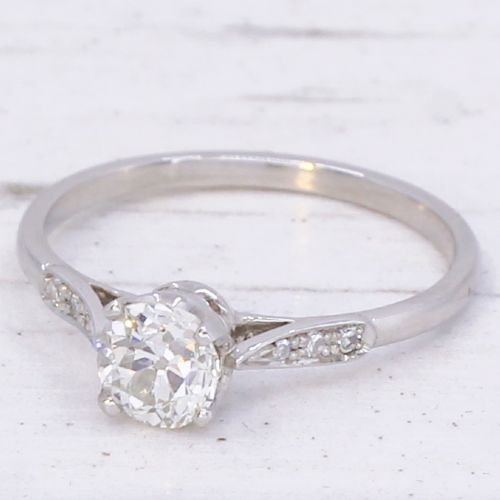
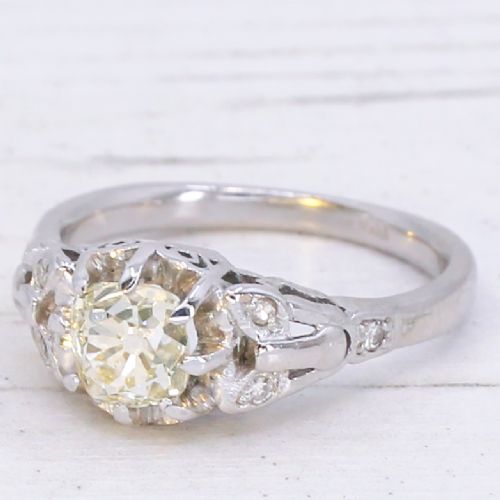
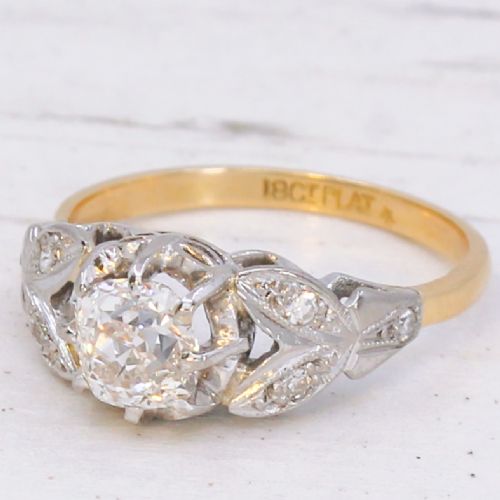
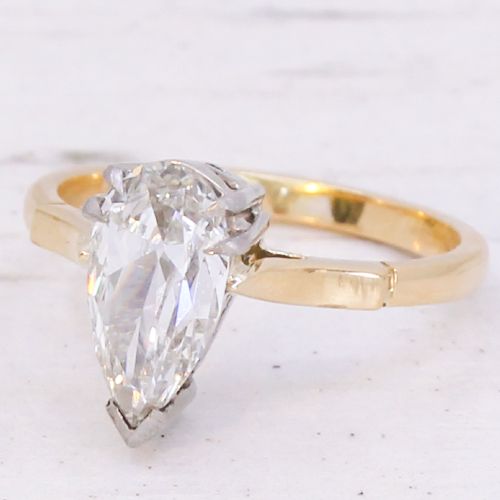
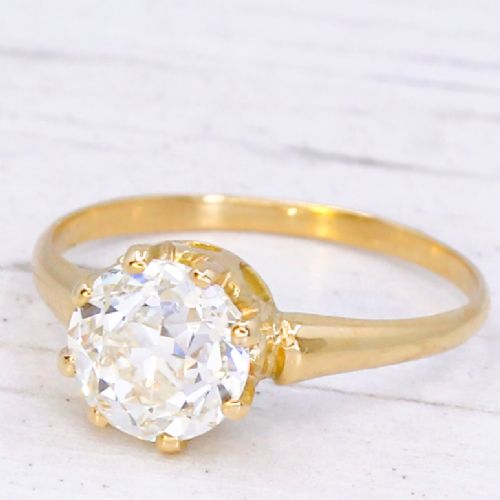
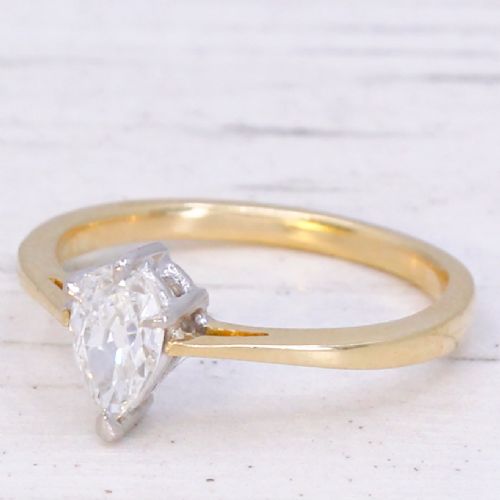
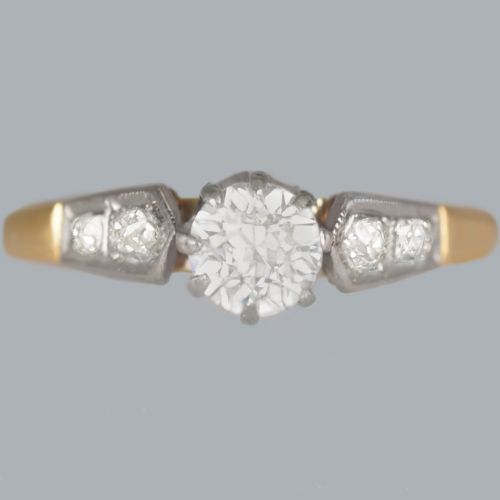
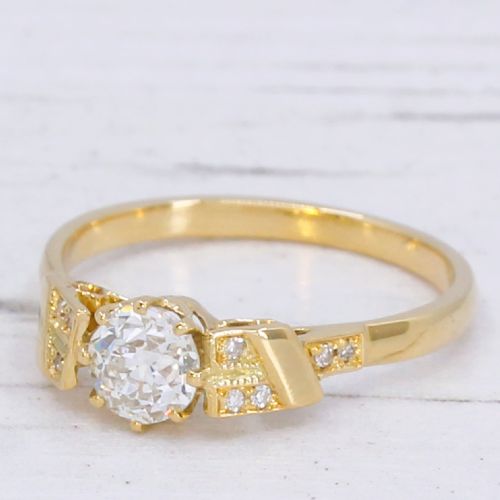
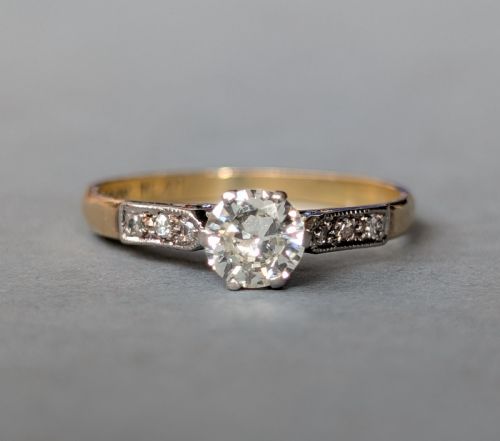
A 1930s solitaire ring brings unmistakable Art Deco geometry and hand-cut stones to the finger.
1930s Solitaire Ring
A 1930s solitaire ring typically centres on a single prominent gemstone, most frequently an old cut diamond set within an engagement ring format.
The aesthetic is heavily rooted in the Art Deco style, displaying clean architectural lines and geometric mounts.
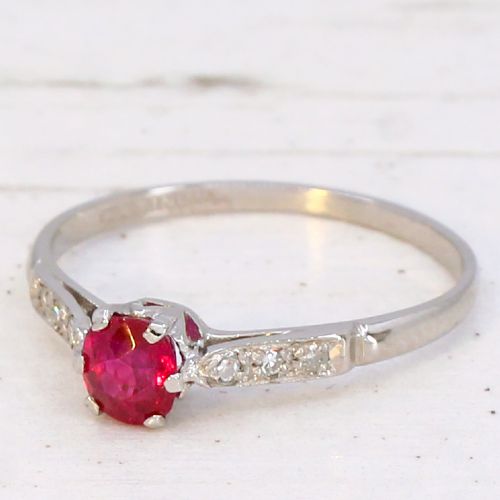
While diamonds dominate the selection, examples featuring sapphires, rubies, emeralds, zircons, and amethysts also appear from this period.
Judging Quality and Craftsmanship
The standard of a piece rests heavily on the optical liveliness and facet symmetry of the hand-cut central gem.
Finely executed millegrain detailing and crisp geometric piercing along the platinum claws distinguish superior metalwork from simpler designs.
1930s Solitaire Ring Retail Price Guide 2026
Typical asking prices for 1930s solitaire ring among the pieces listed under this phrase on Sellingantiques today, from the lower quarter to the upper quarter. They describe what is for sale here now, not the wider market.
Materials recorded across these items include platinum, 18ct yellow gold, white gold, 9ct gold, and 14ct gold alongside various gemstones.
The 1930s Solitaire Ring Glossary
- Solitaire
- A ring featuring a single set gemstone designed to draw the eye entirely to the central stone.
- Old Cut
- A hand-faceted diamond cut characteristic of older periods, possessing smaller tables and higher crowns than modern stones.
- Platinum
- A dense, durable white metal widely utilised in the period for secure, low-profile gemstone settings.
- Millegrain
- A decorative technique creating a fine, beaded border along the edges of the metal mount.
- Art Deco
- A design style spanning the 1920s and 1930s characterised by symmetry, geometric forms, and streamlined elegance.
1930s Solitaire Ring: Frequently Asked Questions
What defines a 1930s diamond solitaire?
These pieces focus attention on a single hand-cut diamond, typically an old European or transitional cut rather than a modern brilliant.
The metalwork often incorporates platinum to hold the stone securely while keeping the surrounding framework delicate.
Are all these rings made of platinum?
Platinum is exceptionally common, particularly for the claw settings that grip the diamond, but many examples combine it with 18ct yellow gold or white gold.
Some variations also utilise 9ct gold or 14ct gold for the main band structure.
Can I find coloured stones from this era?
While diamonds are the most frequent find, the period also produced solitaire and feature rings set with rubies, sapphires, emeralds, and amethysts.
Many of these coloured stones are paired with diamond shoulders on the band.
How do I care for an old cut ring?
Hand-cut stones and delicate platinum settings benefit from gentle cleaning with warm soapy water and a soft brush rather than harsh ultrasonic treatments.
Regular checks by a jeweller ensure the vintage claws remain tight and secure.