




1930s Silver Table Accessories
These 1930s silver table accessories bring distinct geometric character and daily utility to a dining room through pieces created during the Art Deco and George V periods.
1930s Silver Table Accessories
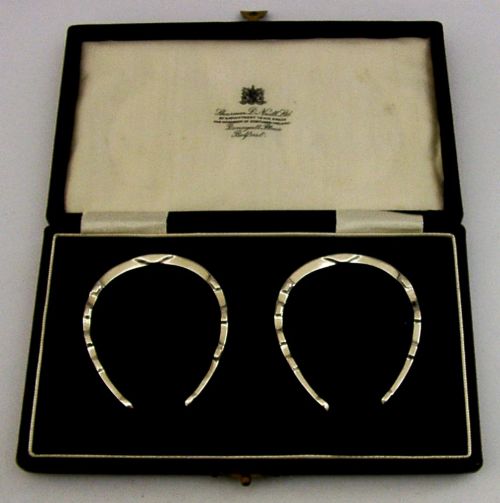
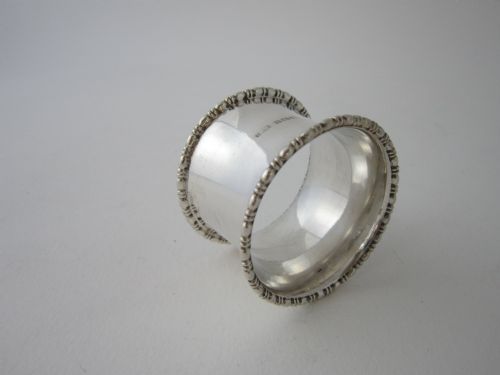
When searching for 1930s silver table accessories, collectors encounter a focused range of functional items designed for dining and personal grooming. The selection on this page centres primarily on napkin rings, smoking accessories, scent bottles, and knife rests.
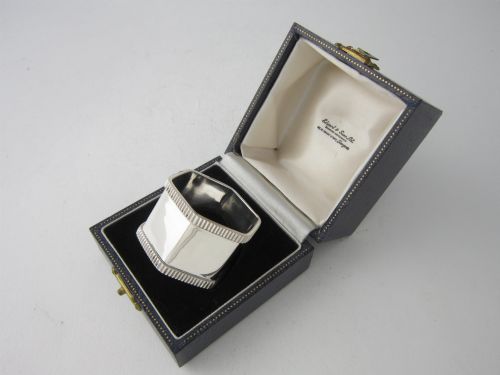
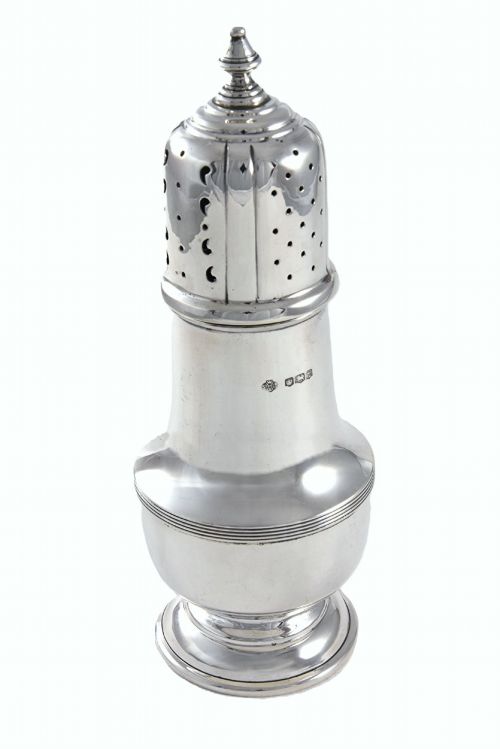
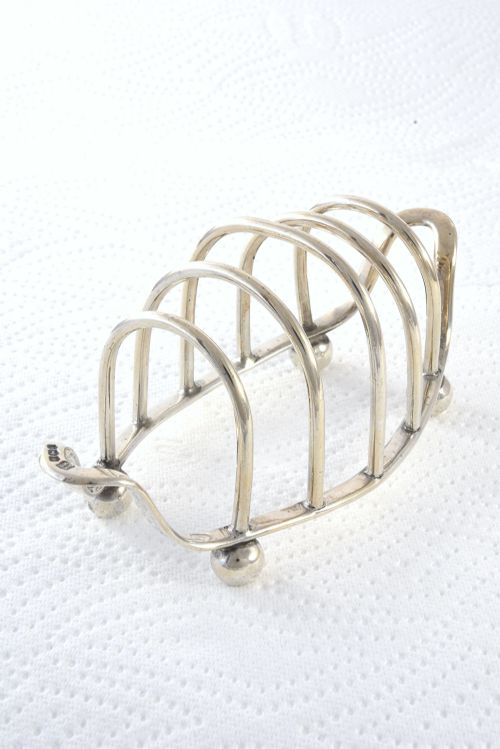
Most items stem from the 1930 decade, spanning the George V and George VI reigns alongside Art Deco and Arts and Crafts styles. Common forms include cased napkin ring sets, toast racks, sugar casters, and place card holders made for the dining table.
How they were made
Makers utilised sterling silver and silver plate as primary structural metals, often combining them with cut glass, velvet, satin, and fabric. Enamel work, particularly guilloche variants, added colour to perfume bottles, atomizers, and compact dresser items.
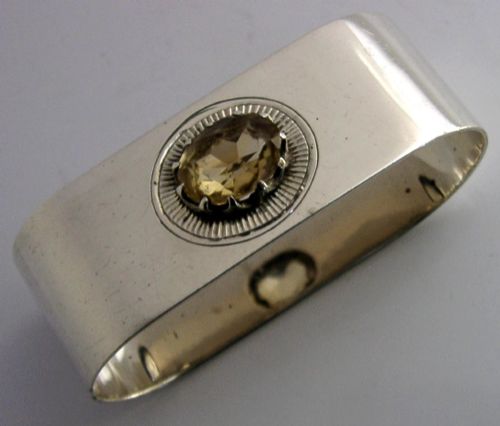
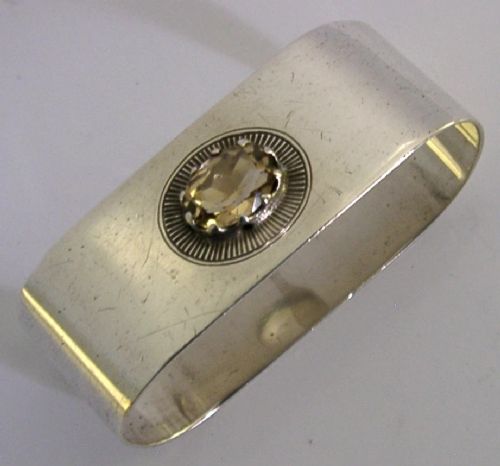
Techniques relied on traditional silversmithing methods alongside modern geometric shaping typical of the period. Stones such as citrine were occasionally set into silver mounts on items like napkin rings to provide contrast.
The inventory spans items created under the George V and George VI reigns alongside Art Deco and Arts and Crafts designs.
What varies in quality
Quality differences rest largely on the crispness of the Art Deco lines, the weight of the silver, and the condition of applied enamel or glass components. Pieces by documented makers show superior finishing in hinges, bezels, and engraved details.
The survival of original fitted cases and matching sets elevates certain groupings, particularly cased napkin rings or complete smoking sets. Simpler utilitarian items display plainer surfaces with less intricate decorative intervention.
Karl Palda·Mappin & Webb·Asprey & Co.
The 1930s Silver Table Accessories Glossary
- Guilloche enamel
- A decorative technique where a precise mechanical pattern is engraved beneath translucent enamel. It appears frequently on 1930s perfume bottles and dresser accessories.
- Sterling silver
- An alloy containing a high proportion of pure silver combined with other metals to increase durability. Most British table items carry hallmarks verifying this standard.
- Knife rest
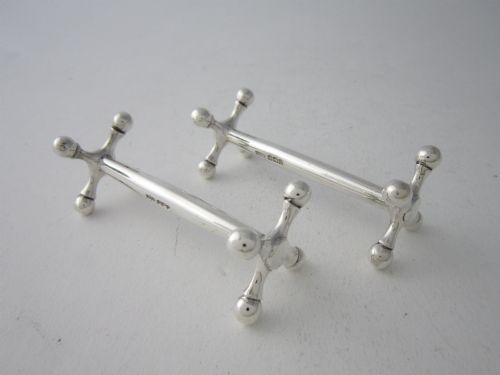
- A small support placed beside a plate to keep cutlery off the tablecloth between courses. They often appear in matching pairs from the George VI period.
- Sugar caster
- A perforated container used for sprinkling sugar over food. Examples from this era frequently adopt clean, modernist cylindrical profiles.
1930s Silver Table Accessories: Frequently Asked Questions
How do I clean silver table accessories?
Use a soft cloth and a gentle silver polish specifically formulated for sterling items to preserve hallmarks and fine details. Avoid abrasive materials that can scratch softer metals or damage enamel surfaces.
For pieces incorporating glass or fabric components, keep moisture away from glued seams and velvet linings. Store items in dry environments to slow down natural tarnishing.
Are these items suitable for daily use?
Many pieces like napkin rings, knife rests, and toast racks were designed for practical dining and withstand regular handling well. Solid silver cleans easily and maintains structural integrity over decades of use.
Fragile items involving glass bottles, atomizers or delicate enamel require more careful handling. Hand washing is essential to protect historical materials from modern dishwashers.
How can I tell George V from George VI pieces?
Hallmarks provide the definitive guide, showing the reigning monarch's profile stamp alongside assay office marks and date letters. George V reigned until 1936, while George VI stamps cover the remaining years of the decade.
Stylistic shifts also help distinguish the eras, with earlier items leaning towards traditional Arts and Crafts influences and later pieces fully embracing streamlined Art Deco geometries.
What materials are combined with silver?
Makers frequently paired sterling silver with cut glass for scent bottles and dresser jars. Coloured enamel work appears regularly on atomizers, mirrors, and vanity sets.
Stones like citrine adorn decorative napkin rings, while interior elements sometimes feature satin, velvet, or specialised fabric linings inside presentation cases.