



1930s Silver Cocktail Shaker
When you search for a 1930s silver cocktail shaker, you seek the geometric elegance and gleaming barware of the Art Deco era.
1930s Silver Cocktail Shaker
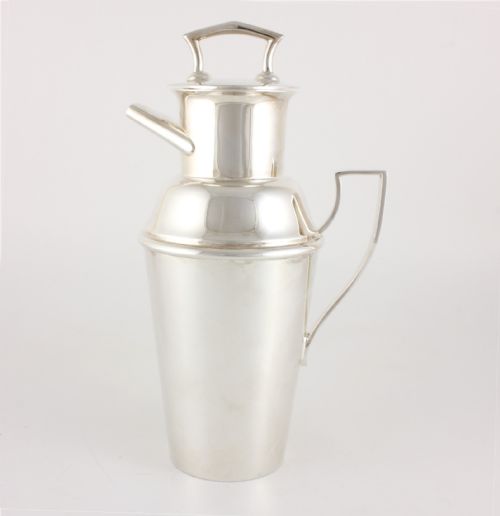
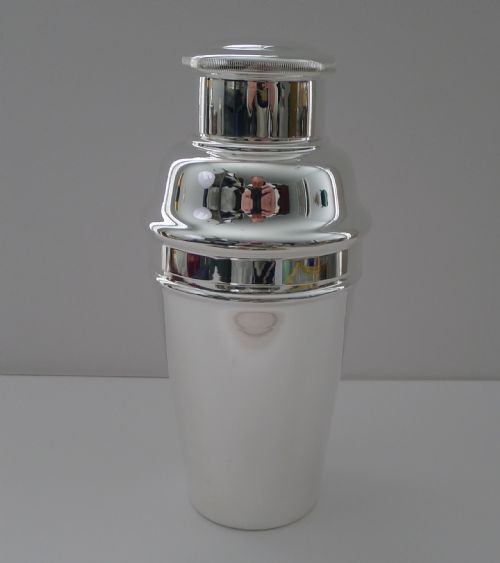
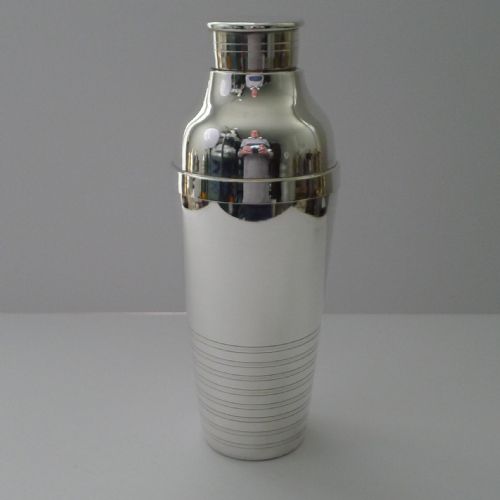
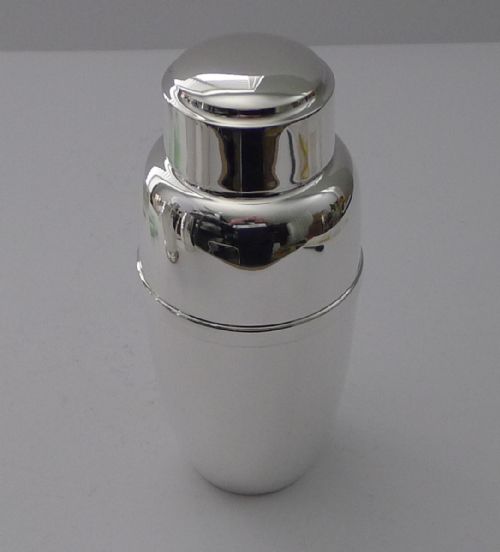
A 1930s silver cocktail shaker typically takes the form of a cylindrical or stepped metal vessel designed for mixing drinks during the interwar period. The most common examples on this page reflect the prominent Art Deco style, originating from English silversmiths, French ateliers, and continental European makers.
Many specimens incorporate functional innovations such as integral lemon squeezers, built-in ice breakers, or engraved recipes directly onto the body. These functional variations range from simple milk churn shapes to elaborate champagne bottle silhouettes and novelty designs.
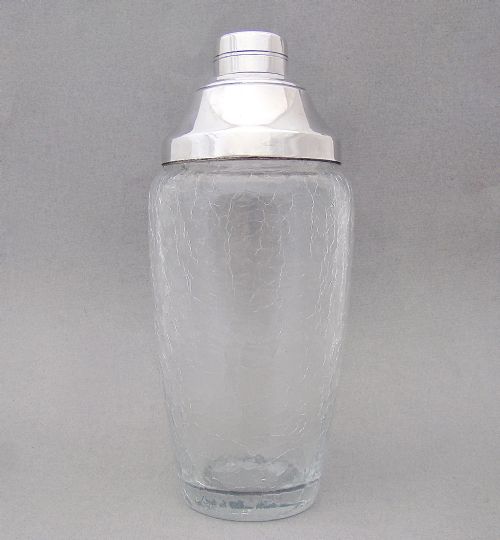
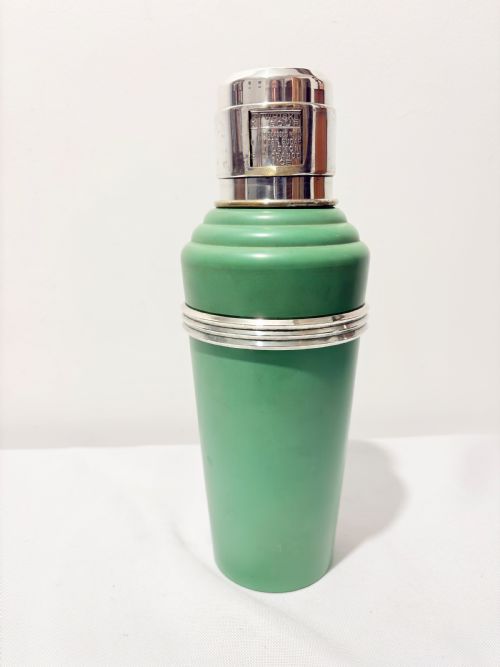
Alongside plain metal cylinders, variants appear featuring crackle glass, enamelled glass rooster motifs, and contrasting green Bakelite details. Sets frequently include matching beakers to complete the barware ensemble.
Evaluating the Pieces
Quality rests on the crispness of the geometric detailing, the weight and balance of the metal body, and the precision of the mechanics in integrated elements like lemon reamers. Pieces retaining crisp engine turning or distinct hammering display superior craftsmanship compared to worn examples.
The presence of a recognised maker mark or retailer stamp elevates an item, as does the survival of original matching components like glass beakers and cork stoppers. Integrity of the silver plate and the snug fit of the lid distinguish finer production standards from standard commercial output.
1930s Silver Cocktail Shaker Retail Price Guide 2026
Typical asking prices for 1930s silver cocktail shaker among the pieces listed under this phrase on Sellingantiques today, from the lower quarter to the upper quarter. They describe what is for sale here now, not the wider market.
Several shakers feature built-in lemon squeezers so you can commit citrus violence without leaving the cocktail cart.
Asprey & Co·Keith Murray·William Suckling·C S Green & Co·Maison Barra·Adie Brothers·Carl Deffner·William Hutton·Mappin & Webb·St. Medard·Kingsway Silver Plate·Elkington·Walker & Hall·Harrods·James Dixon & Sons
The 1930s Silver Cocktail Shaker Glossary
- Electroplated Nickel Silver
- A base metal alloy of copper, nickel, and zinc coated with a layer of pure silver through an electrolytic process. This material provided a durable and lustrous surface for interwar barware.
- Engine Turned
- A decorative technique involving precise geometric patterns mechanically etched into the metal surface. It creates repetitive, textured lines characteristic of the period.
- Bakelite
- An early synthetic plastic utilised for handles, knobs, and decorative accents due to its durability and rich colour options. It brings a smooth, tactile contrast to the cold metal body.
- EPNS
- An abbreviation for electroplated nickel silver commonly stamped on the base of metal cocktail shakers to indicate the underlying alloy and plating method.
- Crackleglass
- A type of glass intentionally plunged into cold water while hot to produce a fine network of internal fractures across the surface. This technique adds striking visual texture to mixed-material shakers.
1930s Silver Cocktail Shaker: Frequently Asked Questions
How do I use a vintage cocktail shaker?
These vessels mix ingredients by sealing liquids and ice within the metal or glass chamber before vigorous shaking. The built-in strainers or pouring spouts allow the mixed drink to flow cleanly into glasses while holding back the ice.
Original cork stoppers and tight-fitting metal lids prevent leaks during agitation. Collectors often use them for display, but functioning pieces serve modern cocktails just as they did in the interwar period.
What styles define these barware pieces?
Art Deco dominates this category, bringing stepped silhouettes, clean geometric lines, and engine-turned patterns to the bar table. Makers embraced industrial modernism alongside playful novelty shapes like milk churns and champagne bottles.
Accents of green Bakelite, crackle glass, and enamelled rooster motifs introduce colour and texture to the gleaming silver plate. These diverse forms reflect the sophisticated leisure habits of the period.
How do I clean a silver plated shaker?
Maintenance requires gentle washing with warm water and mild soap to protect the underlying silver plate and any glass or Bakelite components. Harsh abrasives or chemical dips should be avoided to preserve engine-turned patterns and maker marks.
Soft cloths help polish the metal surface and maintain its reflective shine without wearing down the plating. Proper drying prevents moisture damage to cork stoppers and internal metal seams.
Did these shakers come with matching sets?
Certain examples were produced alongside matching beakers or as part of comprehensive cocktail sets intended for entertaining. These configurations often shared the same hammered texture, metal finish, or decorative motifs.
Finding a complete set with its original matching beakers remains less common than encountering the standalone vessel. Such groupings provide a complete snapshot of period hospitality.