

1930s Side Cabinets
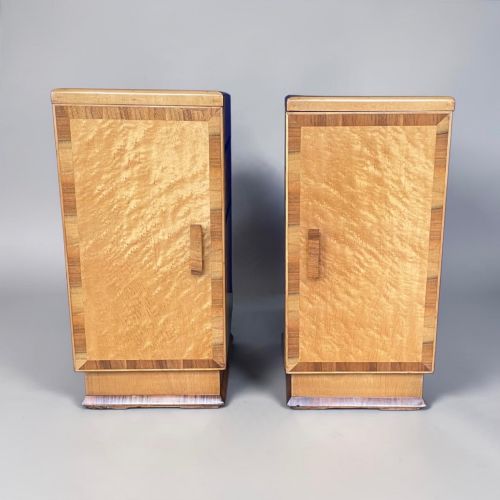
These 1930s side cabinets bring clean geometric lines and rich timber grains to an interior, offering practical surface space and concealed storage.
1930s Side Cabinets
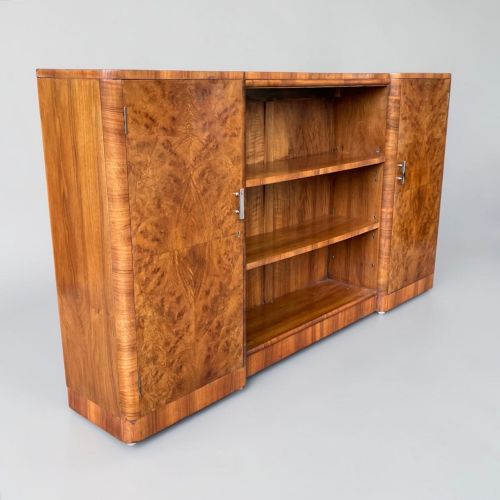
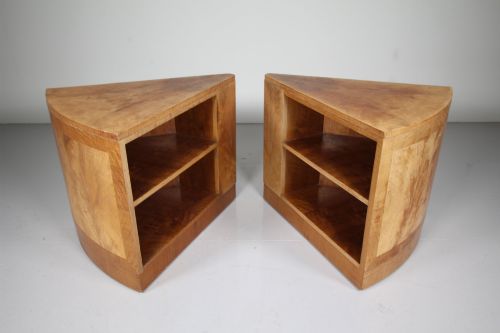
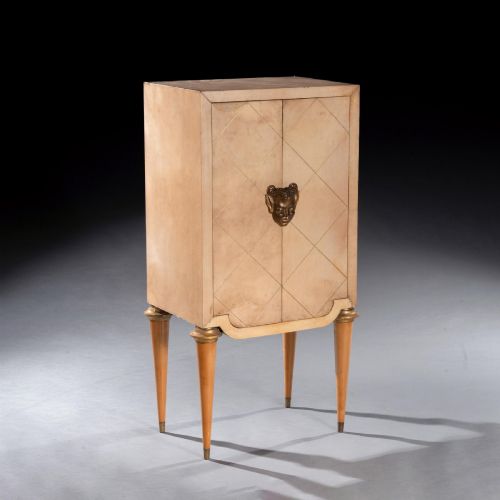
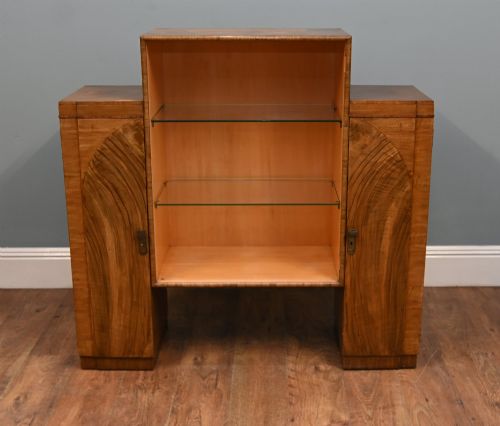
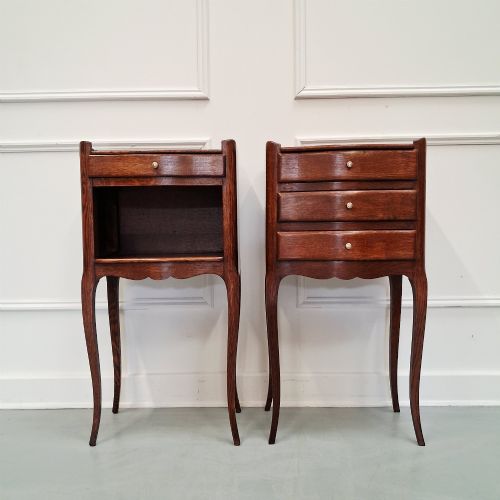
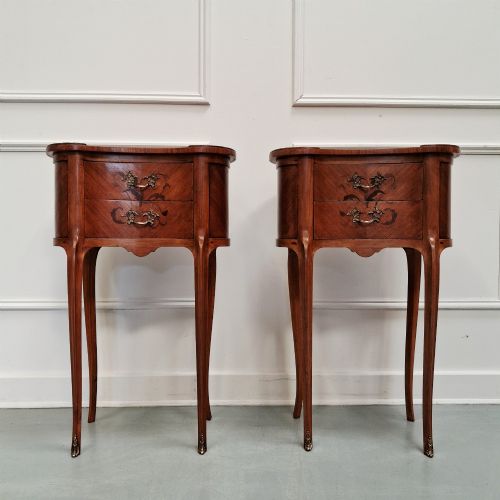
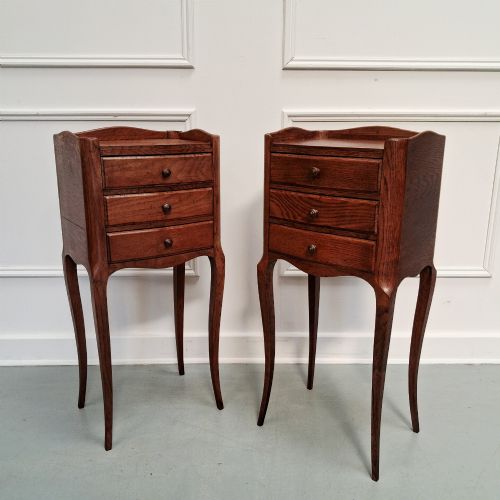
When buyers search for 1930s side cabinets, they encounter a diverse selection of furniture spanning bedside tables, display units, and compact cupboards created during the interwar period. The inventory leans heavily toward French and British regional output, with Art Deco styling dominating the forms alongside occasional revivals of earlier French aesthetics.
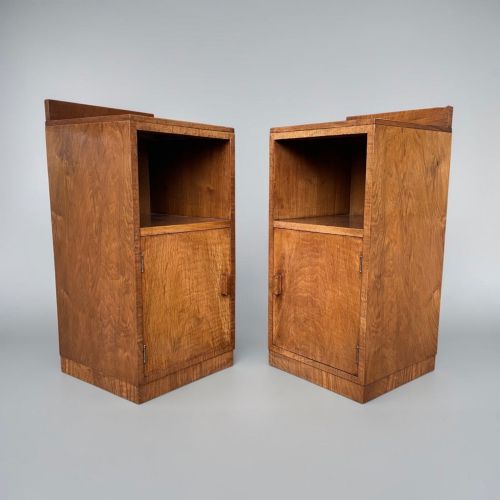
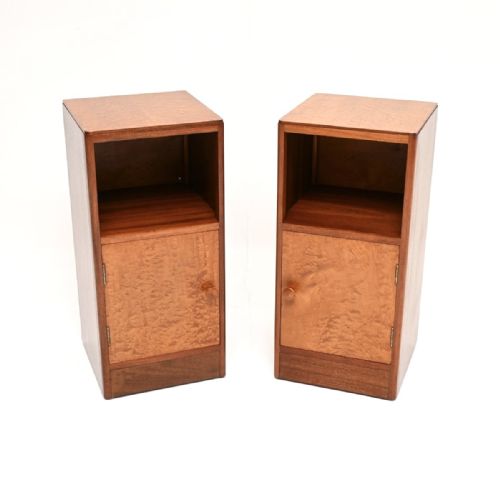
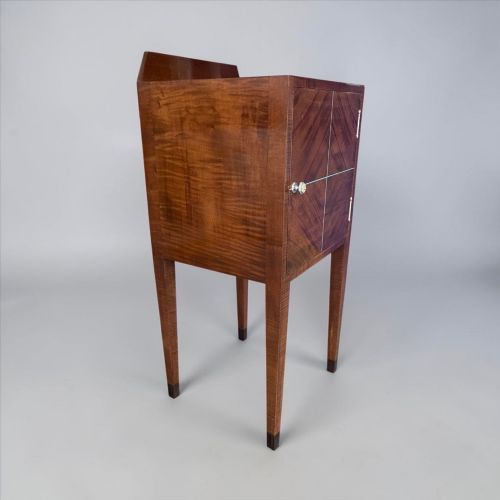
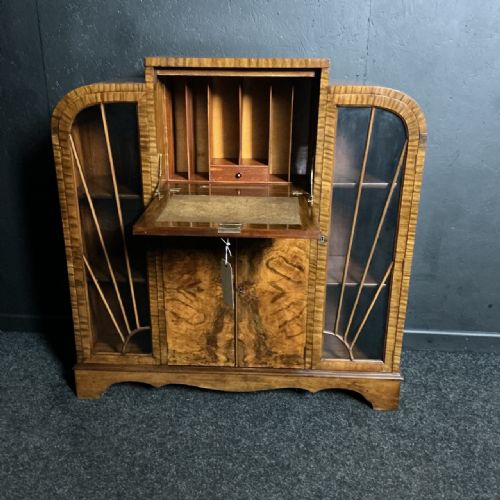
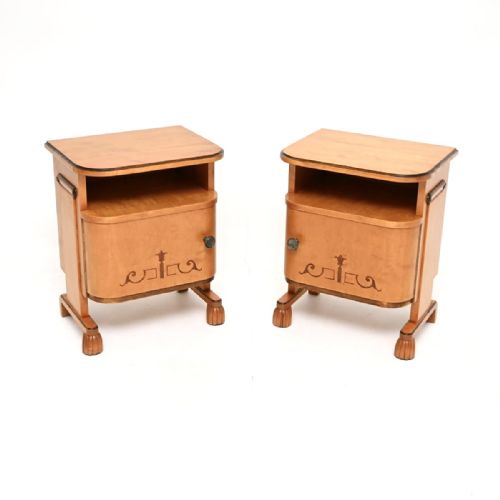
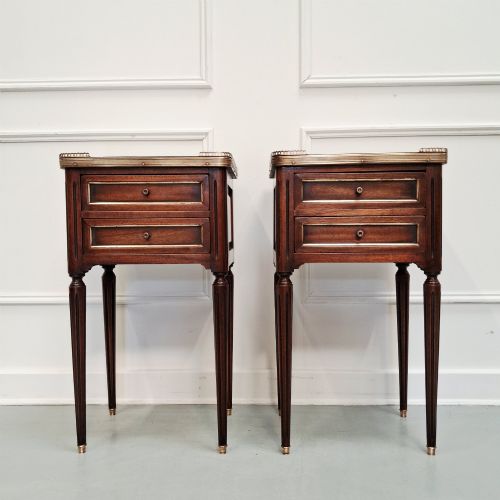
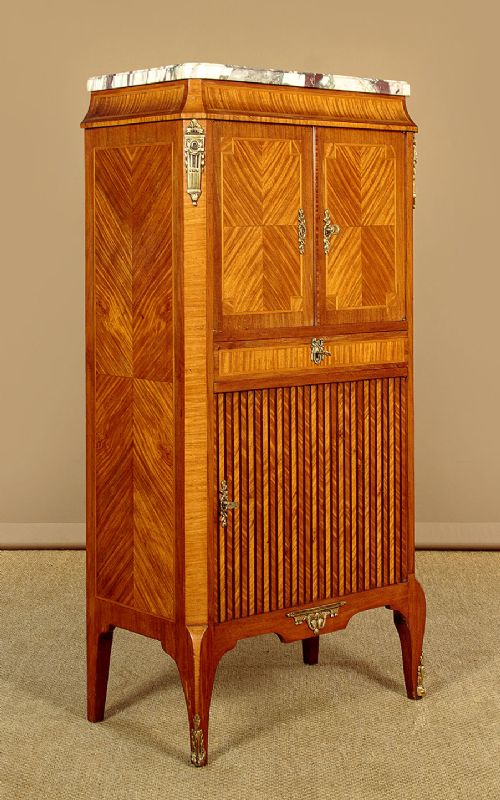
Bedside cabinets and small side tables form the largest portion of these listings, often appearing in matched pairs utilised beside low modern bed frames. Alongside these, buyers find larger display cabinets, music cupboards, and occasional tables designed for specific domestic storage roles.
Origin details reveal strong representation from continental workshops, particularly French makers employing exotic timbers, next to English pieces executed in native oak through the Cotswold School tradition. Swedish pieces also feature, bringing pale birch veneers and restrained geometric forms to the category.
Materials and construction methods
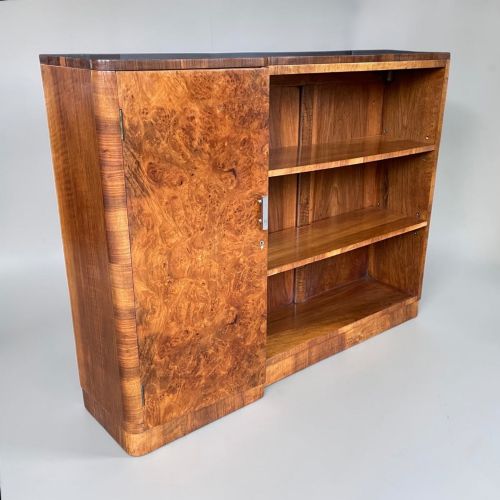
Cabinet makers of this decade relied extensively on high-grade timber veneers laid over stable secondary woods, employing burr walnut, satin birch, and figured maple to create striking surface patterns across drawer fronts and doors. Solid hardwoods such as oak, cherry, and kingwood provided structural integrity for frames, legs, and internal carcases.
Surface detailing frequently incorporated contrasting inlays, brass hardware fittings, and inset marble slabs on bedside surfaces for added durability and luxury. Construction techniques combined traditional joinery with innovative bentwood and veneering processes suited to the streamlined aesthetic of the period.
1930s Side Cabinets Retail Price Guide 2026
Typical asking prices for 1930s side cabinets among the pieces listed under this phrase on Sellingantiques today, from the lower quarter to the upper quarter. They describe what is for sale here now, not the wider market.
One versatile survivor conceals its evening drinks behind clever metamorphic engineering.
What determines quality in interwar cabinetry
Quality rests upon the selection and matching of wood veneers, where symmetrical grain patterns across multiple doors or drawer fronts signal careful workshop execution. Plain timber surfaces rely entirely on the precision of joinery and the harmonious proportion of the piece.
The integration of secondary materials like polished marble tops, cast brass handles, and fitted interior compartments separates standard utility furniture from high-end metropolitan commissions. Hardware originality and the smoothness of drawer movement further distinguish superior examples.
Walter Carter Harrods·Bath Cabinet Makers·Incorporall
The 1930s Side Cabinets Glossary
- Art Deco
- A design movement prevalent in the 1920s and 1930s characterised by sleek geometric shapes, stylised motifs, and streamlined silhouettes. It influenced architecture, interior design, and cabinet making globally.
- Burr walnut
- A wood harvested from the abnormal growth of a walnut tree, yielding highly figured, swirling grain patterns. Cabinet makers prized this material for decorative veneer panels.
- Kingwood
- A dense, heavy tropical timber featuring dark violet-brown tones with fine golden stripes. French workshops utilised it extensively for high-end decorative furniture.
- Serpentine
- A curved furniture front featuring a convex central section flanked by concave curves. This contour requires advanced woodworking skill to execute properly.
- Vitrine
- A glass-fronted display cabinet designed for exhibiting porcelain, small objects, or treasured books. These pieces typically feature glazed doors on multiple sides.
1930s Side Cabinets: Frequently Asked Questions
How do I identify a genuine 1930s cabinet?
Examine the construction methods, timber choices, and hardware styles. Pieces from this era typically display geometric Art Deco forms, extensive use of burr walnut or exotic veneers, and original brass fittings.
Look for construction hallmarks such as hand-cut dovetails on interior drawer boxes and secondary woods appropriate to the stated origin, whether English oak or French fruitwood.
Are these cabinets suitable for modern bedrooms?
Their compact proportions make these items exceptionally versatile for contemporary living spaces. Bedside tables and small side cabinets fit easily beside modern low-profile bed frames while providing concealed storage.
Many designs offer useful surface space for lamps and books without dominating the room's layout, bridging historical charm with functional utility.
What is the difference between French and English pieces?
French cabinets from this period frequently showcase exotic veneers like kingwood and cherry, often incorporating inset marble tops and decorative brass mounts. They lean heavily into sophisticated urban styling.
English examples often highlight regional traditions, utilising native oak through movements like the Cotswold School to emphasise solid timber construction and honest joinery.
How should I care for walnut veneer surfaces?
Protect delicate wood veneers by placing cabinets away from direct sunlight and maintaining stable indoor humidity levels. Sudden environmental changes can cause timber to warp or veneer to lift.
Dust gently with a soft, dry cloth and avoid silicone-based polishes. Occasional application of a quality wax preserves the natural sheen of the timber.