

1930s Ring
A 1930s ring captures the bold geometry of the Art Deco period alongside the quiet utility of sterling silver dining accessories.
1930s Ring
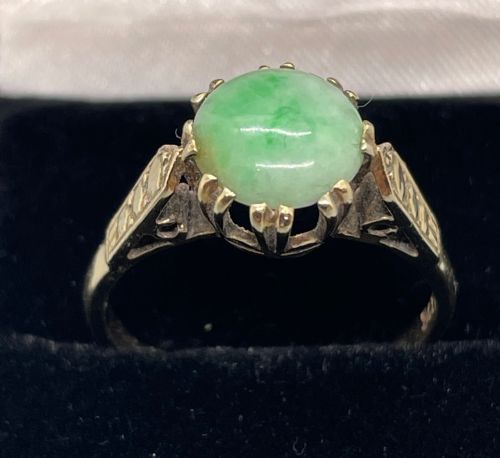
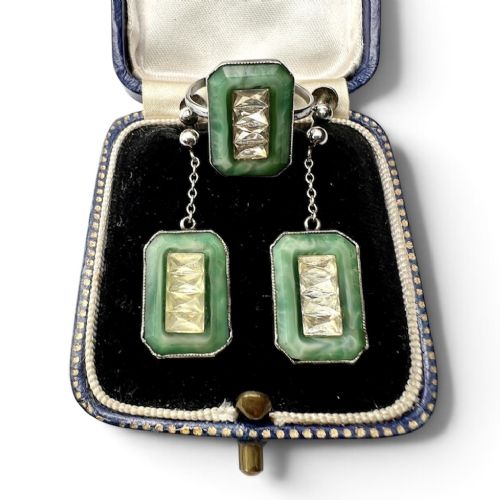
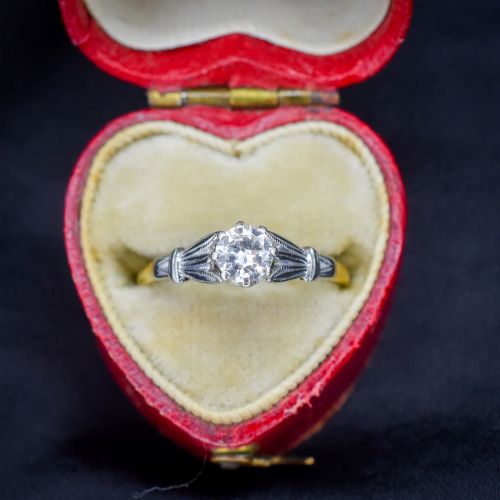
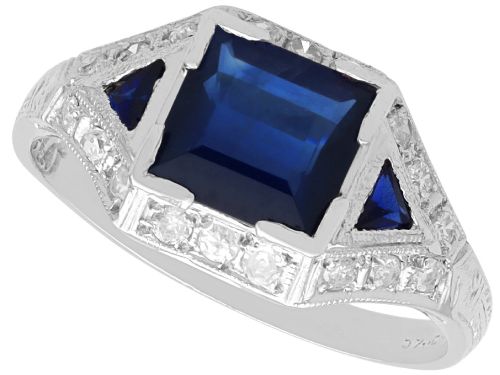
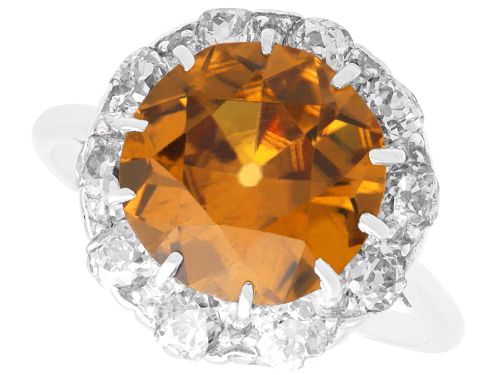
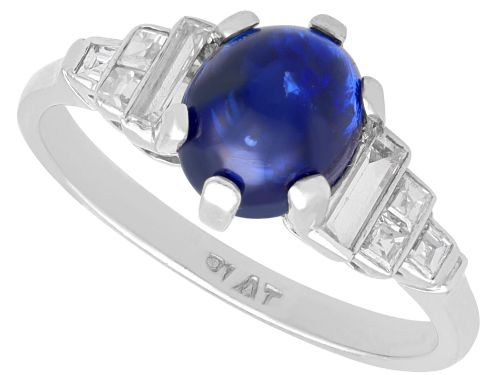
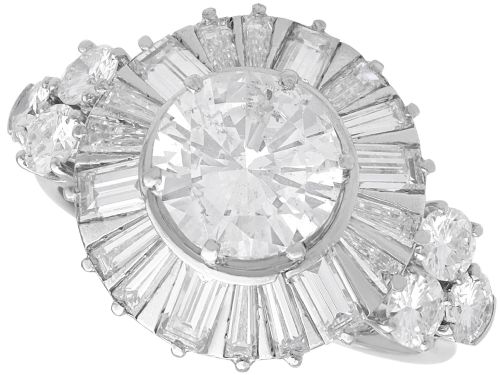
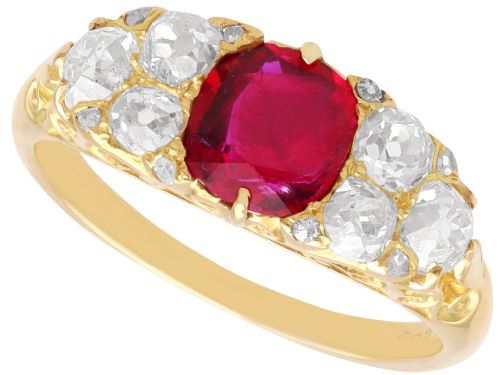
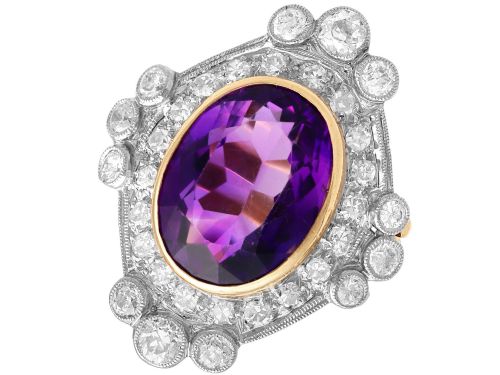
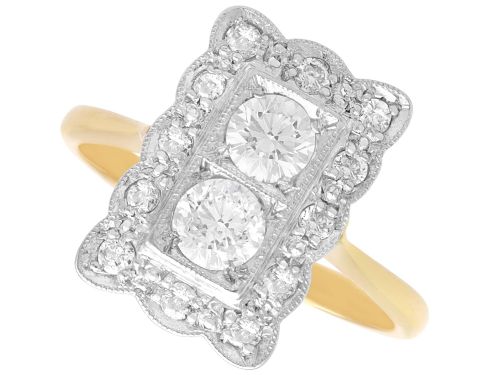
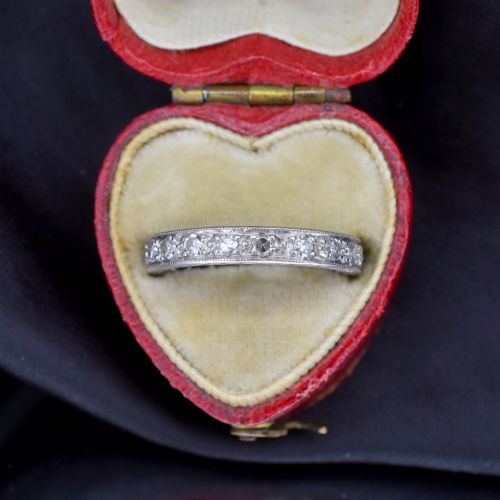
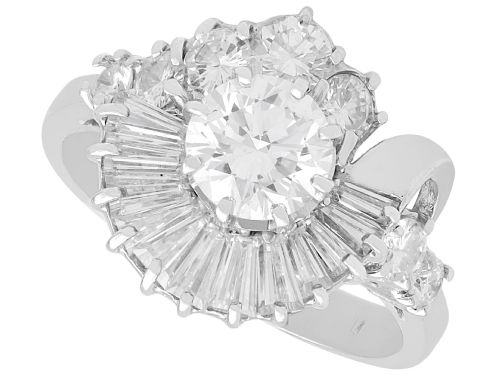
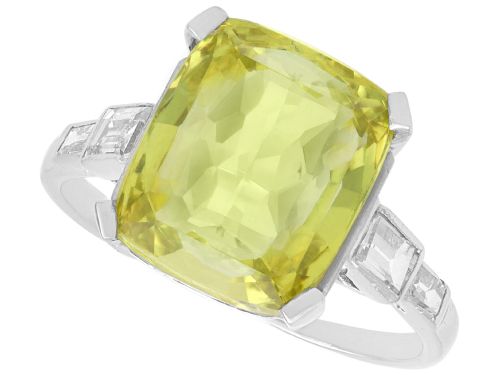
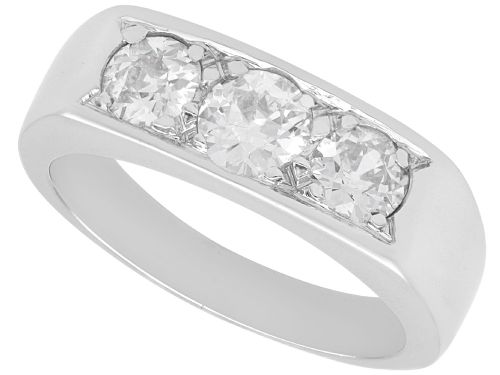
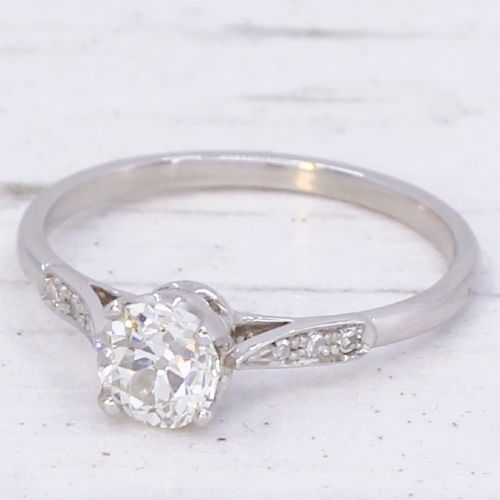
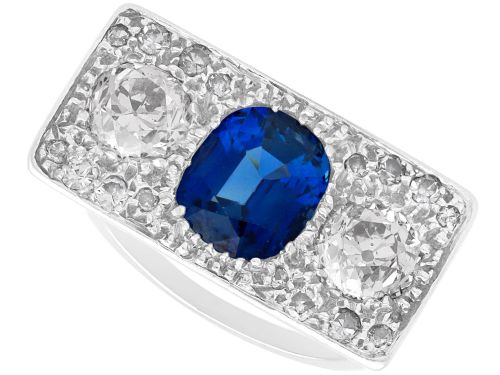
When searching for a 1930s ring, collectors encounter a diverse selection spanning fine jewellery and silver tableware. The jewellery category ranges from delicate diamond engagement rings and trilogy designs to substantial cocktail pieces set with coloured gemstones like sapphires, rubies and emeralds.
Alongside finger adornments, the selection includes solid sterling silver napkin rings hallmarked from the early to late nineteen-thirties. These domestic items often feature decorative motifs such as horseshoes or citrine stones.
The jewellery predominantly reflects the prevailing Art Deco style of the era, characterised by symmetrical arrangements and architectural mountings.
How they were made
Jewellery pieces from this decade rely heavily on precious metals like platinum and 18ct white or yellow gold to securely house diamonds and coloured stones. Platinum provides the structural strength needed for intricate, openwork mounts without adding excessive bulk.
Gemstones such as old European cut diamonds and cushion cut stones are hand-set into the metalwork, often complemented by calibre-cut accents. Sterling silver items are formed through traditional smithing techniques, incorporating cast elements and polished citrine insets.
1930s Ring Retail Price Guide 2026
Typical asking prices for 1930s ring among the pieces listed under this phrase on Sellingantiques today, from the lower quarter to the upper quarter. They describe what is for sale here now, not the wider market.
Listings feature precious metals including platinum, sterling silver, yellow gold, white gold, and 18ct gold alongside diamonds, sapphires, rubies, and emeralds.
What varies in quality
The distinction between tiers of jewellery rests on the quality and weight of the central gemstones, alongside the precision of the metalwork. Pieces featuring certified unheated rubies or substantial clean diamonds command attention through their natural rarity and depth of colour.
Construction standards also dictate value, with superior examples exhibiting crisp geometric lines, secure prong or channel settings, and crisp hallmarks on both rings and silver tableware.
The 1930s Ring Glossary
- Art Deco
- A design style spanning the 1920s and 1930s marked by sleek geometric shapes, stylised motifs and strong lines. It heavily influenced both ring mountings and decorative silver items.
- Old European Cut
- A traditional diamond cut featuring a small table, heavy crown and a large culet facet. This cut predates modern brilliant cutting standards and is typical of thirties gems.
- Trilogy Ring
- A ring featuring three main gemstones, often interpreted as representing the past, present and future. These frequently showcase a larger central diamond flanked by two smaller stones.
- Toi et Moi
- A French term meaning you and me, describing a ring style with two principal stones set side by side. This intimate design gained popularity during the interwar period.
- Napkin Ring
- A table accessory used to identify individual table linen during meals. Thirties examples in sterling silver often incorporated lucky symbols or gemstones.
1930s Ring: Frequently Asked Questions
How do I identify a true thirties diamond cut?
Gems from this era typically display old European or old mine cuts rather than modern brilliant facets. Look for a smaller top table and a visible open culet when viewed through a loupe.
These older cutting styles produce a softer, warmer scintillation under candlelight compared to the sharp brilliance of twentieth-century stones.
Are sterling silver napkin rings hallmarked?
Most British pieces from this decade carry clear sterling silver hallmarks indicating the assay office, standard mark and date letter. Birmingham marks are particularly common on these domestic items.
Examining these stamps helps confirm the exact year of manufacture during the George V or subsequent reigns.
Can I wear a cocktail ring daily?
Substantial cocktail and cluster designs require mindful wear due to their prominent settings and larger centre stones. Platinum and gold mountings are durable, but high-set gems can catch on fabrics.
Removing the piece during rigorous physical tasks preserves the integrity of the delicate prongs and older gemstone cuts.
What metals were used for engagement rings?
Platinum was the preferred choice for high-end diamond settings because its strength allowed for delicate, lace-like metalwork. Yellow and white 18ct gold were also widely utilised by makers of the period.
White gold gained traction as an affordable alternative that offered the silvery appearance of platinum without the heavier weight.