

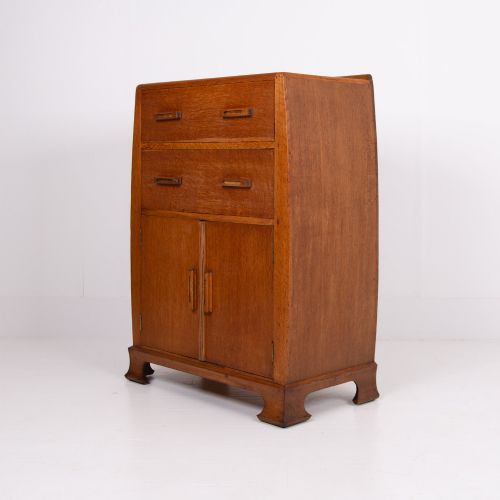
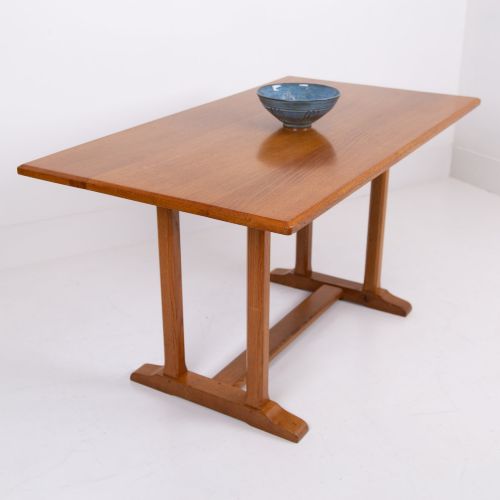
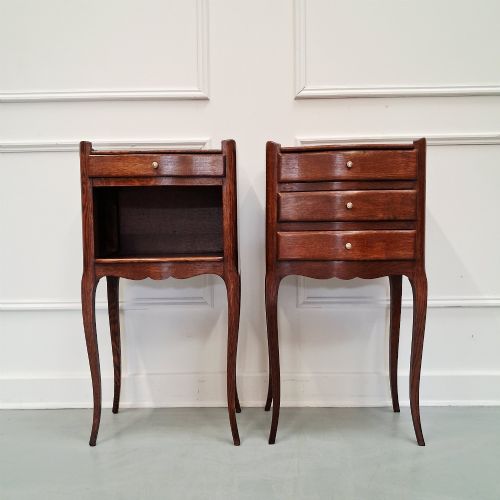
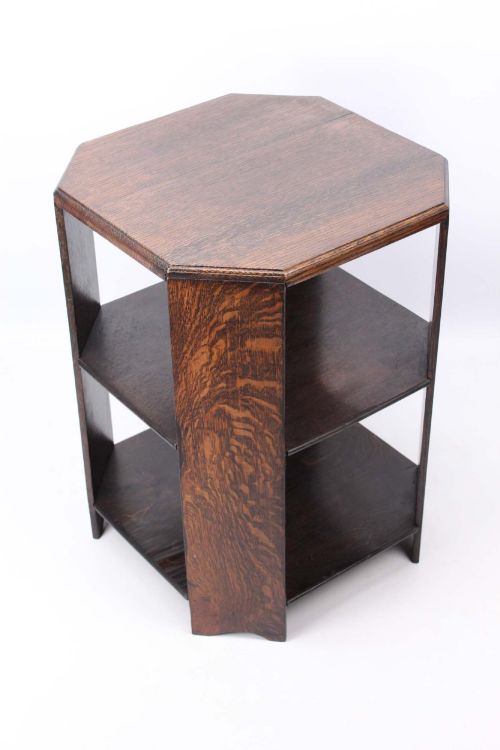
1930s Oak Furniture
These pieces of 1930s oak furniture bring robust craft and modernist design together for everyday use.
1930s Oak Furniture
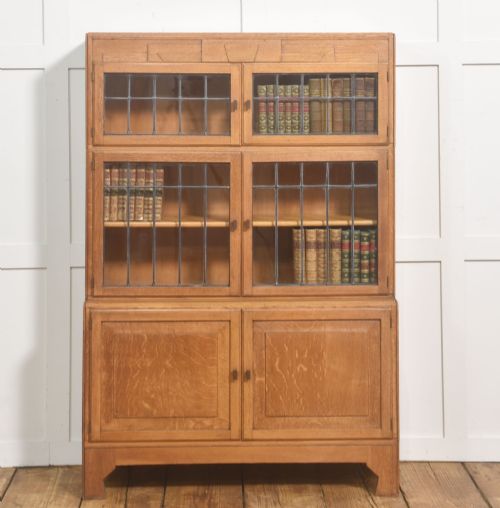
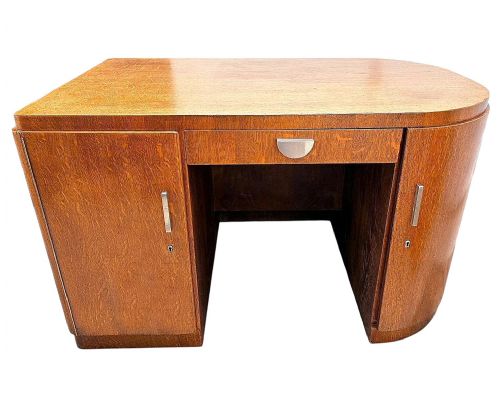
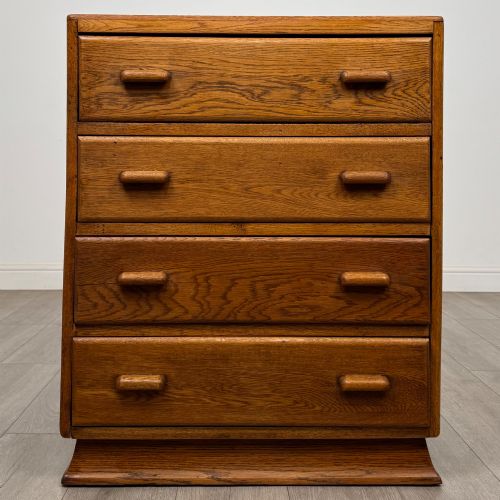
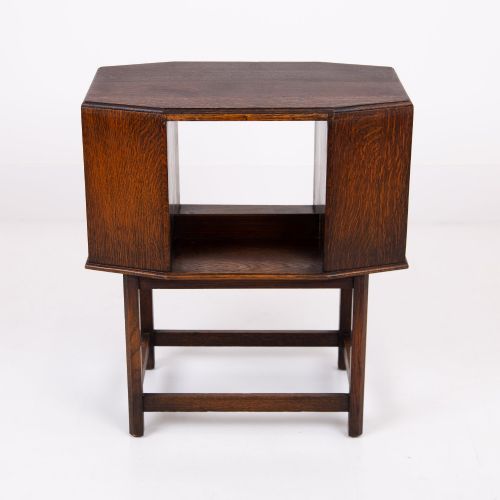
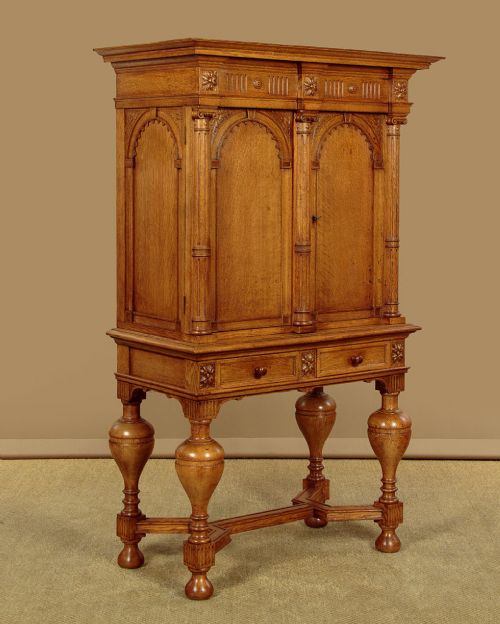
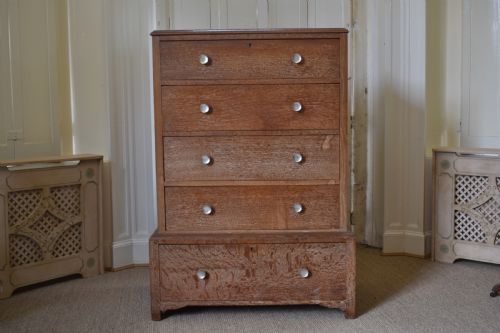
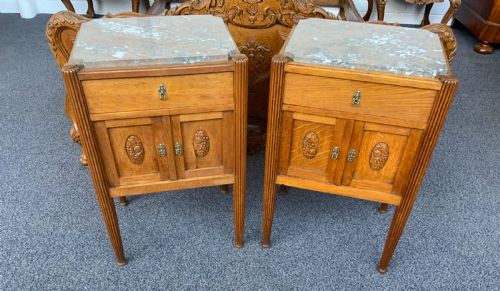
When searching for 1930s oak furniture, buyers encounter practical domestic forms shaped by Art Deco, Arts and Crafts, and Cotswold School traditions. The selection spans utilitarian pieces as well as modernist designs intended for contemporary interwar homes.
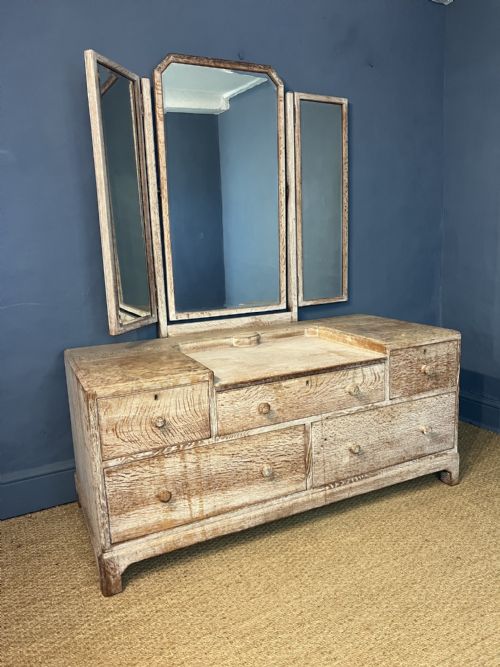
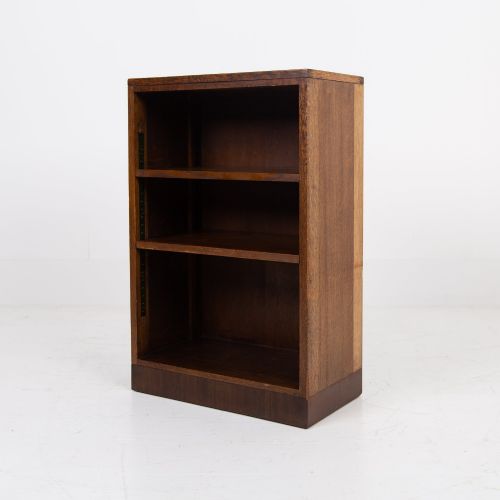
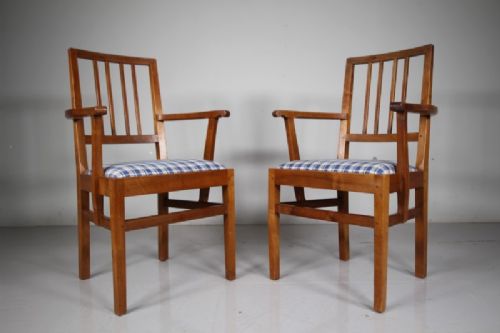
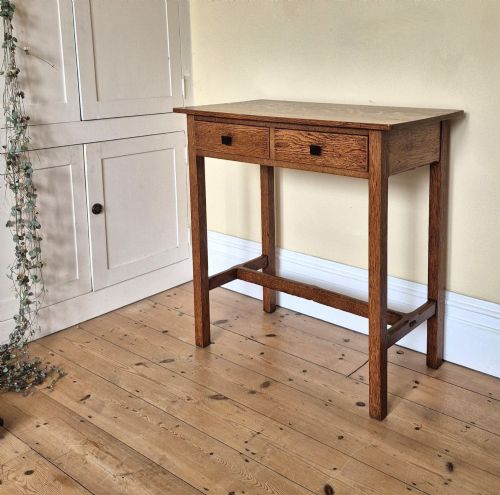
Bookcases, side tables, and dressing tables dominate the forms, alongside desks, chests of drawers, and armchairs. Many items reflect English production, supplemented by occasional French cabinets and Dutch revival influences.
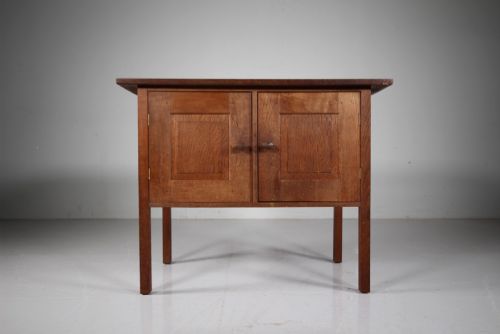
Makers such as Heal's, Betty Joel, and Peter Waals define the higher end of the period output. Pieces range from limed oak statement furniture to unadorned utilitarian cupboards and tables.
How they were made
Upholstered items incorporate fabric and leather surfaces on seating and desk tops. Construction relies on traditional joinery combined with the cleaner geometric lines favoured by interwar designers.
1930s Oak Furniture Retail Price Guide 2026
Typical asking prices for 1930s oak furniture among the pieces listed under this phrase on Sellingantiques today, from the lower quarter to the upper quarter. They describe what is for sale here now, not the wider market.
A solitary watchmaker's cabinet waits quietly among the desks and dressing tables.
What varies in quality
The distinction between ordinary commercial production and master workshop output rests on timber selection and joinery detail. Signed pieces by established makers or marked studio workshops carry greater design ambition.
Proportion and surface finish separate standard items from superior pieces. Simple commercial oak furniture prioritises utility, whereas Cotswold School or modernist commissions display deliberate attention to grain and form.
Edward Barnsley·Peter Waals·Stanley Webb Davies·Bryn Mawr·Harry and Lou Epstein·Betty Joel
The 1930s Oak Furniture Glossary
- Limed oak
- A wood finishing technique that leaves a white pigment in the open grain of the oak. This treatment was popularised by modern makers during the interwar period.
- Cotswold School
- A design and craft movement rooted in the Arts and Crafts tradition. It emphasises hand-craftsmanship and honest construction in solid timber.
- Art Deco
- A style characterised by sleek geometric shapes and streamlined forms. In furniture, it moved away from historic revivalism towards modern simplicity.
- Bureau
- A desk featuring a sloping flap that opens to reveal a writing surface and small compartments. These were built for domestic correspondence and administration.
1930s Oak Furniture: Frequently Asked Questions
How do I identify a Heal's piece?
Heal's pieces often carry maker labels, stamps, or distinct architectural proportions typical of their London store output.
The use of limed oak and clean modernist lines also points towards their workshop production during the decade.
What is limed oak?
Limed oak is a treated timber finish where a white pigment fills the wood grain to create a pale appearance.
This finish became a defining look for modern domestic interiors between the wars.
Are these pieces suitable for daily use?
Solid timber construction and sturdy joinery make these items well-suited for everyday domestic environments.
Tables, desks, and chests function reliably in modern rooms while providing period character.
How do Art Deco and Cotswold pieces differ?
Art Deco furniture focuses on geometric symmetry, smooth surfaces, and occasionally metal or glass elements.
Cotswold pieces lean towards visible hand-craftsmanship, traditional joinery, and the natural texture of solid oak.