


1930s Mens Watch
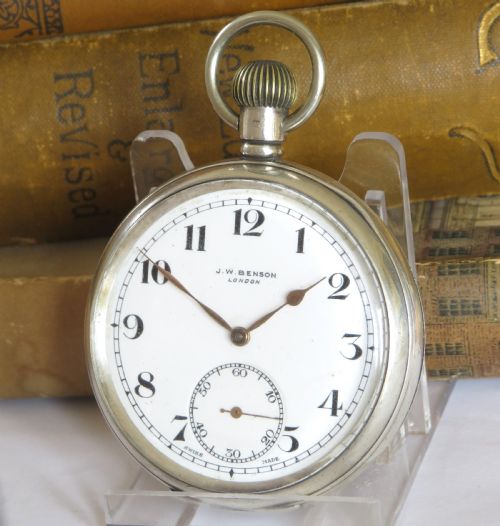
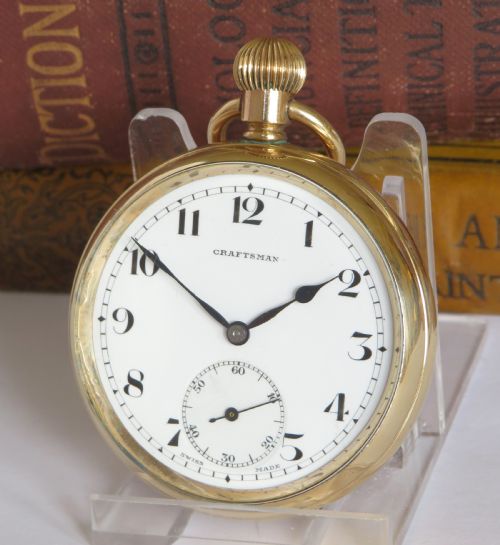
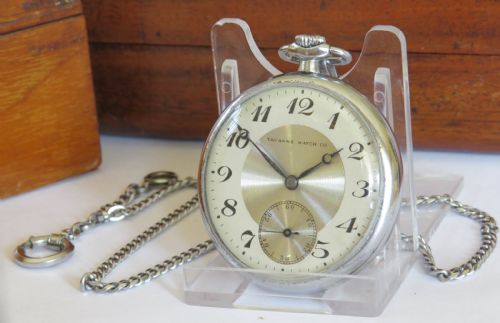
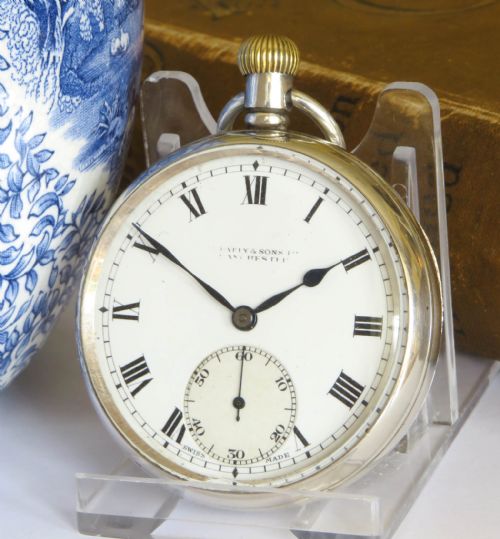
These 1930s mens watch examples combine period mechanics with distinctive Art Deco styling, offering both utility and traditional craftsmanship.
1930s Mens Watch
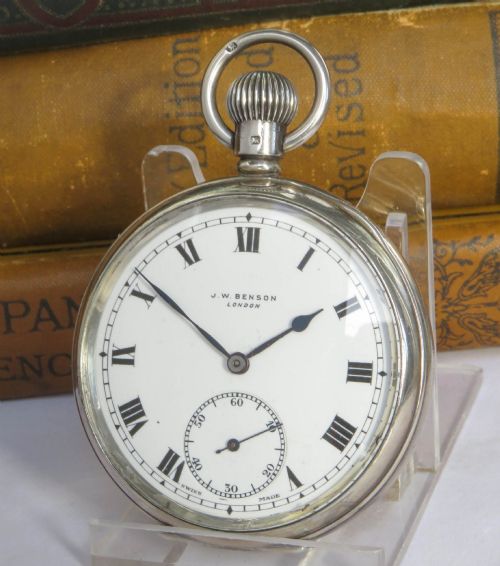
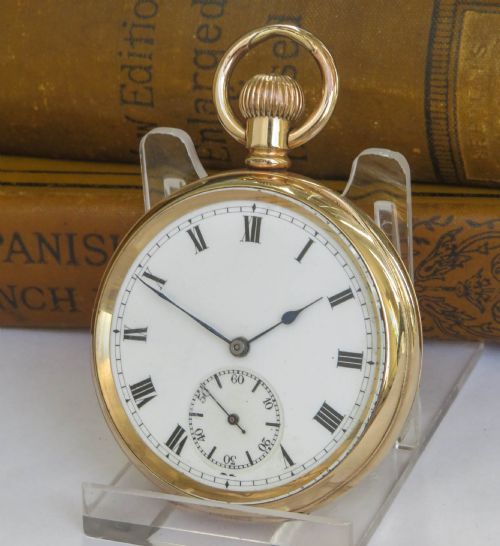
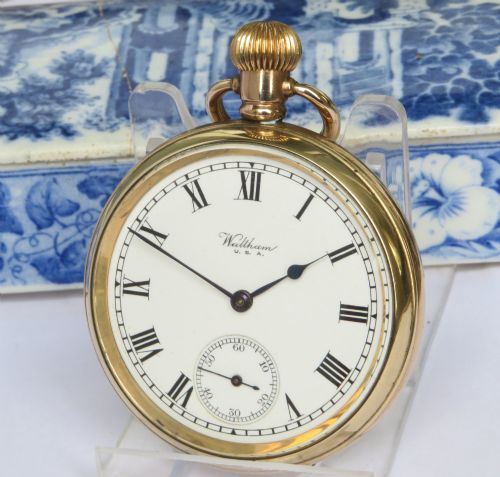
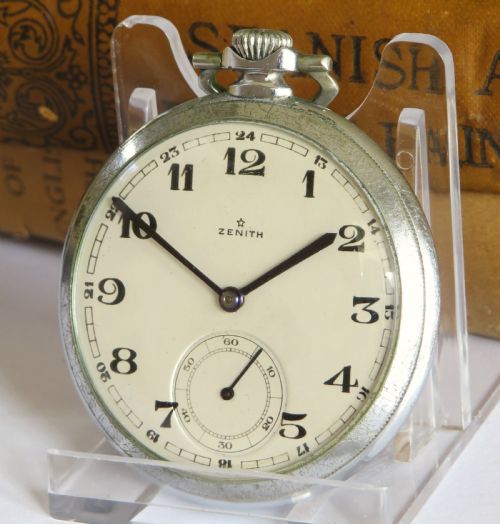
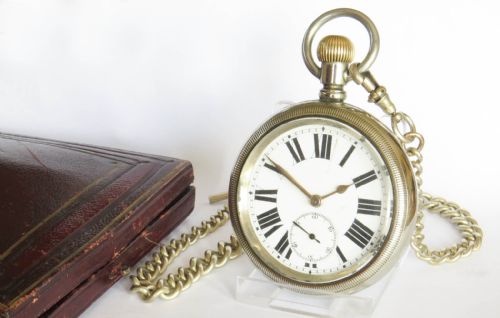
A 1930s mens watch encompasses both pocket watches and wristwatches, reflecting a transitional era in masculine timekeeping. Pocket watches remain well represented alongside emerging wristwatch designs.
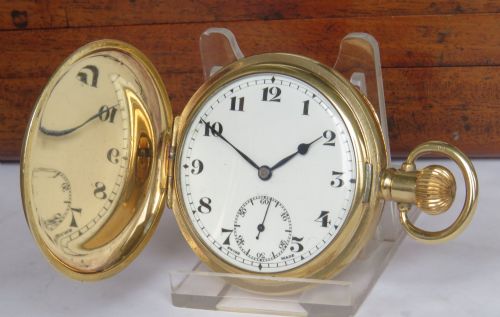
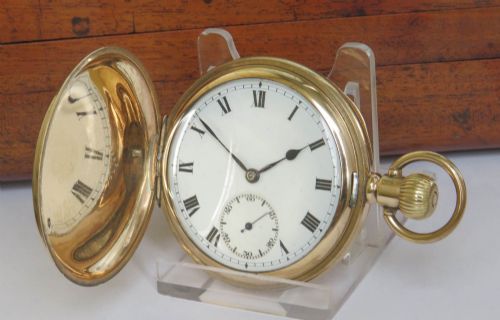
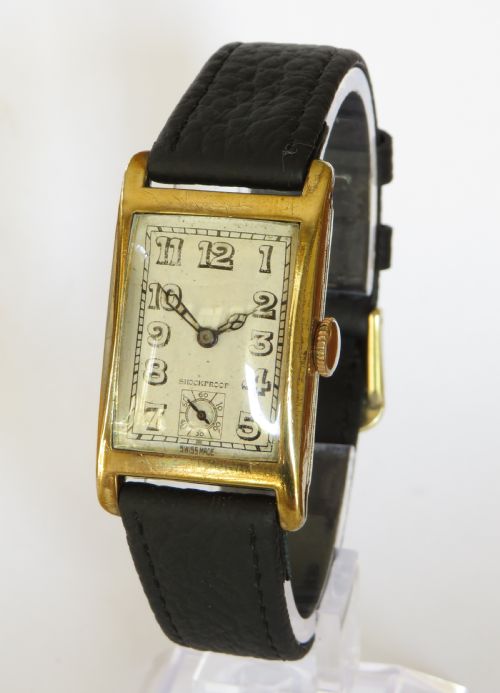
The wristwatches often display strict geometric lines typical of the Art Deco style, featuring square dials and curved rectangular cases. Pocket watches frequently include half hunter and full hunter variants.
Many items derive from Swiss and British makers, sometimes bearing retailer inscriptions or presentation engravings linked to bravery awards and civic groups.
Materials and construction
Casses utilise silver, gold plate, rolled gold, white gold fill, solid rose gold, chrome, brass and stainless steel. Dials are protected by glass and frequently accented with enamel details.
Movements rely on manual wind mechanisms, sometimes incorporating seventeen jewels. Leather straps complement the metal wristwatch cases, while pocket watches are paired with matching chains and alberts.
1930s Mens Watch Retail Price Guide 2026
Typical asking prices for 1930s mens watch among the pieces listed under this phrase on Sellingantiques today, from the lower quarter to the upper quarter. They describe what is for sale here now, not the wider market.
Several pocket watches carry hard-earned presentation inscriptions from fishermen and bravery award committees.
Assessing quality and execution
The preservation of original dials, particularly complex Art Deco treatments or specialised black finishes, dictates desirability. Mechanical sophistication, such as specialised curvex shapes and jewelled manual wind movements, further distinguishes individual examples.
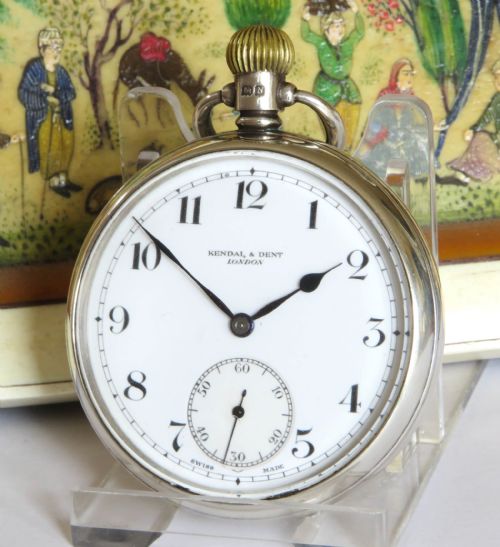
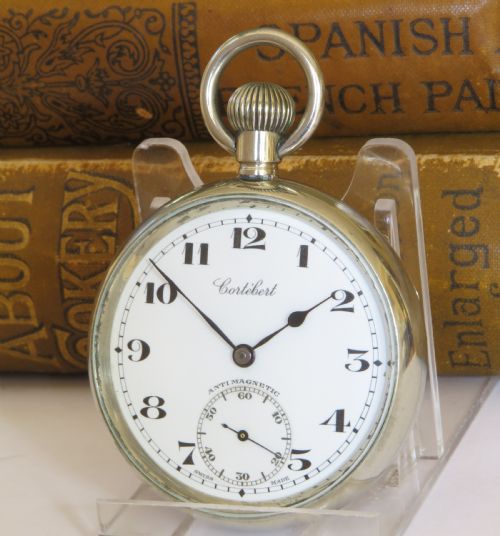
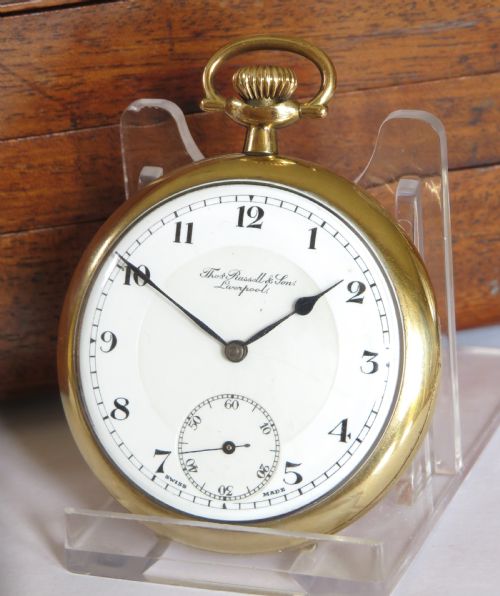
Cortebert·Kendal and Dent·Thomas Russell and Son·Cyma·Tavannes·Revue·Tellus·Vertex·Rotary·Zenith·Rolex·Limit·Consul·Omega·H Samuel·Le Coultre·Bulova·Elgin
The 1930s Mens Watch Glossary
- Hunter pocket watch
- A pocket watch featuring a spring-loaded metal cover designed to protect the glass dial. Half hunter versions include a small glass panel or aperture in the cover to check the hands without opening it.
- Art Deco
- A design style prominent during the period characterised by streamlined geometric forms, symmetry and stylized motifs. This aesthetic heavily influences the square and rectangular watch dials of the decade.
- Rolled gold
- A manufacturing technique involving a thin layer of gold mechanically bonded to a base metal core. It offers durability similar to solid gold at a lower material cost.
- Manual wind
- A mechanical watch movement powered by manually turning the crown to tension the mainspring. These movements require no battery and represent the standard technology of the era.
- Albert chain
- A chain attached to a pocket watch, designed to secure the timepiece to a waistcoat or jacket buttonhole. They are frequently found paired with period pocket watches.
1930s Mens Watch: Frequently Asked Questions
Are these watches manual wind?
The mechanical movements rely on manual winding via the crown. Owners tension the mainspring by hand to power the watch.
Automatic wristwatch movements were not yet standard for the everyday men's market during this period.
How do I wear an albert chain?
An albert chain attaches to a pocket watch at one end and secures through a waistcoat buttonhole using a T-bar. The remaining drop of chain hangs across the front of the garment.
This traditional accessory keeps the timepiece secure and accessible during daily wear.
How do I identify Art Deco styling?
Art Deco watches are distinguished by geometric case shapes, rectangular silhouettes, and symmetrical step-down lugs. Dials often feature stylised typographic numerals and chapter rings.
This aesthetic marks a sharp departure from earlier pocket watch designs and round turn-of-the-century cases.