

1930s Gold Jewelry
1930s gold jewellery brings together geometric lines and rich gemstones, offering the bold design of the interwar years for everyday wear.
1930s Gold Jewelry
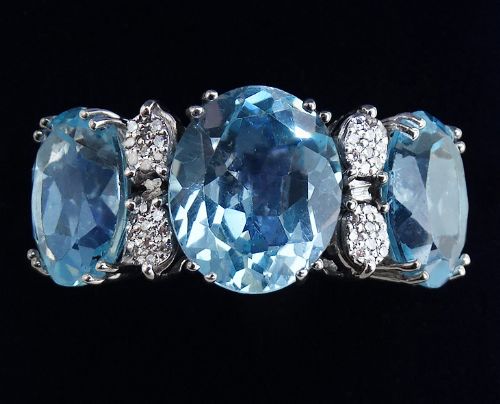
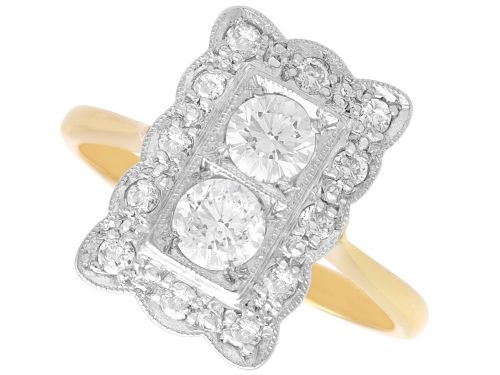
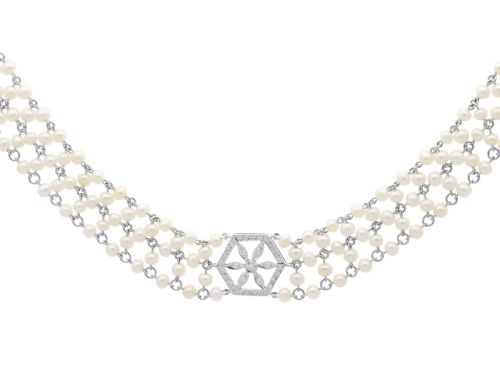
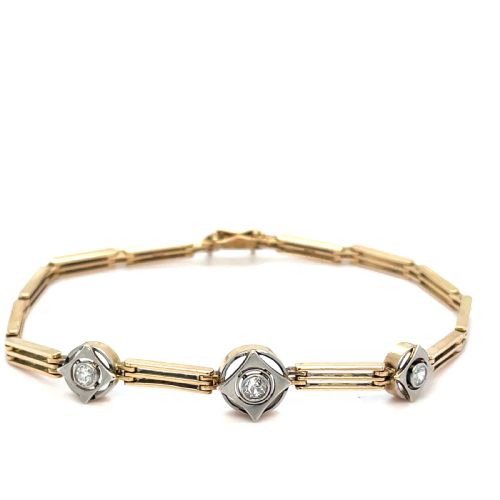
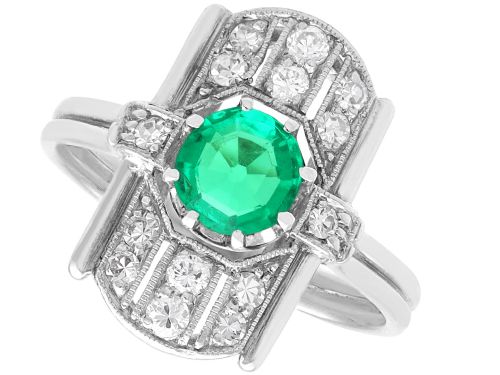
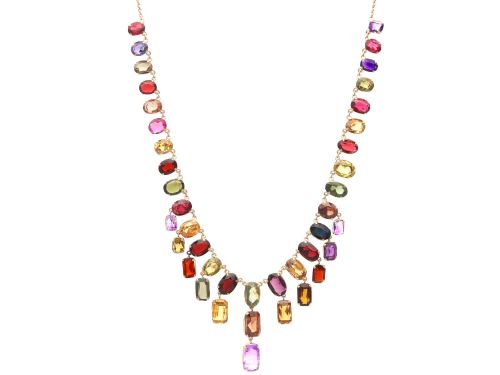
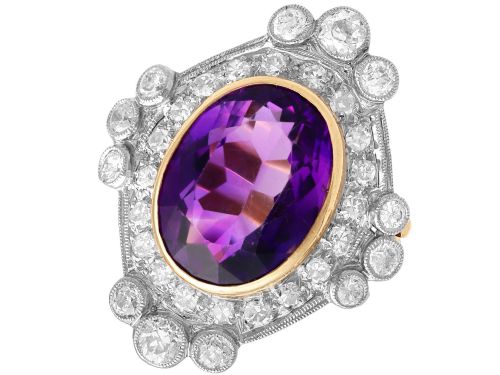
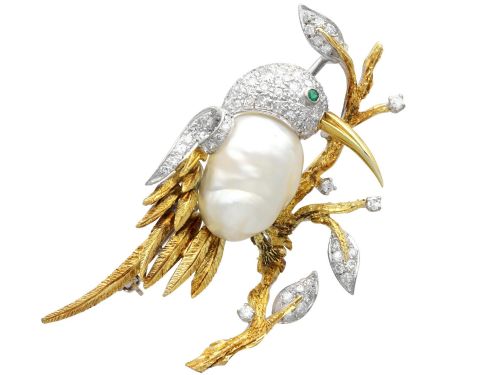
1930s gold jewellery covers a diverse range of decorative items, from cocktail rings and engagement rings to brooches, pendants, and fringe necklaces. Pieces from this decade often bridge the late Art Deco style with early retro design, displaying both strict geometric layouts and softer organic motifs.
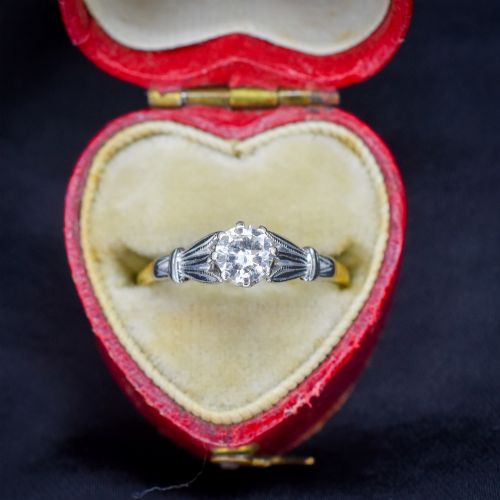
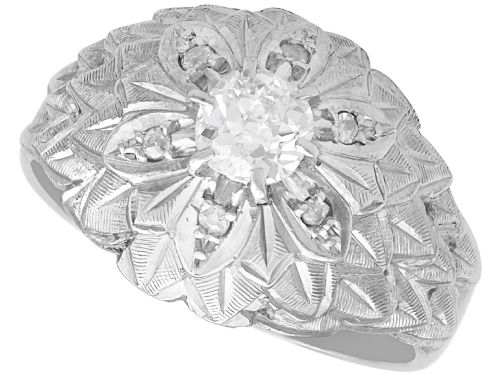
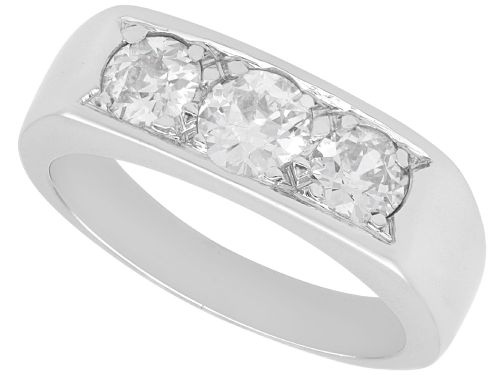
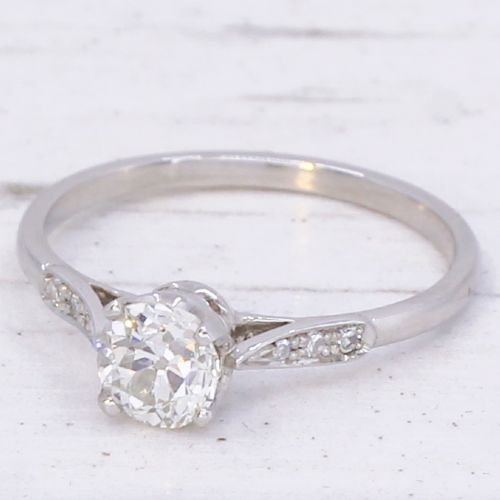
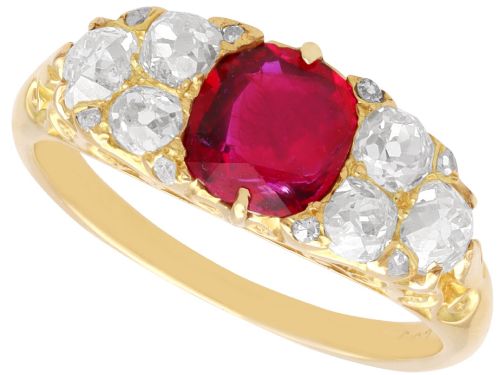
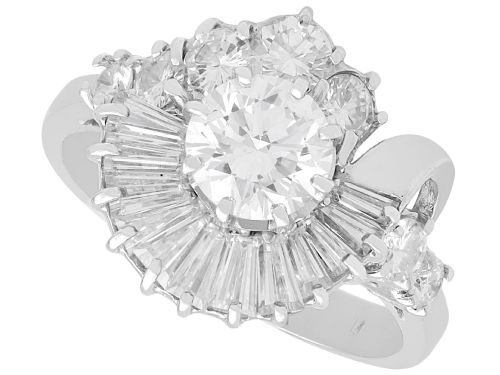
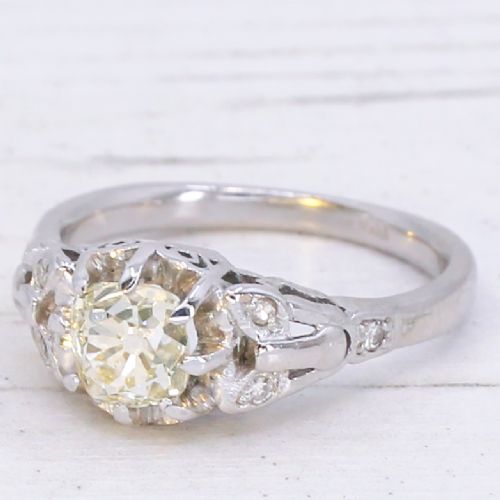
The most common items found in this category are rings, particularly diamond solitaires, trilogy configurations, and cluster arrangements set in yellow or white gold. These items reflect the transition from strict 1920s modernism into warmer, more substantial gold work as the decade progressed.
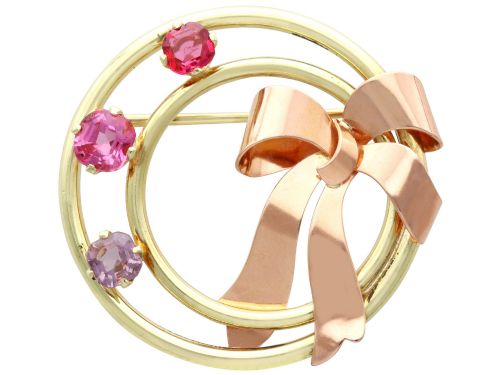
Beyond rings, buyers frequently encounter bracelets, earrings, and necklaces incorporating coloured stones such as aquamarine, amethyst, ruby, and sapphire. These objects range from delicate daytime pieces to heavy evening wear.
Materials and construction methods
Makers of this era utilised various purities of gold, including 9ct rose and yellow gold, 14ct white and yellow gold, 18ct white and yellow gold, and occasional higher purities like 22ct. Platinum frequently accompanied white gold to secure precious stones in crisp, durable settings.
Gemstone selection defines the period, with old cut diamonds - such as old European and old pear cuts - paired with coloured gems like Colombian emeralds, Burmese rubies, and zircons. Settings often employed precise channel, bezel, or claw arrangements to highlight the individual character of each stone.
1930s Gold Jewelry Retail Price Guide 2026
Typical asking prices for 1930s gold jewelry among the pieces listed under this phrase on Sellingantiques today, from the lower quarter to the upper quarter. They describe what is for sale here now, not the wider market.
One charming item on offer is a silver gilt and enamel butterfly brooch that appears ready to flutter off the lapel.
Evaluating craftsmanship and design
Quality in this category depends heavily on the integration of the stones with the metalwork, where superior examples exhibit seamless flush settings and secure claw work that complements the overall silhouette. Lesser pieces may display heavier, less refined metal distribution that obscures the natural brilliance of the gems.
The choice and matching of gemstones also dictate distinction, as top-tier items feature stones with exceptional clarity, matched colour grading, and distinctive cuts like old cushion or old European styles. Finer specimens maintain original structural integrity without excessive rebuilding or replacement of components.
The 1930s Gold Jewelry Glossary
- Old European cut
- A round diamond cut popular in the late nineteenth and early twentieth centuries, characterised by a small table, heavy crown, and a noticeable open culet. This cut produces distinctive broad flash patterns under candlelight.
- Toi et Moi
- A ring style featuring two main stones side by side, symbolizing two souls intertwined. The phrase translates from French as you and me.
- Trilogy ring
- A ring set with three stones, traditionally representing the past, present, and future of a relationship. These stones are usually graduated in size or matched equally.
- Paste
- Hand-cut lead glass used to imitate gemstones in antique pieces. It is shaped and polished by hand to achieve high optical dispersion.
- Fringe necklace
- A necklace featuring hanging drops or tassels suspended along the lower edge of the chain. This style swings with movement and was favored for evening wear.
1930s Gold Jewelry: Frequently Asked Questions
How do I identify 1930s jewelry?
Look for geometric motifs, stylized floral elements, and a blend of platinum tops with yellow or white gold bases. Gemstones of the era typically feature old cut diamonds alongside vivid coloured stones.
Assay marks and hallmarks stamped inside bands or clasps also help pinpoint the exact decade of manufacture.
Can I wear these rings daily?
Many items from this period are robust enough for daily wear, particularly sturdier gold cocktail rings and wedding bands. Regular checks by a jeweler ensure the settings remain secure.
More delicate pieces, such as pearl or paste items, require gentle handling and should be removed during physical tasks.
What is the difference between Art Deco and 1930s styles?
Art Deco style relies on strict symmetry, sharp angles, and industrial influences originating in the 1920s. As the decade progressed into the 1930s, designs softened into curvier, warmer forms.
Jewellery from the mid-1930s often incorporates bulkier gold work and more organic gemstone arrangements.
Are old cut diamonds different from modern ones?
Old cut diamonds are shaped by hand rather than by automated laser technology, resulting in smaller tables and larger facets. This traditional method gives them a softer, warmer glow in low light.
Each stone possesses unique artisanal irregularities that distinguish it from modern brilliant cuts.