
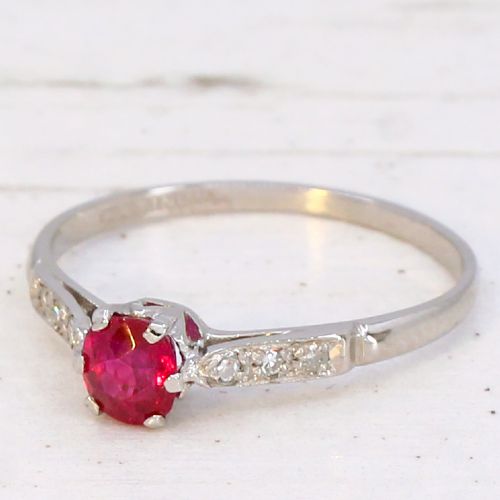


1930s Gemstone Dress Ring
A 1930s gemstone dress ring brings together vibrant coloured stones and geometric platinum or gold settings that define interwar glamour.
1930s Gemstone Dress Ring
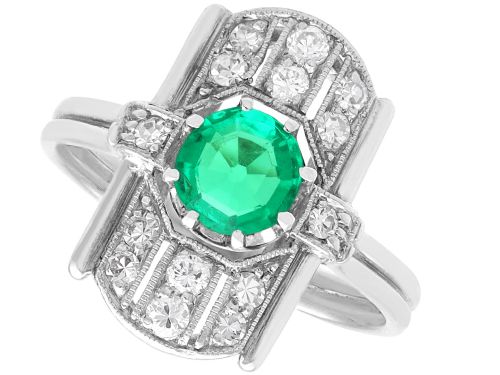
A 1930s gemstone dress ring is an item of finger jewellery designed for evening wear and social occasions during the interwar period. The pieces gathered here belong primarily to the Art Deco style, spanning the 1920s and 1930s.
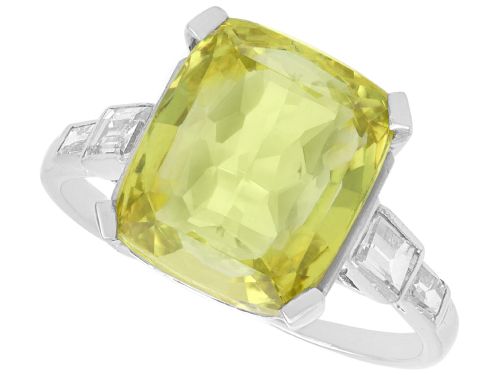
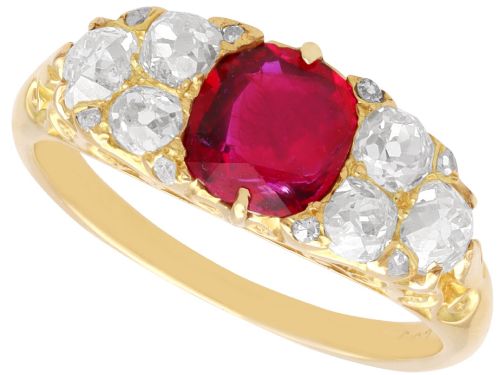
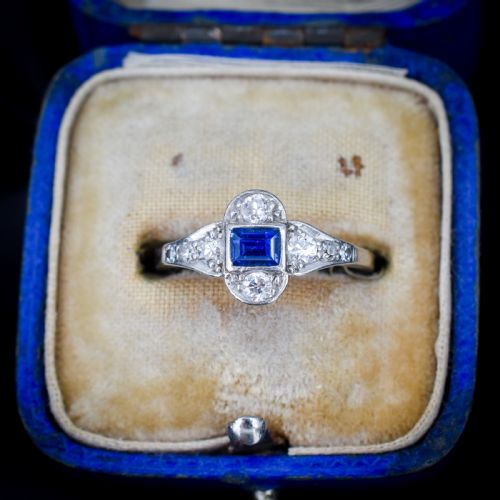
Most examples on this page take the form of cocktail rings or cluster rings, often pairing a central gemstone with smaller accent diamonds. Stones such as sapphire, ruby, emerald, zircon, aquamarine, amethyst, and moonstone dominate the selection.
Settings alternate between platinum and various forms of gold, including 18ct yellow gold, 18ct white gold, and 9ct gold. These combinations reflect the tastes of the 1930 era for crisp contrasts and strong geometric presence.
Materials and construction
Makers utilised durable precious metals like platinum alongside 18ct and 9ct gold to securely mount substantial centre stones. Platinum allowed for delicate, strong wirework and millegrain edges that framed diamonds and coloured gems tightly.
Coloured gemstones such as sapphires, rubies, and emeralds were cut into cushions, cabochons, and step cuts to maximise colour display. These centres were then surrounded by pavé or cluster arrangements of small diamonds.
Several rings manage to pack over twenty-eight carats of amethyst or nearly twelve carats of yellow sapphire into a single finger-lengthening design.
Quality factors in interwar rings
The distinction between tiers of quality rests on the origin, treatment, and natural characteristics of the central gemstone. Stones accompanied by certificates noting minor or no oil enhancement command greater attention from collectors.
Metalwork execution and stone matching also separate standard examples from finer works. The crispness of the platinum prongs, the symmetry of the diamond cluster, and the uniform saturation of the coloured stones dictate the overall calibre of the ring.
The 1930s Gemstone Dress Ring Glossary
- Art Deco
- A design style characterised by sleek geometric shapes, stylised motifs, and streamlined forms popular during the 1920s and 1930s. It influences the structural symmetry seen in these rings.
- Cluster ring
- A ring design featuring a central prominent gemstone encircled by a group of smaller surrounding stones, usually diamonds. This layout maximises visual impact on the hand.
- Cabochon
- A gemstone shaped and polished with a smooth, rounded convex surface rather than faceted edges. This cut highlights the deep colour and internal characteristics of stones like sapphires and emeralds.
- Millegrain
- A jewellery technique involving a line of tiny metal beads along the edges of a setting. It adds a refined texture that softens the transition between metal and stone.
- Unheated
- A term indicating that a gemstone has undergone no thermal treatments to improve its natural colour or clarity. Unheated rubies and sapphires hold a distinct position among collectors.
1930s Gemstone Dress Ring: Frequently Asked Questions
How do I wear a cocktail ring daily?
These rings were originally intended for evening wear and social gatherings rather than heavy manual tasks. Wearing them with care preserves the delicate platinum settings and stone arrangements.
Taking the ring off before gardening, swimming, or heavy lifting protects the prongs and softer gems like emeralds from impact damage.
What is the difference between platinum and white gold here?
Platinum offers a naturally bright, durable white metal surface that does not tarnish and holds fine wirework securely. White gold provides a similar aesthetic tone while utilising an alloy mix plated with rhodium.
Both metals were common choices for mounting diamonds and coloured gemstones during the interwar period.
Are these gemstones natural?
The stones listed encompass natural varieties such as Ceylon sapphires, Burmese rubies, and Colombian emeralds. Many descriptions note specific geographical origins or unheated statuses verified by gemological laboratories.
Buyers should examine individual descriptions for details regarding treatments or minor enhancements present in emeralds and sapphires.
How can I tell a 1930s ring from a later reproduction?
Authentic pieces exhibit period-specific manufacturing traits such as hand-cut geometric stones, hand-applied millegrain work, and appropriate alloy composition. Hallmarks or stamps corresponding to the 1920 and 1930 eras provide further verification.
Examining the wear patterns on the metal underside often reveals age consistent with decades of gentle use.