



Burmese Ruby Ring
A burmese ruby ring brings together rich gemstone history and enduring metalwork across periods from the Victorian era to the mid-century.
Burmese Ruby Ring
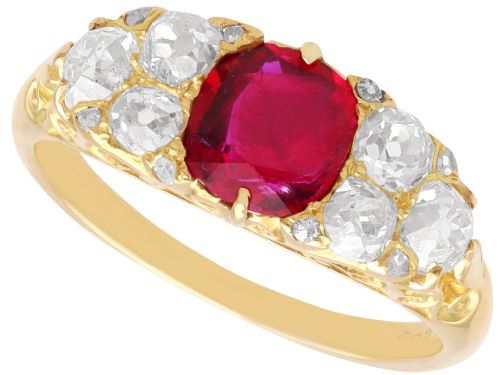
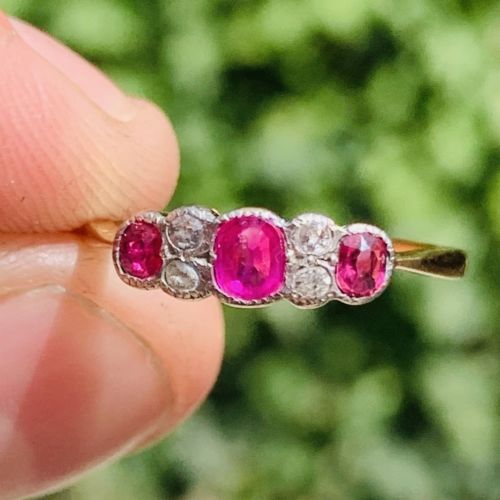
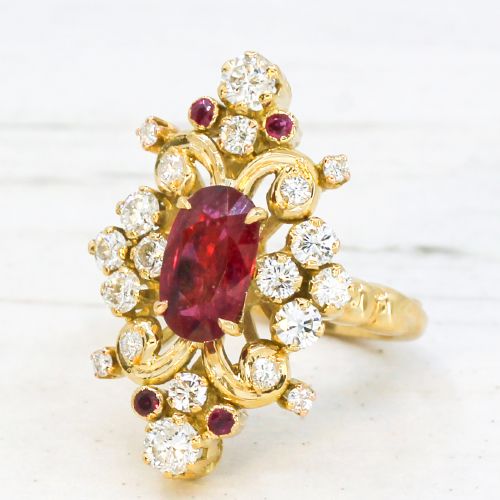
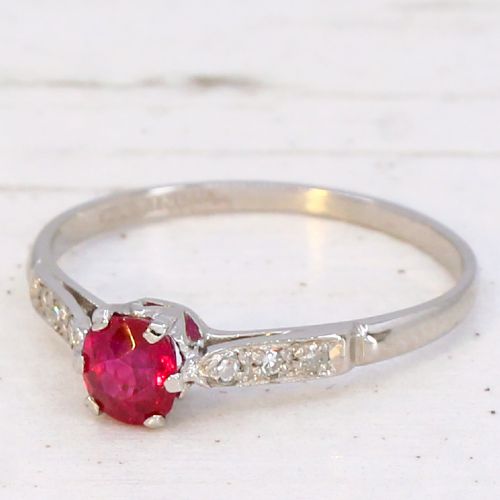
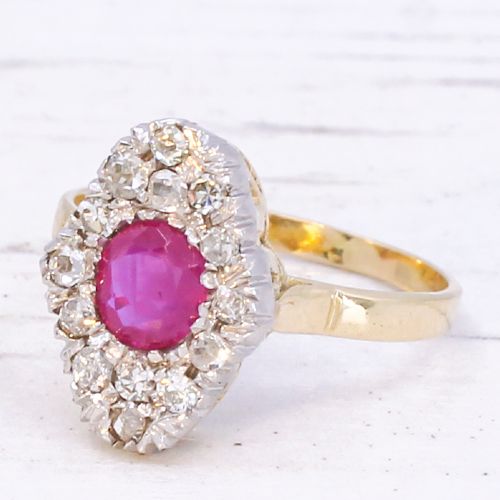
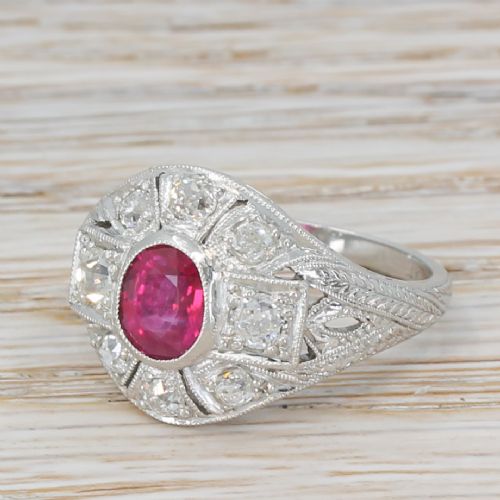
A burmese ruby ring centres on stones originating from Myanmar, specifically famed sources such as Mogok and Mong Hsu, prized for their natural characteristics. When searching for a burmese ruby ring, collectors encounter forms ranging from simple solitaire and twist settings to elaborate cluster and navette designs.
The pieces available span multiple eras, with Victorian, Edwardian, Art Deco, and mid-century examples appearing frequently. These rings pair the central red corundum with supporting diamonds in platinum, yellow gold, white gold, or silver mountings.
Materials and construction
Goldsmiths and platinumsmiths utilised durable precious metals to frame the gems, combining yellow gold and 18ct white gold with dense platinum for secure prong and bezel settings. Older examples often feature silver tops combined with gold shanks to showcase gemstones effectively.
Burmese Ruby Ring Retail Price Guide 2026
Typical asking prices for burmese ruby ring among the pieces listed under this phrase on Sellingantiques today, from the lower quarter to the upper quarter. They describe what is for sale here now, not the wider market.
Some Victorian pieces incorporate natural Burmese spinel alongside rubies, occasionally confusing early gemmologists before modern testing existed.
Factors distinguishing quality
The calibre of a burmese ruby ring depends on the natural colour saturation and clarity of the central gem, alongside any thermal treatment history. Unheated stones with vivid hues from Mogok command particular attention among collectors.
The integration of the supporting diamonds and the precision of the period mounting contribute significantly to the overall distinction of the piece. Heavier metal weight and fine hand-finished detailing elevate the work from standard production to exceptional craftsmanship.
The Burmese Ruby Ring Glossary
- Mogok
- A historic region in Myanmar renowned for producing rubies with exceptional colour and fluorescence. Stones originating from this valley are historically significant.
- Navette
- A boat-shaped setting that tapers to points at both ends, also known as a marquise shape. This silhouette extends elegantly along the finger.
- Cluster ring
- A design featuring a central gemstone encircled by a border of smaller stones, typically diamonds. This arrangement maximises visual impact and light reflection.
- Solitaire
- A ring featuring a single set gemstone without secondary stones flanking the centre. This minimalist approach emphasises the qualities of the main gem.
- Old cut
- A hand-faceted diamond style popular before modern machine-cut standards, characterised by higher crowns and small tables. These cuts produce a softer, warmer gleam under candlelight.
Burmese Ruby Ring: Frequently Asked Questions
How do I identify a Victorian burmese ruby ring?
Victorian examples typically display distinct mounting characteristics such as claw settings, navette outlines, or the pairing of rubies with rose cut diamonds and lower-carat yellow gold.
Examining the underside of the setting and the wear patterns on the metal assists in confirming the nineteenth-century origins of the ring.
What is the difference between Mogok and Mong Hsu rubies?
Mogok rubies originate from the primary alluvial and marble-hosted deposits in Upper Myanmar, historically famous for their deep red hues. Mong Hsu rubies come from the Shan State region and often undergo heat treatment to improve clarity and colour.
Both origins fall under the broader classification of Burmese material found in vintage and antique jewellery.
How should I care for an antique ruby ring?
Precious gems and antique metalwork require gentle cleaning using warm soapy water and a soft brush, avoiding harsh chemical ultrasonic cleaners. Regular inspection of the claws by a professional jeweller ensures the stones remain secure in their original settings.
Removing the ring during heavy manual tasks prevents unnecessary wear on the gold, platinum, or silver band.
Are these rings suitable for everyday wear?
Corundum ranks nine on the Mohs hardness scale, making rubies durable enough for regular use when set securely in robust metals like platinum or 18ct gold. Edwardian and Victorian pieces with delicate openwork or claw settings benefit from more mindful daily care.
Evaluating the thickness of the shank and the condition of the prongs determines how frequently an older ring can be worn safely.