



1930s French Table Light
A 1930s French table light brings geometric lines and industrial glamour to a room, offering warm task or mood illumination.
1930s French Table Light
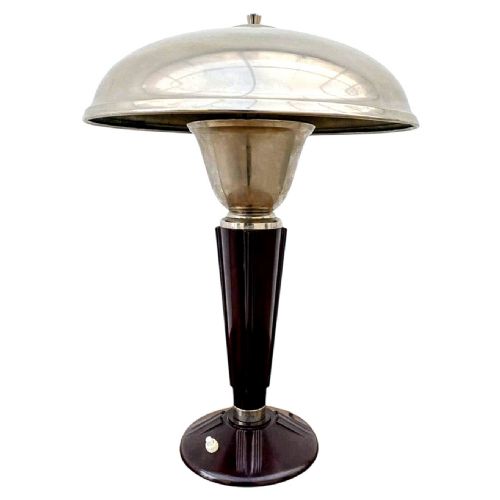
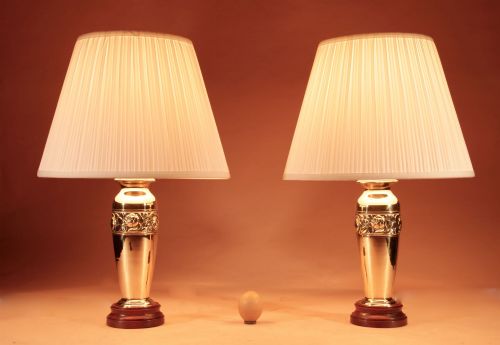
A 1930s French table light encompasses practical desk lamps, architectural task lights, and decorative night lights designed during the height of the Art Deco period. These pieces originate from French workshops and creators, often combining functional illumination with sculptural forms.
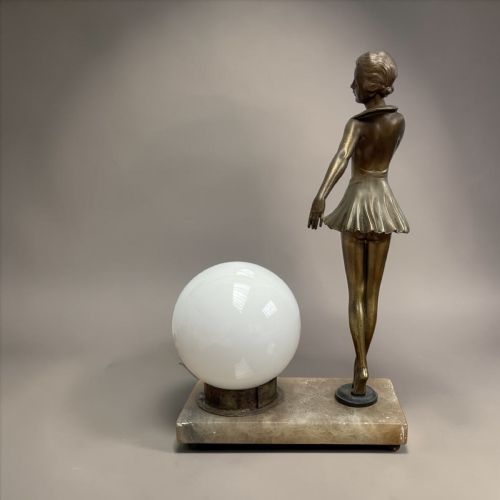
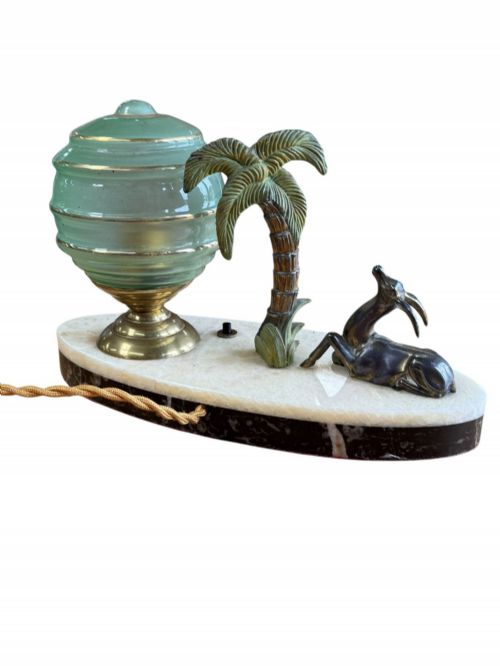
The version most commonly met on this page is the adjustable metal desk lamp or the figural lamp set upon a stone base. Materials span from heavy marble and chrome to moulded glass, reflecting the distinct aesthetic priorities of the era.
How they were made
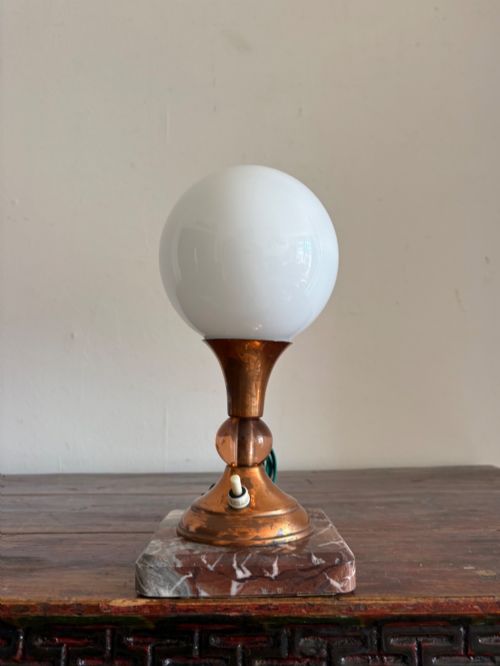
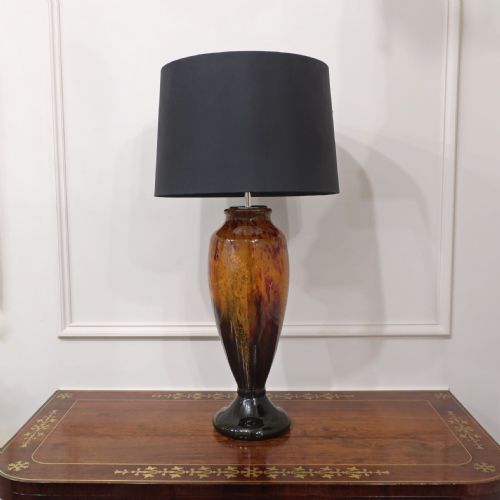
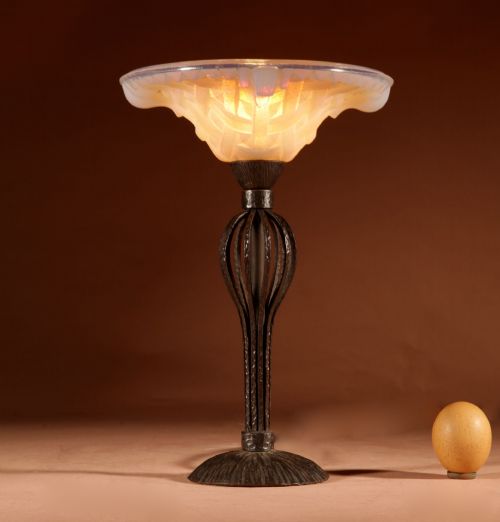
Makers utilised a mix of industrial metals and decorative glass, pairing chrome, brass, and wrought iron with opaline, frosted, or mottled glass shades. Bases frequently incorporated polished marble, granite, or durable Bakelite to provide stability for the heavier metalwork.
Casting techniques shaped the spelter and bronze figural elements, while specialised glasshouses produced acid-etched or opalescent shades. Desk lamps often integrated adjustable joints and articulated arms for directional control.
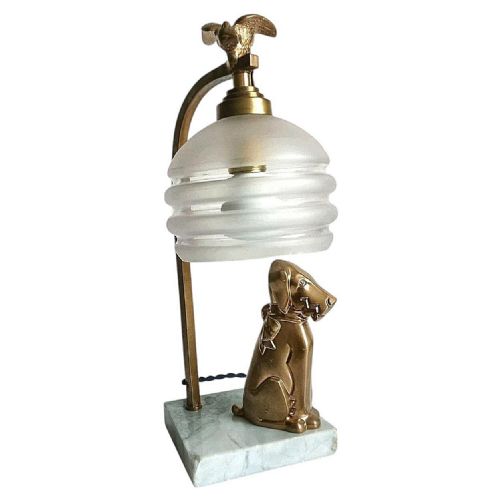
Illuminated dogs, birds, and accordion-playing pierrots guard the desk space.
What varies in quality
The distinction between standard production items and finer examples rests on the identity of the glasshouse and the precision of the metal fabrication. Signed shades from known makers and substantial bases of solid marble or heavy chrome elevate a piece above simpler utilitarian versions.
Attention to detail in the figural castings and the integrity of the integrated switches or adjustable mechanisms separate workshop pieces from mass-market alternatives.
Eileen Grey·Charles Schneider·Lalique·Daum·Muller Bros·Degue·Argilor Paris·Pirouette·Jumo·P Sega
The 1930s French Table Light Glossary
- Bakelite
- An early synthetic plastic used extensively for electrical components, switches, and lamp bases during the period. It provides a distinct tactile finish and deep lustre.
- Spelter
- A zinc alloy commonly utilised as a cost-effective base metal for cast decorative figures and lamp mounts. It is frequently electroplated or painted to imitate bronze.
- Opaline glass
- A semi-translucent white or tinted glass that diffuses light evenly without harsh glare. It is often found in globe and tulip shades.
- Night light
- A smaller scale decorative lamp designed to cast a low-level ambient glow. These frequently feature figural subjects mounted on stone plinths.
- Art Deco
- The dominant design style of the interwar period characterised by geometric symmetry, stylised motifs, and modern industrial materials.
1930s French Table Light: Frequently Asked Questions
How do I identify a 1930s French table light?
Look for characteristic geometric motifs, stepped marble bases, and materials such as chrome, Bakelite, and acid-etched glass. Many examples incorporate stylized animal or figural elements typical of the period.
Maker signatures etched into the glass shades or stamped onto the metalwork provide definitive attribution to period workshops.
Were these lights used for desks or decoration?
They served both practical and decorative functions depending on the specific design. Adjustable metal desk lamps provided focused task lighting for offices and workspaces.
Smaller night lights and figural pieces functioned primarily to cast a soft ambient glow in reception rooms and bedrooms.
How do I care for marble and metal lamps?
Clean metal components with a soft, dry cloth to preserve the original surface finish. Avoid abrasive cleaning agents that can damage antique plating or patination.
Dust marble bases gently and keep them away from moisture to protect the stone and any embedded fixings.
Can these antique lamps be rewired safely?
Most antique lighting benefits from professional rewiring to meet modern electrical safety standards. A qualified electrician can replace aged internal cabling while retaining original switches and lamp holders where possible.