



1930s French Lighting
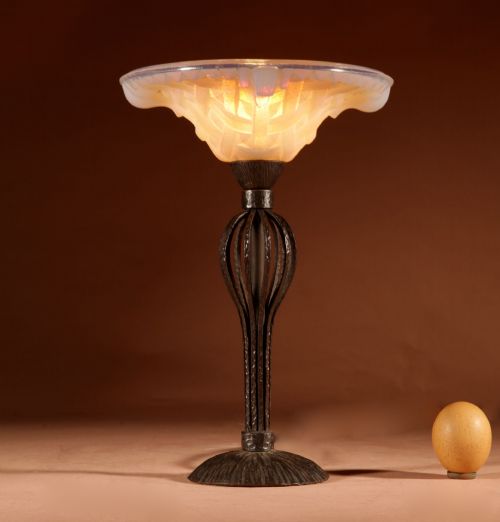
These 1930s french lighting pieces combine bold metals and patterned glass to transform a room with period character.
1930s French Lighting
When you search for 1930s french lighting, you encounter domestic fixtures designed to illuminate interiors through distinctive decorative forms. These pieces span utility and ornament, bringing period materials into everyday spaces.
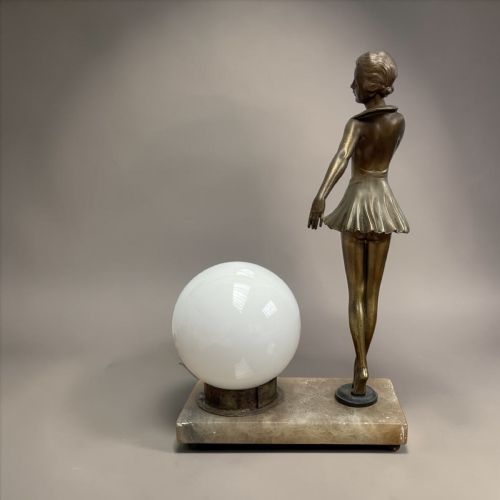
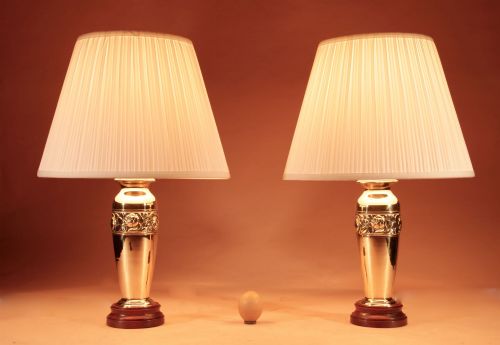
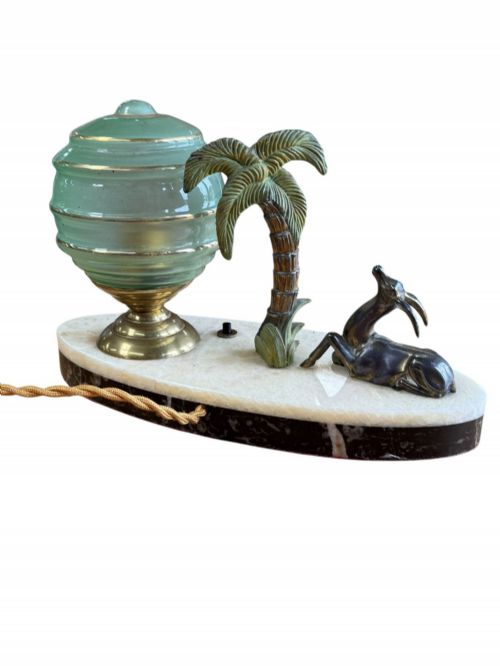
The selections here are dominated by table lamps, wall lights, and ceiling lights shaped by Art Deco aesthetics. Alongside these illuminating objects, you find related items such as lampshades, wall sconces, and occasional sculptural figural lamps.
Originating largely from France during the 1920s and 1930s, these designs reflect the manufacturing ambitions of the period. They bridge heavy structural bases with delicate glass shades to create balanced focal points.
Materials and Construction
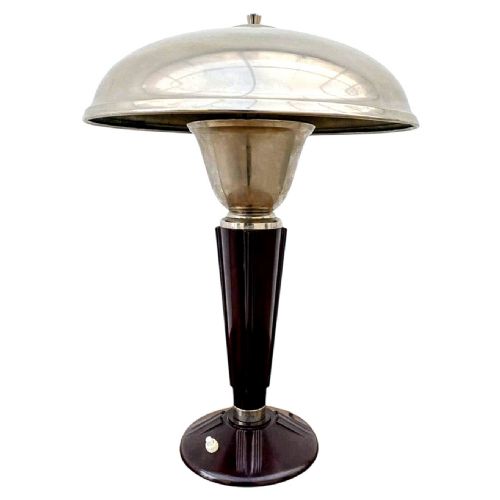
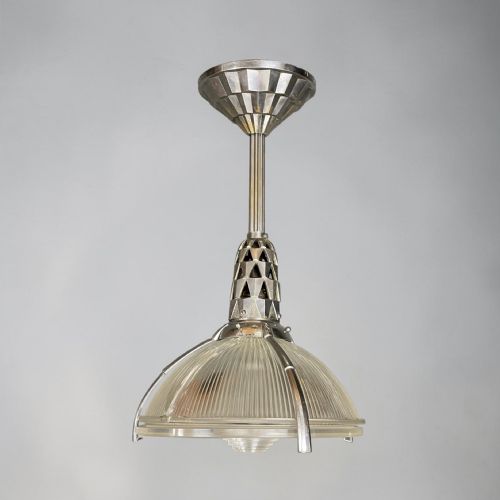
Makers utilised a combination of sturdy metals like brass, bronze, chrome, steel, and wrought iron to form structural frames, bases, and wall brackets. These metals provided the necessary weight and rigidity for tall desk lamps and multi-branched wall lights.
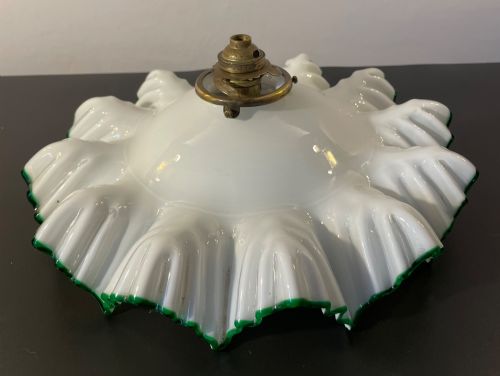
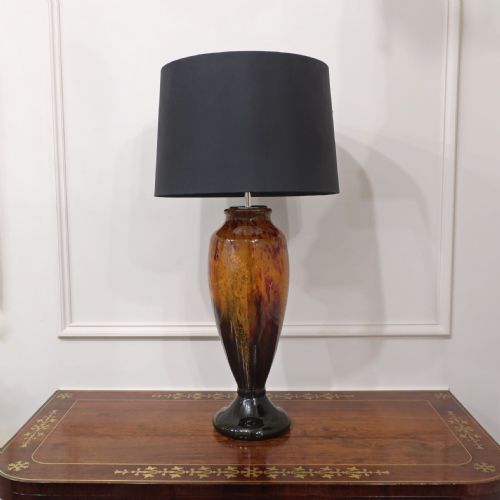
Glass played an essential role, appearing as frosted, opalescent, mottled, or skyscraper shades. Techniques in glass production allowed workshops to integrate moulded patterns that diffused light evenly across the room.
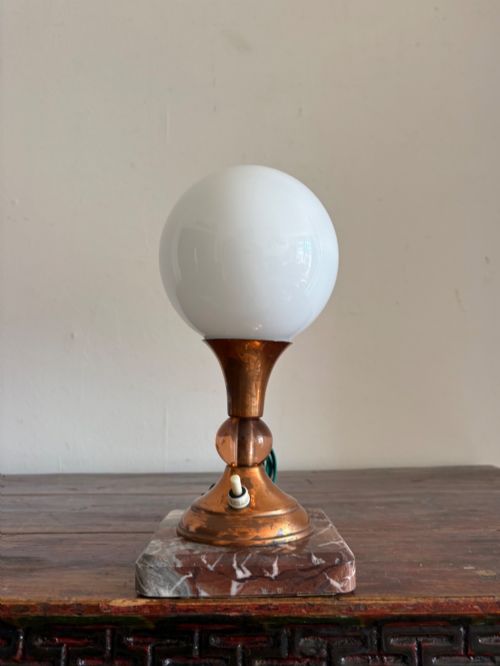
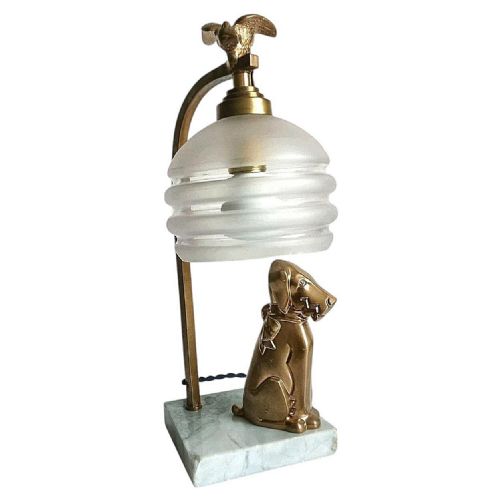
Secondary materials such as marble, bakelite, and spelter frequently appear in bases and decorative details. Artisans anchored metal and glass components onto solid stone or moulded synthetic plinths to ensure stability.
The listings span multiple structural styles, combining Art Deco and French Country forms with Neoclassical Revival influences.
Distinctions in Execution
Quality rests in the precision of the metalwork and the complexity of the glass shaping. Finer pieces demonstrate crisp casting in bronze and spelter, alongside hand-finished patination on nickel and wrought iron.
The distinction between standard production and exceptional execution lies in the integration of signed glass shades and distinct structural materials. Lamps featuring documented glassware carry a heavier artistic presence than generic counterparts.
Proportion and material weight dictate the overall success of the design. Heavier marble bases paired with substantial metal and thick glass indicate a higher grade of manufacture than lighter, utilitarian builds.
Eileen Grey·Émile-Jacques Ruhlmann·Charles Schneider·Lacroix·Lalique·Daum·Muller Bros·Degue·Argilor·Pirouette·Baccarat·Ezan·Jean Gauthier·P.Sega
The 1930s French Lighting Glossary
- Bakelite
- An early form of synthetic plastic used for electrical components and lamp bodies. It offers a dense, durable finish characteristic of the period.
- Spelter
- A zinc alloy commonly cast into decorative figures and lamp bases. It provides a receptive surface for metallic paints and patinas.
- Opaline Glass
- A semi-opaque white or tinted glass that diffuses light softly. It appears frequently in shades designed to reduce harsh glare.
- Plafonnier
- A ceiling-mounted light fixture positioned flush against the surface. These shallow bowls distribute ambient light downward.
- Sconce
- A wall-mounted lighting fixture designed to hold bulbs or candles. They project light outward from vertical architectural surfaces.
1930s French Lighting: Frequently Asked Questions
How do I identify a genuine period piece?
Examine the materials for period-accurate construction techniques, such as heavy brass, wrought iron, and authentic moulded glass shades. Look for maker signatures etched into the glass or stamped onto the metalwork.
Compare the overall weight and proportions against known examples from the era. Genuine items typically feature dense marble bases and quality metal alloys rather than modern lightweight substitutes.
Where should I place a wall light?
Wall lights and sconces suit hallways, living rooms, and bedrooms where ambient illumination is preferred over harsh overhead lighting. Placing them at eye level helps distribute light evenly across vertical surfaces.
Ensure the wiring meets modern safety standards before installation. Paired sconces work well flanking mirrors, doorways, or architectural focal points.
What maintenance do these materials need?
Clean metal components with a soft, dry cloth to preserve the original patina and finish. Avoid abrasive polishes that can strip delicate nickel, chrome, or giltwood surfaces.
Wash glass shades gently with mild soap and water after removing them from the fixture. Ensure all electrical parts remain completely dry during cleaning.
Can I use modern LED bulbs?
Modern LED bulbs work well in these vintage fixtures provided the wattage aligns with the original socket capacity. They generate less heat, which helps protect antique glass and aged wiring.
Consult a professional electrician to check the internal wiring of older table lamps and chandeliers. Rewiring preserves the exterior aesthetic while ensuring safe operation.