





1930s Diamond Drop Pendant
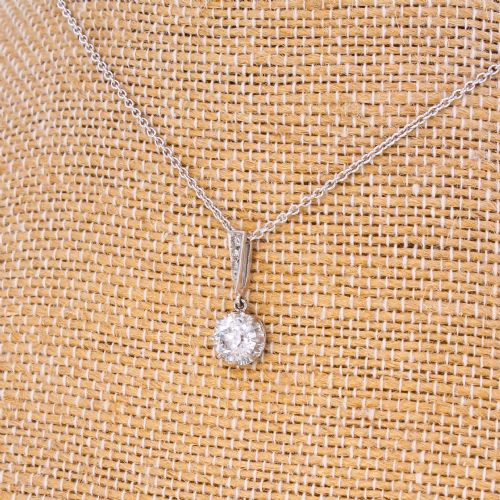
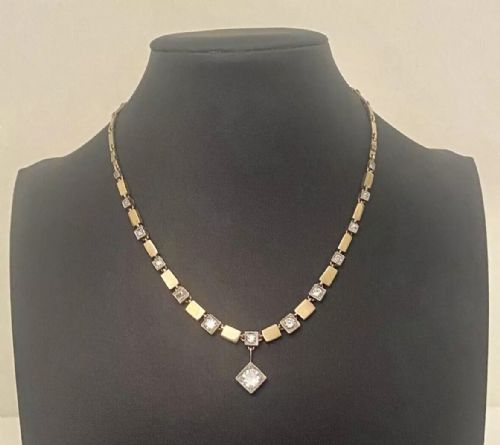
A 1930s diamond drop pendant brings unmistakable Art Deco geometry and brilliance to the neckline, offering timeless elegance.
1930s Diamond Drop Pendant
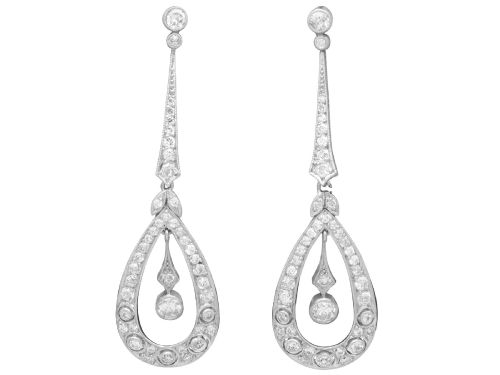
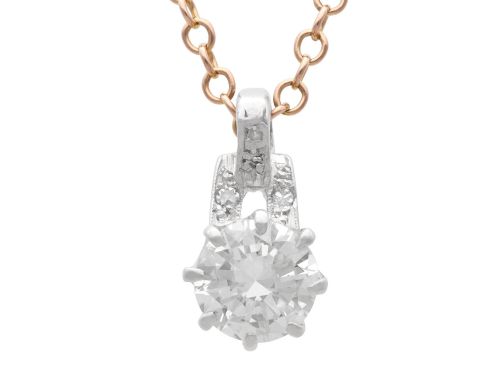
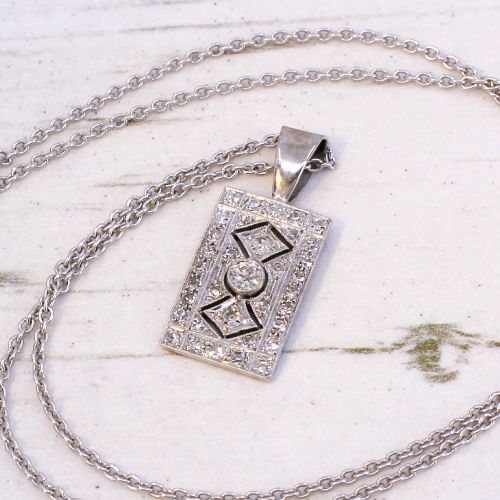
A 1930s diamond drop pendant is defined by its strong Art Deco aesthetic, featuring geometric lines and fine gemstone arrangements. These pieces typically showcase old cut or rose cut diamonds suspended gracefully as pendants, necklaces, or complete jewellery sets from the period.
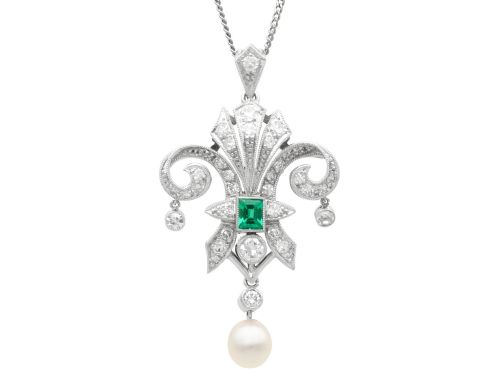
While the primary focus rests on diamond drops, the selection also includes remarkable combinations involving opal, sapphire, onyx, and pearl. Buyers will frequently encounter platinum and white gold settings that define the bright, crisp look characteristic of the era.
The inventory on this page spans distinct pieces originating predominantly from around 1930 and 1935, with occasional Victorian stylistic influences. Forms range from solitary diamond drops to elaborate multi-stone compositions incorporating platinum and gold.
Materials and construction
Makers of the period relied heavily on durable, precious metals like platinum, white gold, 18ct white gold, 14ct rose gold, and palladium to house the stones securely. These metals provided the necessary strength for intricate, delicate frameworks without overpowering the gems.
The gemstones themselves, principally old cut and rose cut diamonds, were paired with natural saltwater pearls, opals, sapphires, and onyx. This careful selection of materials created high-contrast pieces that caught the light from every possible angle.
1930s Diamond Drop Pendant Retail Price Guide 2026
Typical asking prices for 1930s diamond drop pendant among the pieces listed under this phrase on Sellingantiques today, from the lower quarter to the upper quarter. They describe what is for sale here now, not the wider market.
The documented periods span the 1930 Art Deco era, mid-decade pieces around 1935, and occasional Victorian influences.
Assessing quality and craftsmanship
The distinction between standard examples and the finest pieces lies in the total carat weight and the quality of the stone cutting. Heavier diamond carat weights combined with precise old cuts elevate a pendant significantly.
The 1930s Diamond Drop Pendant Glossary
- Art Deco
- A design style characterised by sleek geometric shapes, streamlined forms, and a modernist aesthetic popular during the 1920s and 1930s.
- Old cut
- An early diamond cutting style featuring a smaller table, higher crown, and open culet designed to sparkle effectively under candlelight or gaslight.
- Rose cut
- A classic diamond cut with a domed top covered in triangular facets and a flat base, producing a soft, understated glow.
- Saltwater pearl
- A pearl formed naturally in marine molluscs, prized for its deep lustre and organic origin.
1930s Diamond Drop Pendant: Frequently Asked Questions
How do I wear a drop pendant?
These pendants sit centrally on the chest, making them ideal companions for evening wear or open-necked daytime attire. Their vertical drop shape elongates the neckline naturally.
Ensure the chain matches the metal of the pendant, whether platinum or white gold, to maintain a cohesive appearance.
Are these pieces suitable for daily wear?
While platinum and gold provide sturdy settings, the delicate nature of antique diamond drop pendants requires mindful care. It is wise to remove them during rigorous physical activities.
Store each piece individually in a lined box to prevent scratching against other items in your collection.
How can I tell a 1930s piece from a Victorian one?
Pieces from the 1930s lean heavily into strict Art Deco geometry, abstract symmetry, and white metals like platinum. Victorian items often incorporate warmer rose gold tones and more ornate, romantic motifs.
Checking the hallmark and stone cut can also provide definitive clues regarding the era of manufacture.
What maintenance do platinum and diamond pendants need?
Diamonds accumulate oils from the skin, which can dull their brilliance over time. Regular cleaning with warm soapy water and a soft brush restores their sparkle.
Have a professional jeweller inspect the prongs periodically to ensure the diamonds remain securely seated in their platinum or gold mountings.