

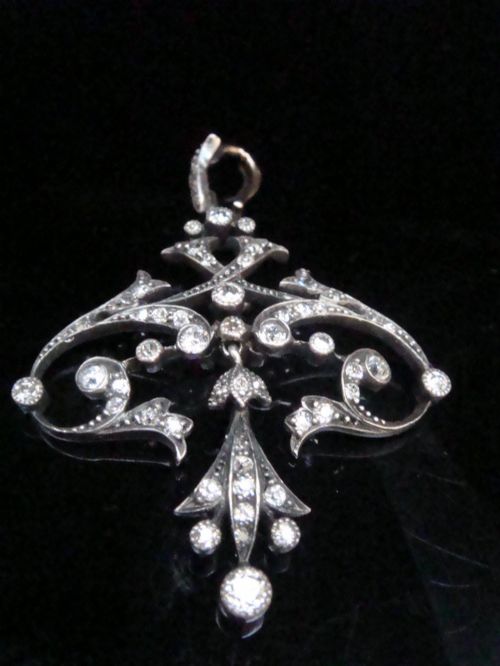


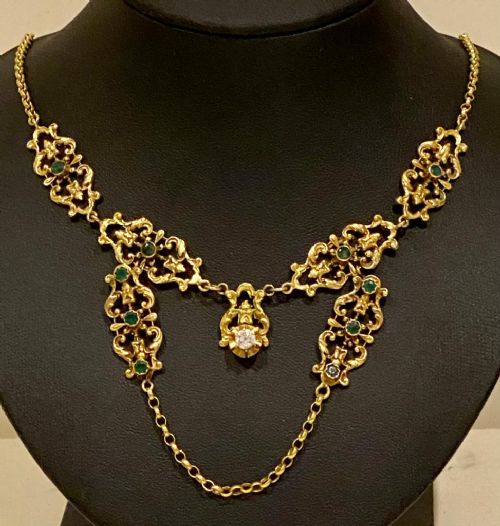


Diamond Lavaliere Pendant
A diamond lavaliere pendant is a delicate drop necklace designed to sway with the wearer, combining fine gemstones with unmistakable period charm.
Diamond Lavaliere Pendant
A diamond lavaliere pendant sits on a fine chain as a suspended pendant, featuring characteristic drop elements that define the form.
The pieces appearing on this page span the Victorian, Edwardian, and Art Deco eras, alongside examples from the nineteen-tens, nineteen-twenties, and nineteen-thirties.
Makers utilised varied materials including platinum, gold, and silver, often pairing diamonds with pearls, amethysts, emeralds, and aquamarines in distinct styles.
How they were made
Metals such as platinum, silver, and yellow, rose, or white gold of varying carats form the structural mounts and chains.
Goldsmiths set old-cut diamonds alongside pearls, amethysts, and other coloured stones using traditional techniques appropriate to each period.
Diamond Lavaliere Pendant Retail Price Guide 2026
Typical asking prices for diamond lavaliere pendant among the pieces listed under this phrase on Sellingantiques today, from the lower quarter to the upper quarter. They describe what is for sale here now, not the wider market.
Gemstones paired with diamonds across these items include pearls, amethysts, aquamarines, and emeralds.
What varies in quality
The refinement of the metalwork and the precision of the stone settings distinguish finer examples from simpler work.
The selection and matching of central stones, whether diamonds, pearls, or coloured gems, dictate the overall distinction of the piece.
Eduard Foehr
The Diamond Lavaliere Pendant Glossary
- Lavaliere
- A pendant necklace featuring a suspended drop or multiple drops that hang below the main neckline. This style gained immense popularity during the late nineteenth and early twentieth centuries.
- Platinum
- A dense, durable, and naturally white precious metal favoured for fine jewellery during the Edwardian and Art Deco periods. It allowed for delicate openwork settings that secure diamonds firmly.
- Old-cut
- A diamond cut style preceding the modern brilliant cut, characterised by a smaller table, higher crown, and deep culet. These stones display a softer, candlelight sparkle.
- Seed pearl
- A very small, natural or cultured pearl often used in tight clusters or delicate swags. They add a shimmering, textural contrast to brighter faceted gemstones.
Diamond Lavaliere Pendant: Frequently Asked Questions
What is a diamond lavaliere pendant?
A diamond lavaliere pendant is an antique drop necklace featuring a central stone or motif suspended below the main chain line. These pieces typically incorporate swinging elements that move with the wearer.
Originating in the late nineteenth century and evolving through the Edwardian and Art Deco eras, they remain prized for their intricate craftsmanship and delicate proportions.
How do I wear an antique lavaliere?
These pendants look best worn against solid fabrics that highlight their intricate openwork metal and sparkling stones. Because the drops are delicate, pairing them with simpler necklines allows the design to take centre stage.
Many Edwardian pieces feature fine platinum or gold chains that sit gracefully near the collarbone, making them suitable for both daytime elegance and evening wear.
How do I date a lavaliere necklace?
Dating relies on examining the combination of metals, gemstone cuts, and stylistic motifs. Victorian examples often feature yellow gold and old-cut diamonds in romantic configurations, while Edwardian pieces lean towards platinum and flowing garlands.
Later pieces from the nineteen-twenties and nineteen-thirties adopt sharper Art Deco geometries or cleaner lines while retaining the characteristic drop format.
Are these pendants fragile?
While antique jewellery requires thoughtful care, these pieces were built to be worn. The fine platinum and gold settings securely hold diamonds and pearls, though the delicate drop sections benefit from careful handling.
Storing them flat in a lined box prevents the fine chains from tangling and protects the suspended stones from unnecessary stress.