

1930s Art Glass
1930s art glass brings geometric clarity and rich colour into modern spaces through decorative vessels and lighting.
1930s Art Glass
Collectors seeking 1930s art glass encounter functional and decorative vessels defined by the prevailing aesthetics of the interwar period. These objects span perfume bottles, decanter sets, and vases shaped by contemporary design movements.
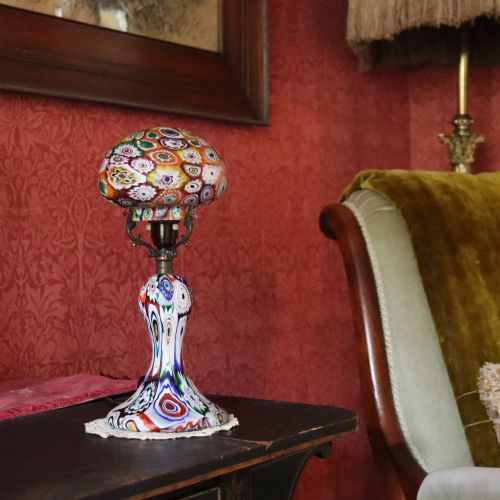
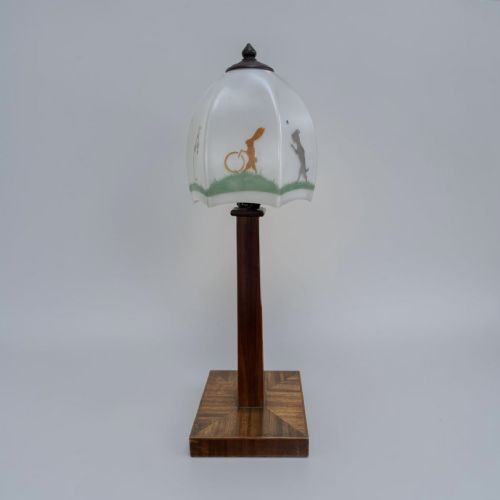
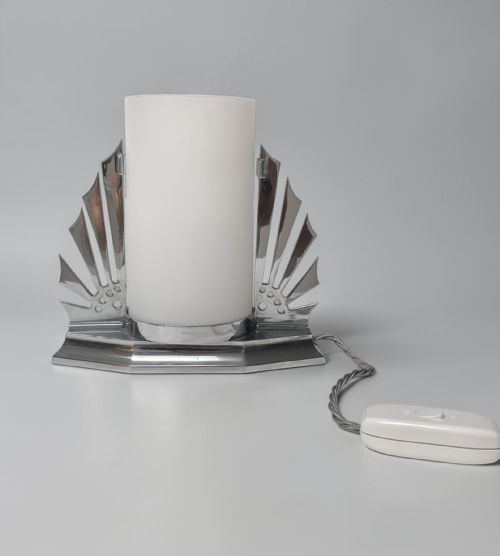
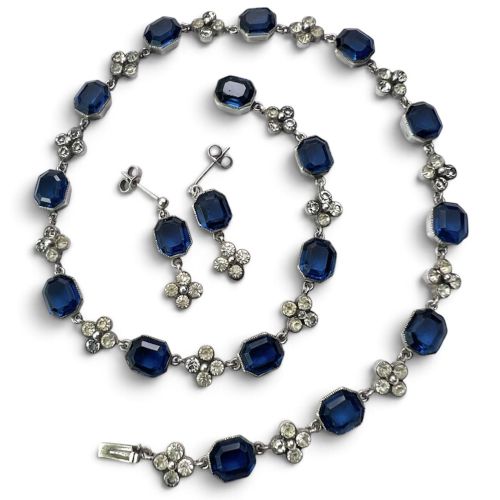
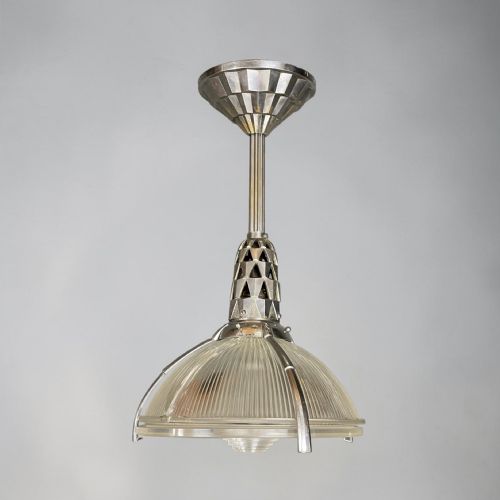
Vases, scent bottles, and table lamps dominate the selection, often incorporating contrasting materials such as chrome or brass mounts. Pieces frequently display clear influences from French and Czech workshops working in moulded or cut crystal.
The objects serve as tangible examples of period manufacturing, ranging from mass-produced household items to individual studio pieces. Tableware and lighting fixtures remain the most common encounters for buyers browsing these categories.
Manufacturing methods and materials
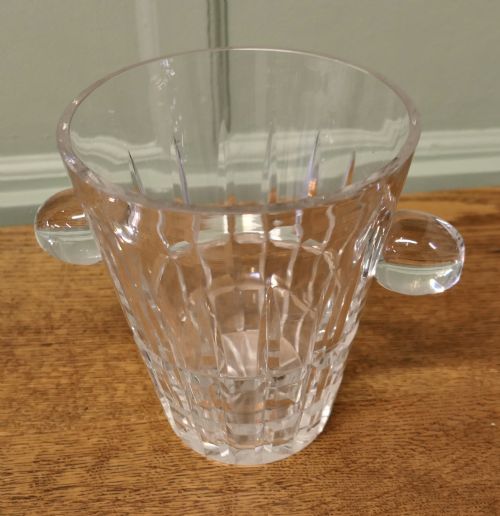
Glassmakers utilised pressing, blowing, and hand-cutting techniques to achieve sharp geometric patterns and sculptural forms. Moulds shaped heavy-walled vessels, whilst subsequent acid-etching or enamelling added surface detail and colour.
Combinations of glass with chrome, brass, and silver plating typify the construction of functional items like atomisers and cocktail sets. Metal mounts provided structural support and contrast to coloured, frosted, or opalescent glass bodies.
Hairdressing salons once relied on reverse-painted glass signs to advertise beauty treatments during the interwar years.
Evaluating craftsmanship and execution
Quality separates mass commercial output from pieces bearing the distinct signature of known designers or specialised continental houses. Precision in the geometric cutting, depth of the glass colour, and weight of the material indicate higher standards.
The integration of metal components with glass bodies dictates the structural integrity of items like lamps and atomisers. Superior examples maintain crisp moulded reliefs and unblemished metal plating without loose fittings.
Karl Palda·Fratelli Toso·Émile-Jacques Ruhlmann·Rene Lalique·Pierre D'Avesn·Sowerby·Marcel Franck·Jaz·Enfield·Dudley & Co
The 1930s Art Glass Glossary
- Opalescent glass
- Glass containing ingredients that cause it to milky-blue in transmitted light and yellowish-brown in reflected light. This effect was widely used by French makers to accentuate sculptural reliefs.
- Atomiser
- A perfume spray bottle fitted with a metal and bulb mechanism. These pieces frequently paired coloured Czech glass with chrome hardware.
- Comport
- A shallow bowl raised on a stem, utilised for serving fruit or display. Period examples combined glass trays with metal pedestals.
- Slip shade
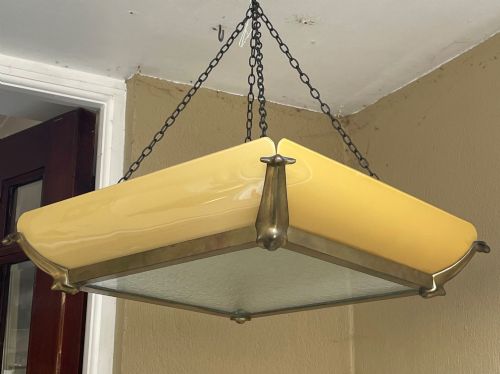
- A moulded piece of glass that slides into a metal frame to form a light fixture. These are characteristic of American and European lighting from the era.
1930s Art Glass: Frequently Asked Questions
How do I identify period pieces?
Examine the weight, manufacturing seams, and surface wear typical of interwar production methods. Genuine examples often feature hand-finished cutting or specific maker signatures embedded in the glass.
Compare the colour palette and geometric motifs against known factory catalogues from Czechoslovakia, France, and England. Unfamiliar weights or modern synthetic materials generally indicate later reproductions.
Were these items used daily?
Many items, including decanter sets, perfume atomisers, and vanity jars, served practical functions on dressing tables and cocktail bars. Their robust glass construction suited regular handling within middle-class and affluent households.
Some decorative vessels and heavy centrepieces remained strictly for display. Functional wear patterns often help distinguish utilitarian pieces from cabinet ornaments.
Can I use vintage lamps safely?
Original wiring often requires professional rewiring to meet contemporary electrical safety standards. A qualified electrician can replace old cords and lamp holders whilst preserving the original metal or glass base.
Check that lamp fittings accommodate modern bulbs without generating excessive heat that could damage vintage glass shades. Inspect the stability of any metal mounts before installation.