





1930s Art Deco Mantel Sculpture
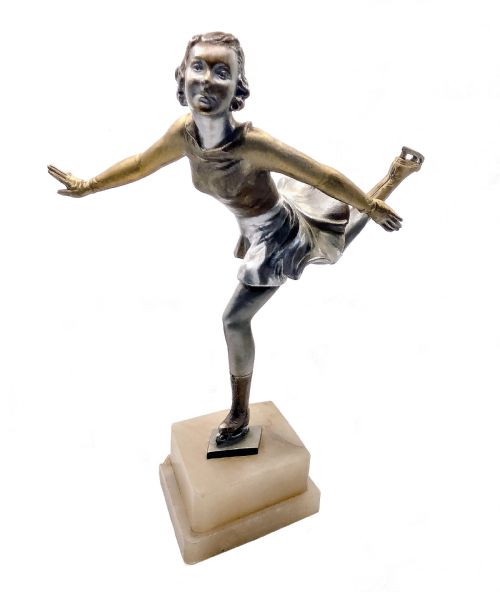
A 1930s art deco mantel sculpture brings geometric rhythm and stylised animal or human forms directly to a fireplace.
1930s Art Deco Mantel Sculpture
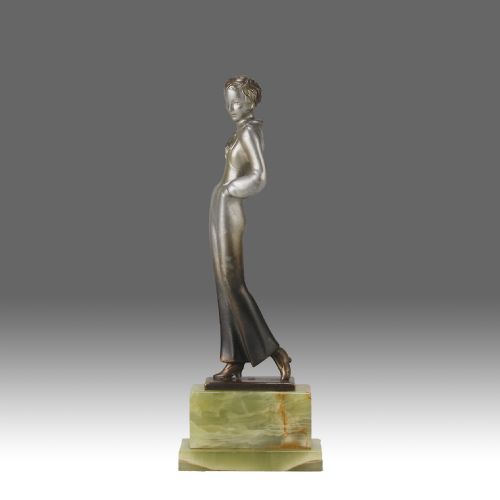
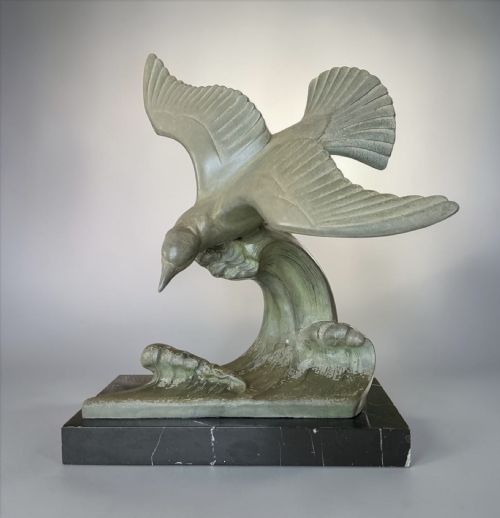
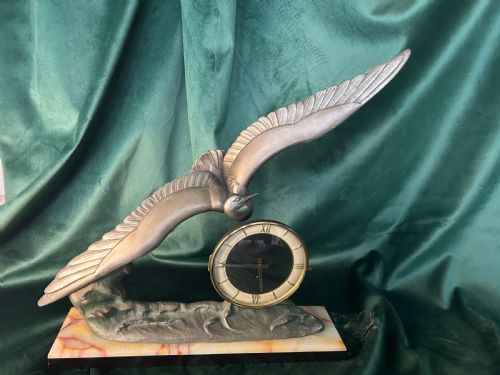
A 1930s art deco mantel sculpture captures the distinct aesthetic of the interwar decades, taking form as dancers, animals, or figural groups positioned on stone bases. These pieces frequently double as functional objects such as mantel clocks, garniture sets, or table lamps.
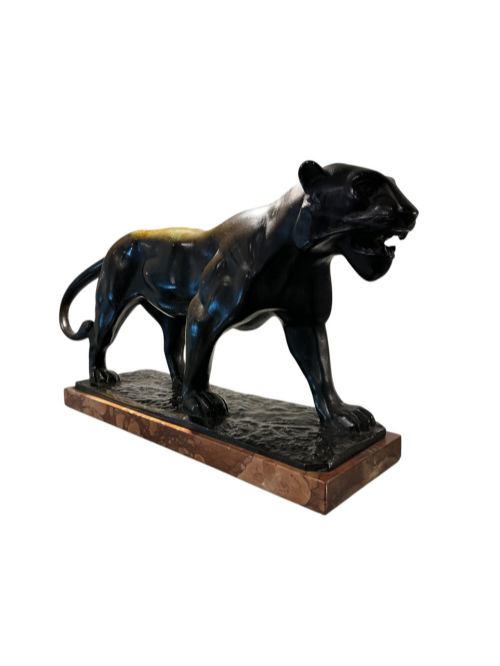
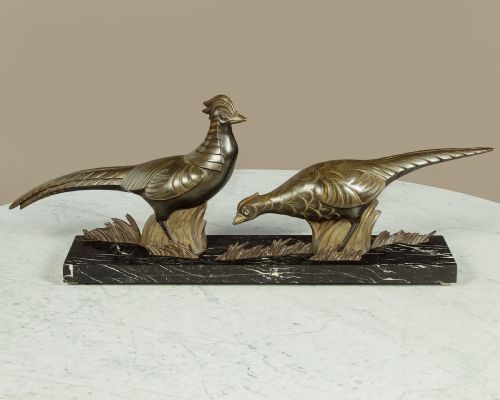
The versions met most often on this page combine cast metal figures with contrasting heavy bases. Subjects range from human dancers and ladies with birds to prowling panthers, hunting dogs, and golden pheasants.
Materials and construction methods
Foundry work relied heavily on casting bronze and spelter, occasionally augmented by cold painting or patinated metal finishes. Spelter offered a more economical alternative to bronze for figurative works while still accepting detailed chisel work and patination.
Object forms recorded here include mantel clocks, table lamps, obelisks, and garniture sets alongside standalone figures.
Distinctions in execution and material
The choice of base material influences the visual weight of the piece. Dense black marble and variegated onyx provide greater stability and visual contrast than simpler stone or wooden plinths.
Josef Lorenzl·Demetre Chiparus·Michel Decoux·Ferdinand Priess·Geo Maxim·Paul Joris
The 1930s Art Deco Mantel Sculpture Glossary
- Spelter
- A zinc alloy commonly utilised as a less expensive alternative to bronze for casting decorative figures. It takes patination well but requires careful handling due to its relative softness.
- Garniture
- A matching set of ornamental objects, typically comprising a mantel clock flanked by two matching vases or sculptural figures. These sets formed a unified decorative scheme on a fireplace mantel.
- Chryselephantine
- A term describing a statue made of a combination of bronze and ivory. These works demand stable environmental conditions to prevent the organic and metallic components from separating.
- Patinated metal
- Metal treated with chemical solutions to produce a specific surface colour or aged finish. This process highlights the sculptural contours and protects the underlying alloy.
- Obelisk
- A tall, four-sided, narrow tapering monument that ends in a pyramid-like shape at the top. Pairs of these stone structures appear as decorative mantel ornaments.
1930s Art Deco Mantel Sculpture: Frequently Asked Questions
What materials make up these sculptures?
The primary materials include bronze, spelter, and patinated metal for the figures, paired with bases made of marble, onyx, or alabaster.
Certain pieces also incorporate cold paint or lighting elements to enhance the overall display.
How do clocks integrate into the sculptures?
Clock movements are set directly into the heavy stone bases, flanked by or incorporated beneath the main sculptural figures.
These integrated clock sets and garnitures served as functional centrepieces for domestic fireplaces.
Are these pieces exclusively French?
While many works originate from France or bear distinct French art deco styling, English pieces also appear in the selection.
Design influences crossed borders freely during the interwar period.
How should I display a heavy marble base?
These pieces require a sturdy mantelpiece or deep shelf capable of supporting significant weight from the stone and metal.
Position them away from direct heat sources to protect the stone and any applied patination.