

1920s Wardrobe
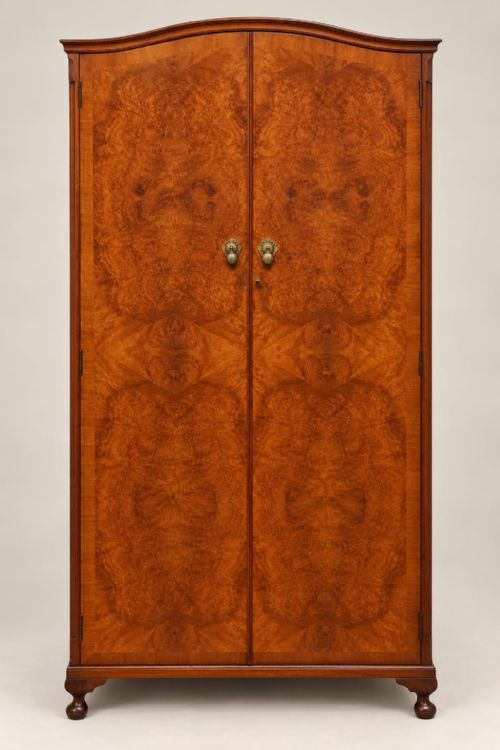
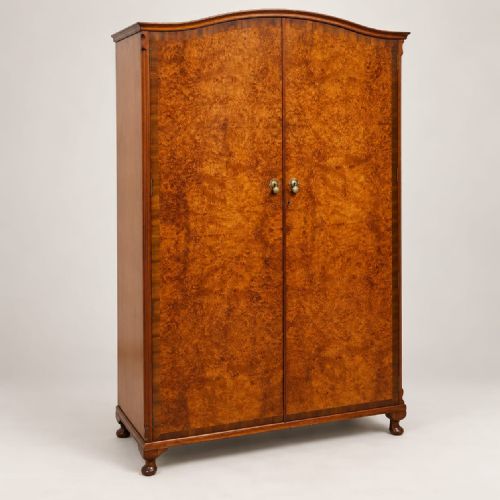
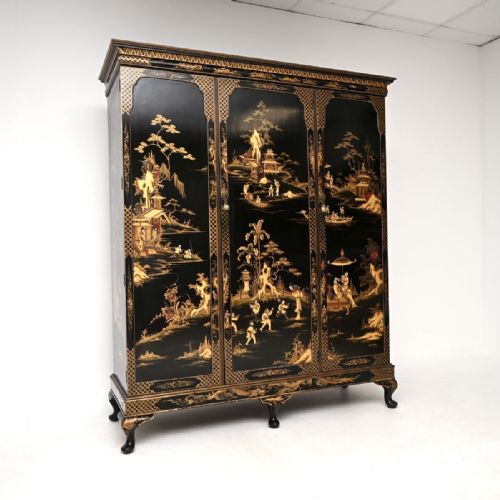
A 1920s wardrobe brings striking period presence to a bedroom, offering generous hanging space wrapped in rich burr walnut, oak or lacquered Chinoiserie.
1920s Wardrobe
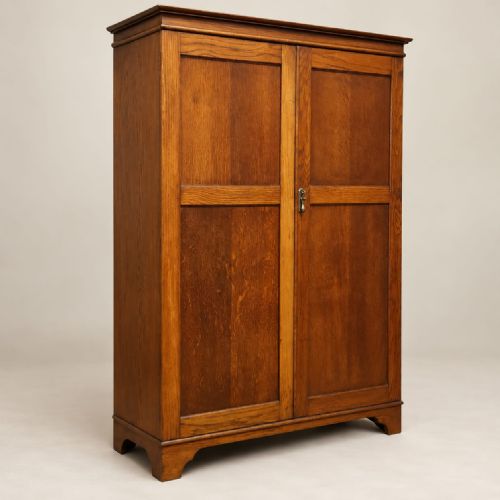
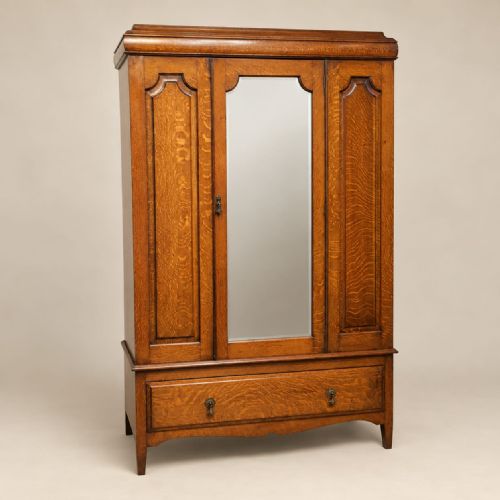
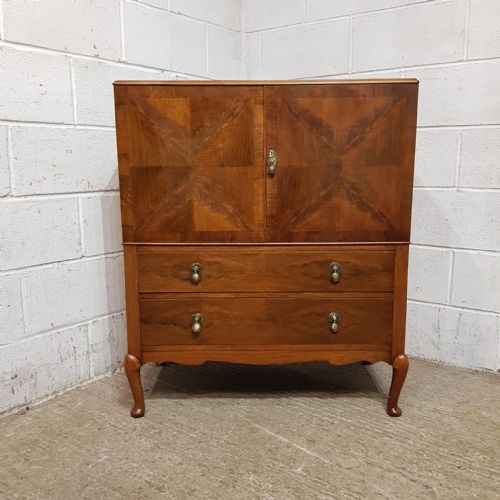
A 1920s wardrobe encompasses substantial bedroom furniture originating from the early decades of the twentieth century, bridging late historic revival styles and bold modernist geometries. Pieces meeting this search span single door hall robes, fitted double and triple compartments, and tallboys designed for domestic storage.
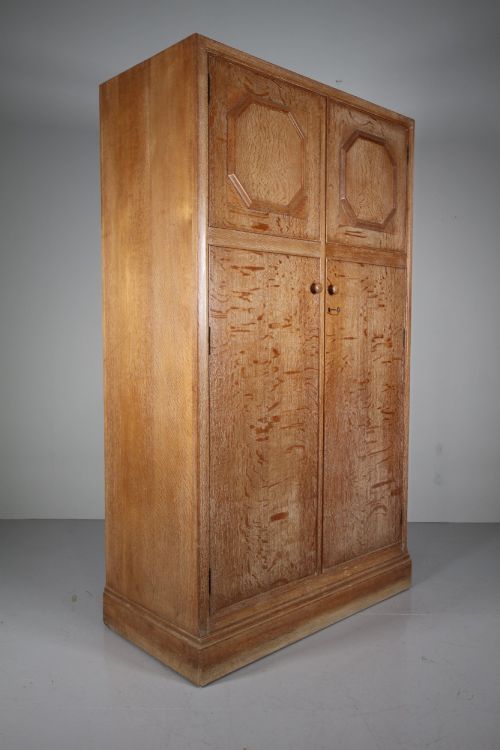
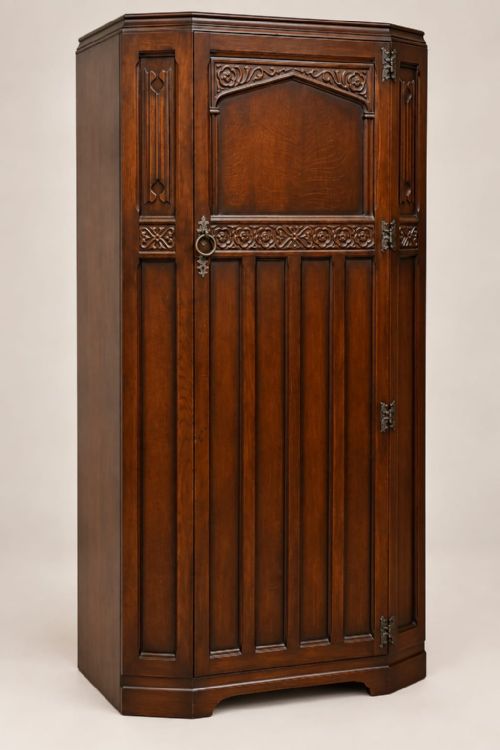
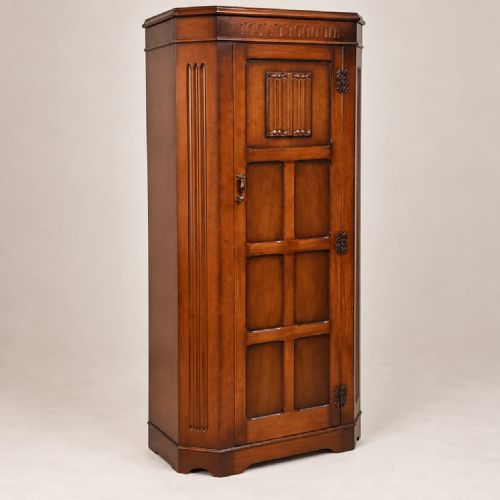
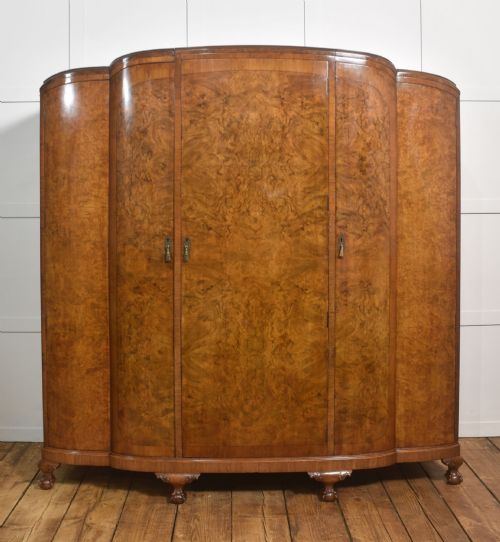
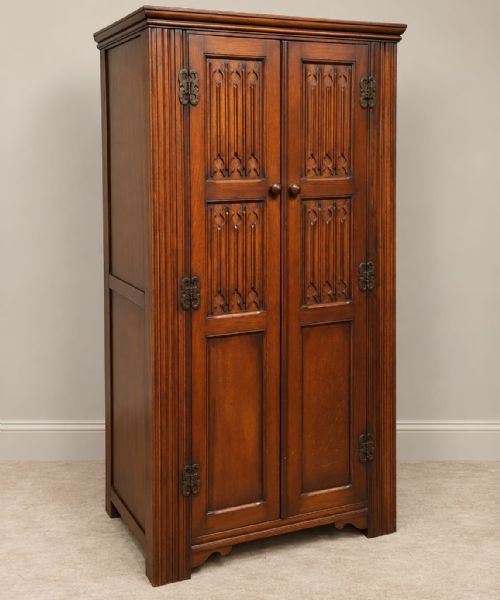
Burr walnut and solid oak form the backbone of the selection, frequently appearing in clean Art Deco lines or traditional revival idioms such as Jacobean and Queen Anne. Buyers encounter everything from compact hall robes with linen fold panels to expansive breakfront and serpentine fronted wardrobes.
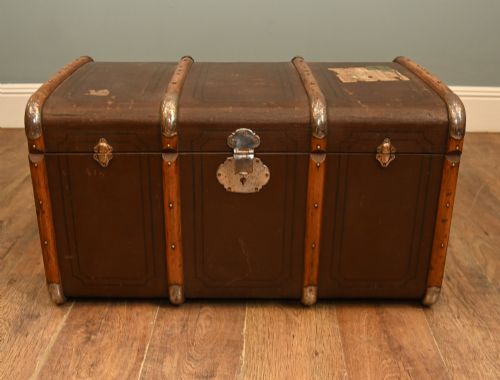
Makers such as Heal's and Hille for Harrods represent the finer end of domestic production, while French ateliers and steamer trunks by Louis Vuitton expand the range into specialised travel luggage and bespoke armoires. The variety reflects a period of transition between heavy historicism and streamlined modernism.
Materials and construction methods
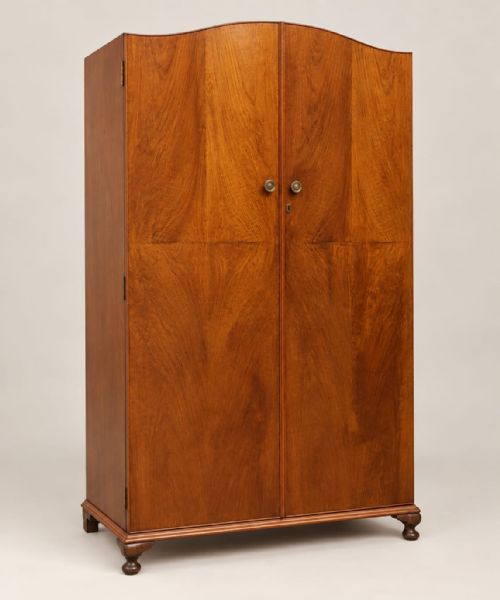
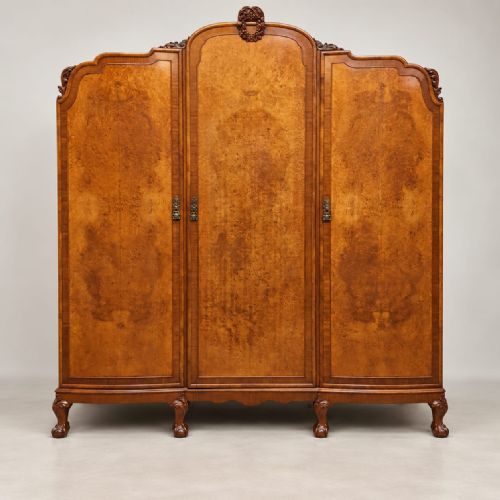
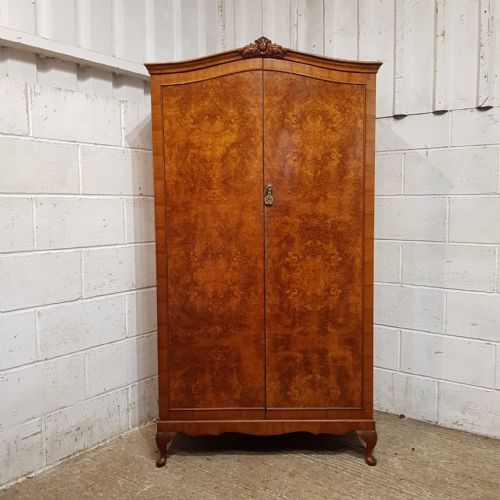
Construction relies heavily on solid oak and figured burr walnut veneers applied over sturdy timber carcasses. Walnut veneer panels showcase intricate grain patterns, particularly on double and triple wardrobe doors, while oak examples often utilise linen fold carving or plain paneling.
Hardware typically incorporates cast brass handles, escutcheons and metal hinges suited to heavy timber doors. Specialised interior fittings, pull-out trays and hanging rails transform the internal capacity of compactum models and tallboys.
1920s Wardrobe Retail Price Guide 2026
Typical asking prices for 1920s wardrobe among the pieces listed under this phrase on Sellingantiques today, from the lower quarter to the upper quarter. They describe what is for sale here now, not the wider market.
Listings span the transition from 1900 Edwardian designs through 1920s classicism to bold 1930s Art Deco forms.
Distinctions in construction and design
Quality separates along the sophistication of timber selection and the complexity of the cabinetwork. Pieces utilising matched burr walnut veneers across serpentine or breakfront facades stand apart from simpler solid oak single door cupboards.
Attribution to known makers like Heal's or signed pieces by makers such as Jean Faure elevates the standing of a wardrobe. Interior configuration also dictates utility, with fitted compartments, compactum shelving and integrated dressing components representing higher tiers of period design.
Heal Of London·Hille for Harrods·Jean Faure·Louis Vuitton France
The 1920s Wardrobe Glossary
- Burr walnut
- A veneer taken from the growth burls of the walnut tree, prized for its swirling, highly figured grain patterns. It provides a decorative surface on 1920s cabinet doors.
- Compactum
- A multi-functional wardrobe combining hanging space with internal drawers, shelves and compartments. This design maximises storage within a single footprint.
- Tallboy
- A tall chest of drawers or a combination wardrobe elevated on legs or a base. It offers vertical storage for smaller bedrooms.
- Linen fold
- A carved wooden panel motif imitating folded linen cloth. It appears frequently on oak furniture influenced by earlier revival styles.
- Serpentine front
- A cabinet front featuring a convex centre flanked by concave curves. This contour requires precise carpentry and high-grade timber.
1920s Wardrobe: Frequently Asked Questions
How do I choose between a double and a triple wardrobe?
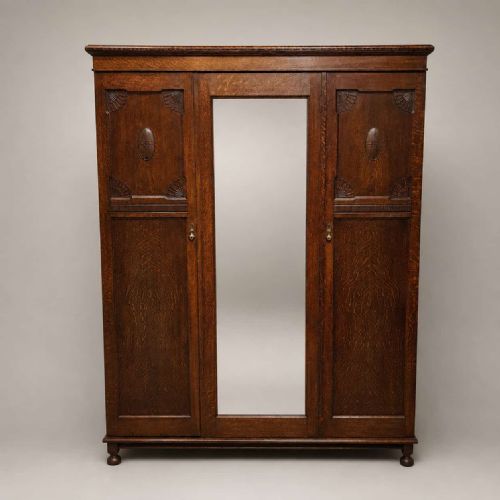
Double wardrobes suit smaller rooms and provide standard hanging capacity alongside internal shelving. Triple configurations offer greater width and often incorporate central mirror doors or dedicated compartments.
Consider your available wall space and storage requirements before selecting a format. Larger triple pieces provide substantial presence in a master bedroom.
What is a compactum wardrobe?
A compactum integrates hanging space, drawers and shelving into a single unified cabinet. These pieces divide the interior efficiently to hold various types of clothing.
They represent a practical evolution in early twentieth century bedroom design. The layout suits modern living where separate drawer units might crowd a room.
How do Art Deco wardrobes differ from revival styles?
Art Deco examples feature streamlined silhouettes, geometric symmetry and figured burr walnut or satin birch veneers. They embrace modernity without excessive historic ornament.
Revival styles draw on Jacobean, Gothic or Queen Anne traditions, incorporating linen fold panels and darker oak. Your choice depends on whether you prefer sleek modernity or traditional carved detail.
Can I fit modern hangers inside an antique wardrobe?
Many early twentieth century wardrobes feature shallower depths than contemporary units, sometimes requiring front-to-back hanging rails or specialised shorter hangers. Check the internal depth dimensions before purchasing if you plan to hang standard adult garments.
Some pieces provide traditional side-to-side hooks or sliding rails. Adapting the interior requires care to preserve the original timber construction.