


1920s Silver Pendant
These 1920s silver pendant pieces capture the geometric rigour and bold ornamentation of the interwar period.
1920s Silver Pendant
A 1920s silver pendant unites the characteristic geometry of Art Deco design with the cool gleam of silver or sterling silver. Buyers find these ornaments suspended from matching chains or incorporated into longer necklaces.
The objects on this page span several decades, reaching back into the nineteenth century while focusing heavily on pieces dated to 1920 and 1930. Alongside conventional pendants, the selection includes related items such as propelling pencils and compacts.
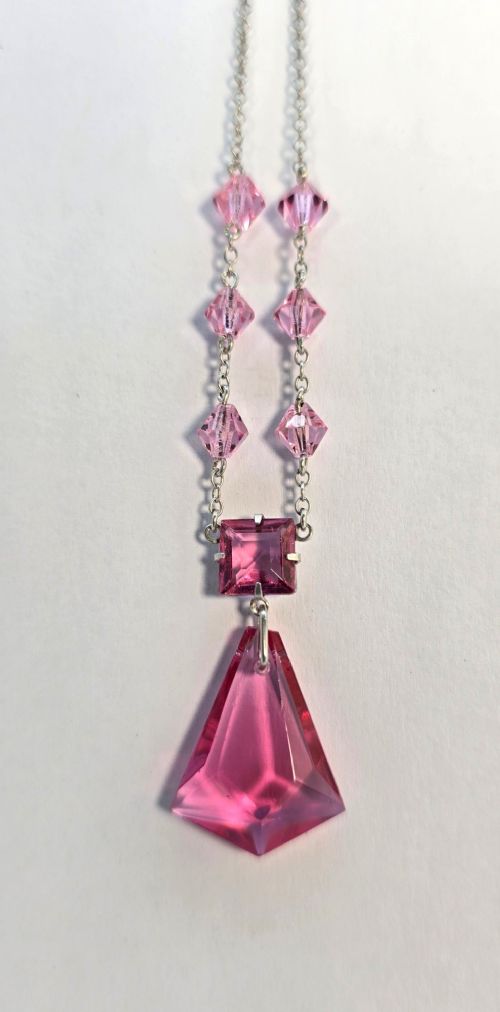
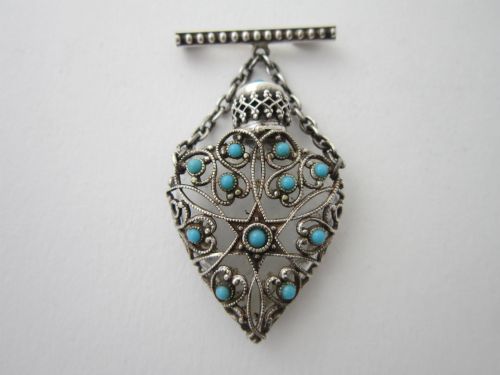
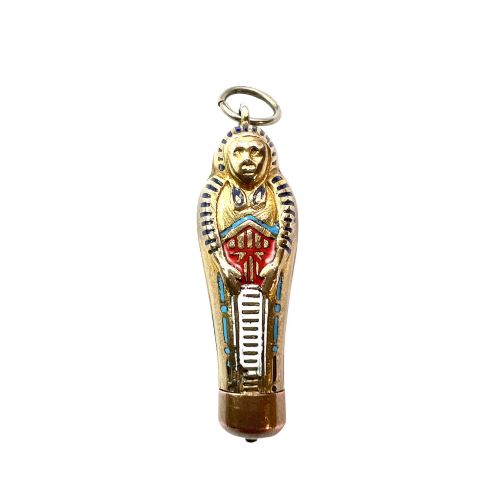
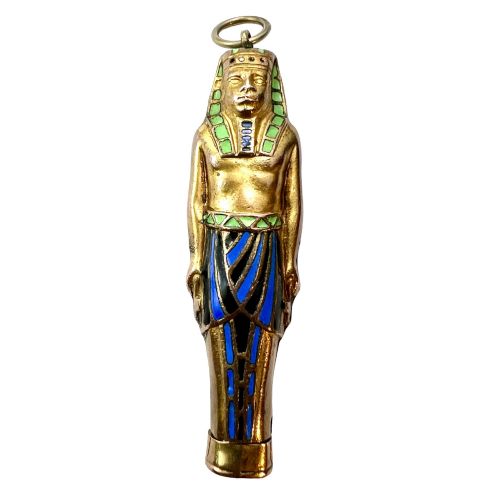
Art Deco styling dominates the group, accompanied by occasional examples of Egyptian Revival, Neo-Classical, and Arts and Crafts design. The most typical versions feature silver settings framing gemstones, enamel, or glass.
Assessing quality and craftsmanship
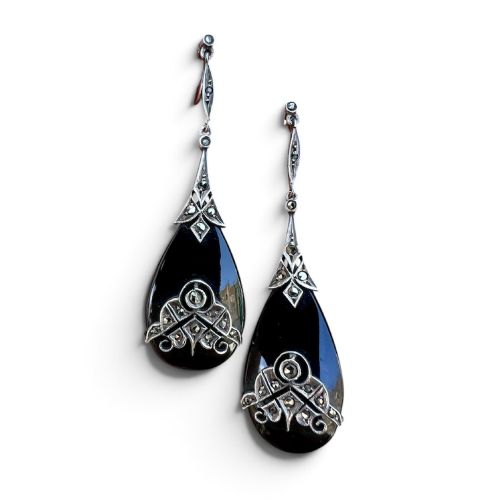
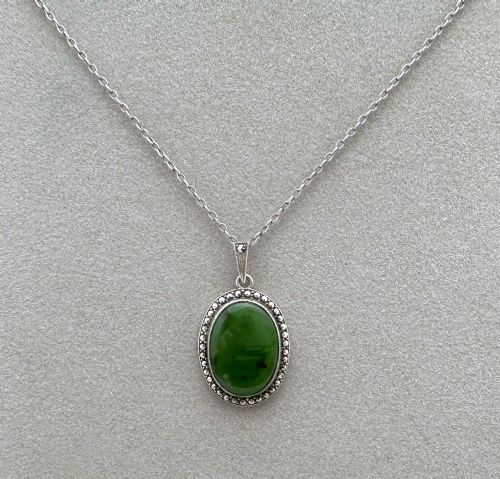
Quality rests upon the precision of the metalwork and the careful setting of stones such as marcasite, paste, and crystal. Finer pieces demonstrate exact alignment in geometric patterns and secure claw or bezel settings.
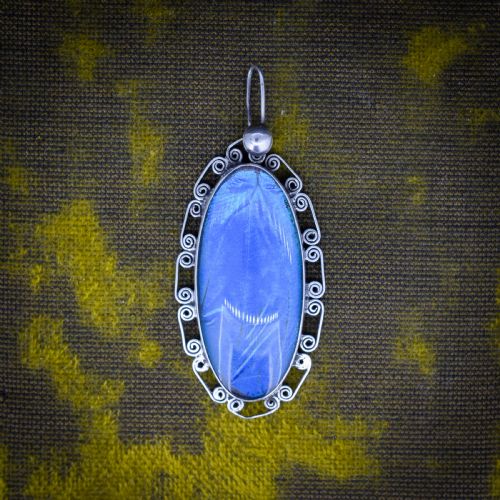
The depth and clarity of guilloché enamel or the preservation of delicate butterfly wing panels further distinguish superior examples. Maker attribution also plays a role, with documented pieces from known workshops holding distinct interest.
Football players and compacts join the jewellery, proving that 1920s silver enthusiasts liked to celebrate sports and powder their noses in style.
Émile-Jacques Ruhlmann·Henry Matthews·Knoll and Pregizer·Thomas L Mott·Henry Perkins and Sons
The 1920s Silver Pendant Glossary
- Art Deco
- A design style characterised by sleek geometric shapes, stylised floral motifs, and streamlined forms. It dominated decorative arts during the 1920s and 1930s.
- Marcasite
- Small faceted pieces of iron pyrite set closely into silver mounts to resemble sparkling diamonds. This technique provided affordable brilliance during the period.
- Guilloché enamel
- Decorative enamel applied over a metal surface that has been engraved with an intricate repetitive pattern. The underlying engraving shows through the translucent coloured glass layer.
- Paste
- Hand-cut and polished lead glass used to imitate gemstones. In period jewellery, paste stones were mounted with the same care as genuine gems.
- Sterling silver
- An alloy of silver containing ninety-two point five percent silver and seven point five percent other metals, usually copper. It provides durability for intricate pendant settings.
1920s Silver Pendant: Frequently Asked Questions
What defines a 1920s silver pendant?
These pieces are small ornamental decorations worn around the neck, produced in silver during the early twentieth century. They often incorporate Art Deco geometric lines alongside gemstones, enamel, or glass.
Many examples date precisely to the 1920s or 1930s, reflecting the aesthetic preferences of the interwar era. They range from simple silver drops to elaborate jewelled compositions.
How do I care for silver and enamel?
Silver components benefit from gentle cleaning with a soft cloth to maintain their lustre without damaging adjacent stones. Enamel and butterfly wing panels require protection from moisture and harsh chemical dips.
Storing each piece separately prevents scratching between the metal settings and softer decorative elements like glass or jade.
Are all these items necklaces?
While many listings feature pendants on chains or integrated into necklaces, the category also includes standalone pendant drops and related accessories. Examples range from mirrored compacts to enamelled propelling pencils designed to be worn.
Each item utilises suspension loops or bails characteristic of the period's wearable accessories.
How are different periods identified?
Period attribution relies on stylistic traits such as Art Deco symmetry, specific material combinations like marcasite and silver, and occasionally direct hallmarks. Makers' marks and date letters stamped into the metal provide precise chronology.
Earlier nineteenth-century pieces or later 1930s variations display subtle shifts in proportion and decorative vocabulary.