






1920s Silver Box
A 1920s silver box brings tangible geometry and period weight to a dressing table.
1920s Silver Box
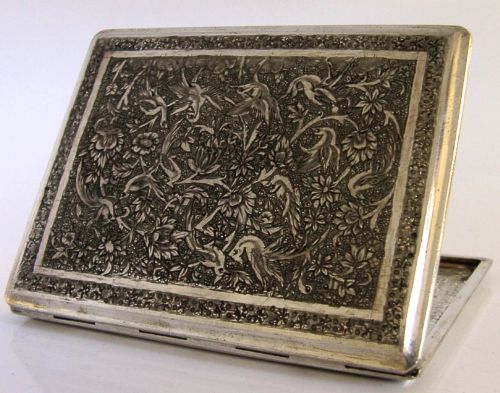
A 1920s silver box encompasses small lidded vessels produced during the interwar years, primarily taking the form of trinket boxes, powder compacts, and cigarette cases. These items emerge from periods styled as George V, Art Nouveau, and early Art Deco, reflecting the changing aesthetic priorities of the decade.
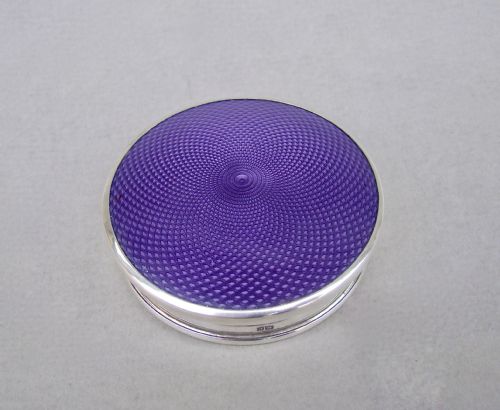
The version most likely to meet you on this page is a British sterling silver trinket or dressing table box carrying a Birmingham hallmark from the early nineteen-twenties. These frequently combine solid silver mounts with glass bodies, enamel decoration, or wooden interiors.
Beyond standard tabletop trinket containers, the broader category stretches to encompass related vanity jars, vesta cases, and cigarette boxes fashioned from silver, silver plate, and occasionally contrasting materials like oak or tortoiseshell.
Materials and construction
Makers utilised sterling silver and silver plate for structural housings, stamping, casting, and soldering metal sheets to form hinged or lidded containers. Hallmarks stamped directly into the metal record the assay office, city, and year of manufacture.
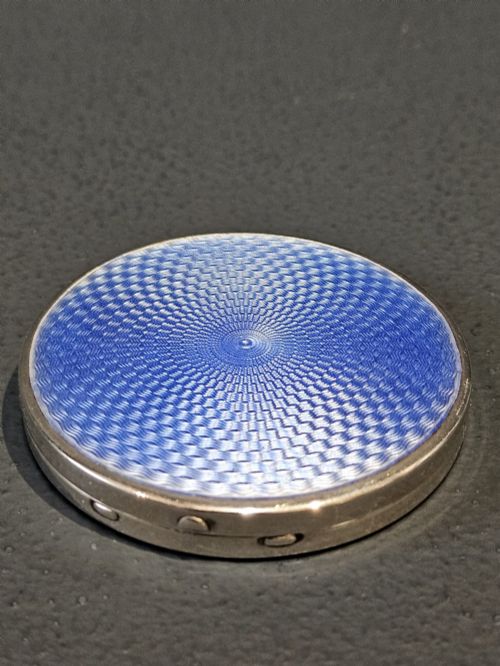
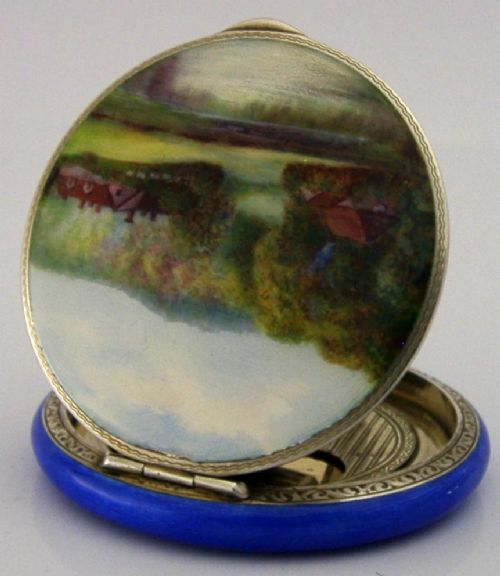
Surface decoration frequently involved guilloche enamel, hand painting, or tortoiseshell insets fitted securely into silver bezels. Glass elements such as cut glass or Kralik glass provided transparent or coloured bodies paired with matching silver lids.
Internal components relied on secondary materials including velvet, silk lining, wood, or celluloid to protect contents such as cigarettes, powder, or jewellery.
1920s Silver Box Retail Price Guide 2026
Typical asking prices for 1920s silver box among the pieces listed under this phrase on Sellingantiques today, from the lower quarter to the upper quarter. They describe what is for sale here now, not the wider market.
Canines make a surprise appearance in the archive, immortalised as a sterling silver pug dog vesta case from nineteen twenty-two.
Distinctions in quality
The calibre of a piece rests heavily upon the crispness of its hallmarks and the precision of its mechanical joints, particularly the alignment of hinges and the tight closure of lids. Substantial metal gauge weight separates robust items from lighter, more fragile counterparts.
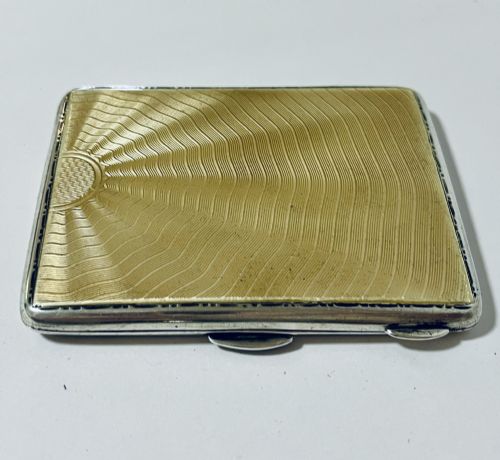
Enamelled surfaces demonstrate quality through the preservation of the glass paste, noting the absence of chips, cracks, or heavy scratching within the engine-turned guilloche patterns. Hand-painted details and signed maker marks indicate superior workshop standards.
A. J. Pepper & Co·Henry Clifford Davis·Henry Matthews·The Daniel Manufacturing Co·Wilmot Manufacturing Co
The 1920s Silver Box Glossary
- Guilloche enamel
- A decorative technique where an intricate geometric pattern is engraved mechanically beneath translucent enamel. This method was widely applied to dressing table sets and compacts during the interwar period.
- Hallmark
- An official stamp applied by an assay office to indicate the purity of the metal, the maker, and the year of production. British examples typically feature a lion passant, a city mark, and a date letter.
- Vesta case
- A small pocket container designed to hold matches, usually fitted with a striker on the base. These match safes often mirror the geometric motifs of contemporary cigarette cases.
- Kralik glass
- Art glass produced by the Kralik factory, known for iridescent surfaces and vibrant colour combinations. When mounted with silver lids, these pieces served as luxury trinket boxes.
- Sterling silver
- An alloy consisting of pure silver and other metals, usually copper, standardised at 92.5 percent purity by weight. This composition provided the necessary durability for functional boxes and vanity items.
1920s Silver Box: Frequently Asked Questions
What were these boxes used for?
These vessels served practical daily functions on dressing tables, desks, and in pockets. Owners stored small valuables, trinkets, loose powder, stamps, or cigarettes inside them.
The inclusion of velvet linings or divided interiors often indicates a specific purpose, such as safeguarding jewellery or holding dry cosmetics.
How do I identify the date?
Dating relies primarily on the stamped hallmarks found on the silver components. British pieces feature specific date letters assigned by assay offices like Birmingham or London.
Stylistic markers such as strict geometric Art Deco lines or flowing Edwardian remnants provide additional chronological context when hallmarks are absent or worn.
Are all boxes solid silver?
Many examples consist of sterling silver or continental silver standards, but a significant portion utilises silver plate over base metals. Other constructions pair silver lids with glass, wood, or tortoiseshell bodies.
Checking for hallmark stamps confirms whether the entire housing or merely the mount is solid precious metal.
How do I care for enamelled pieces?
Enamel requires gentle handling to prevent chipping or scratching of the glass surface. Avoid abrasive cleaners, harsh chemicals, and prolonged exposure to direct sunlight.
Dusting with a soft, dry cloth is sufficient for routine maintenance of both the silver mounts and the decorative enamel panels.