
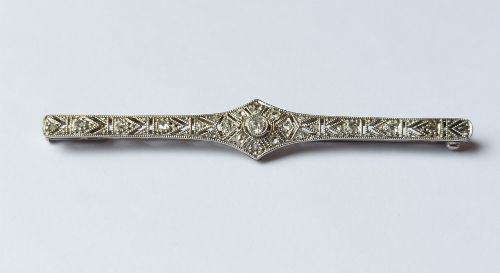

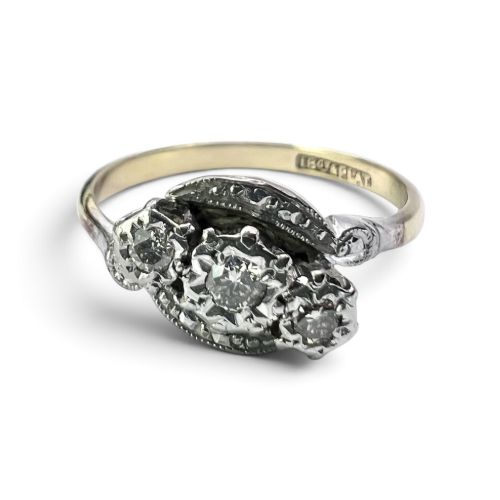
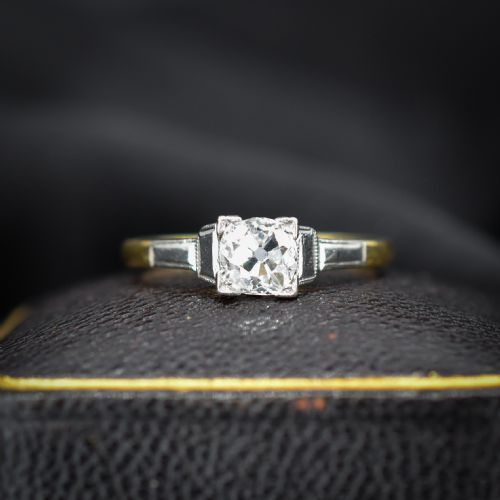
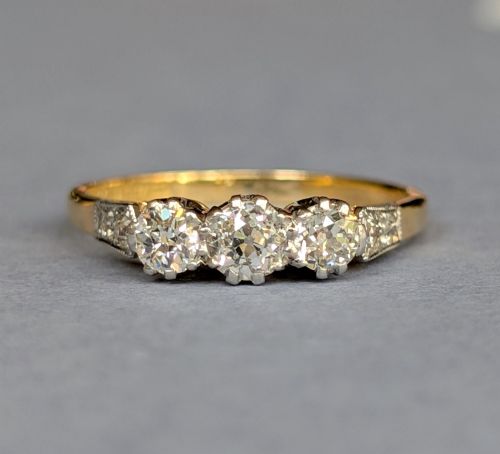

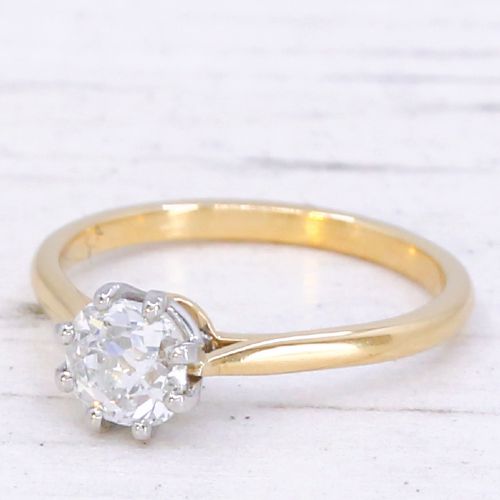

1920s Platinum Diamond Jewellery
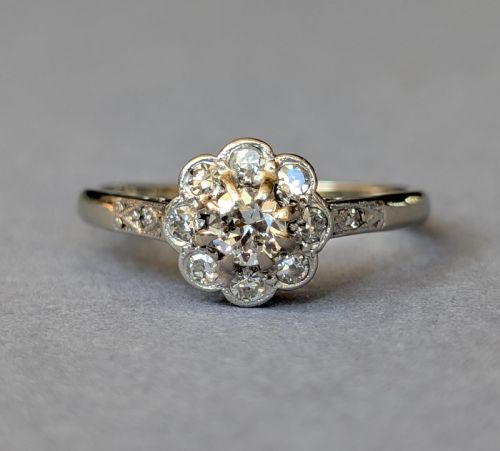
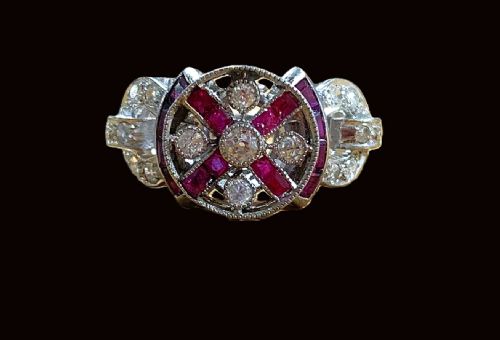
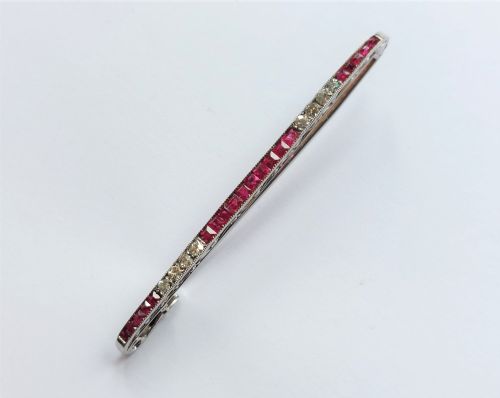
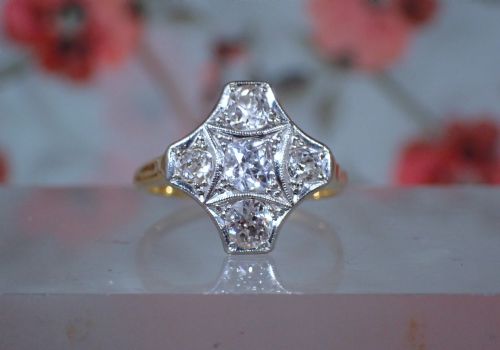
These pieces of 1920s platinum diamond jewellery capture the geometric precision and brilliant stone settings of the Art Deco era.
1920s Platinum Diamond Jewellery
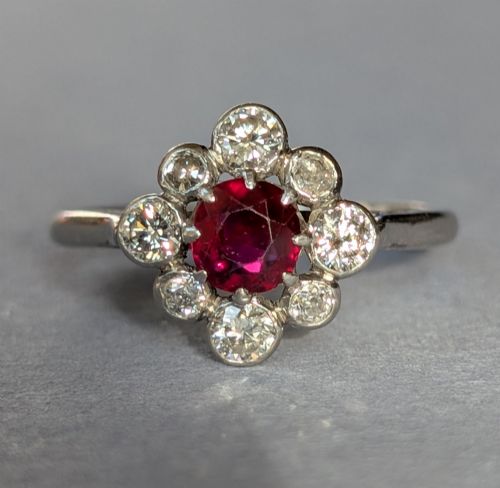
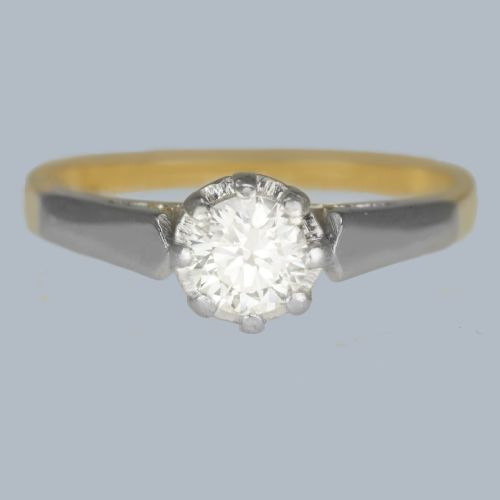
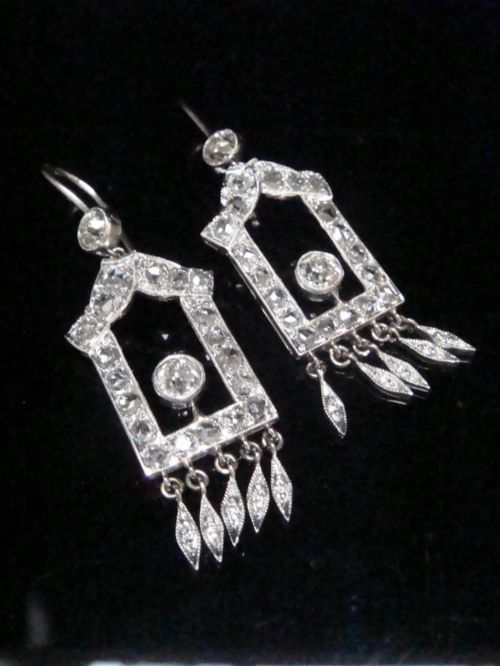
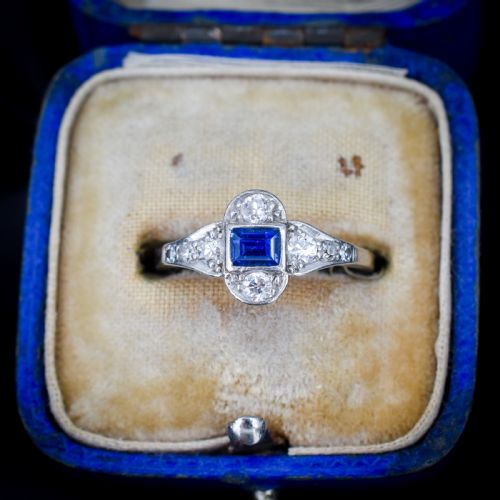
When you search for 1920s platinum diamond jewellery, you encounter rings, earrings, brooches, necklaces, and bracelets defined by the dominant Art Deco style. The selections span rings like solitaires, three stone rings, and cluster rings alongside drop earrings, bar brooches, and fringe necklaces.
The majority of pieces encountered here date from the 1920s and 1930s, with occasional Edwardian and 1940s examples appearing within the broader Art Deco grouping. Platinum stands as the primary metal, often combined with 18ct yellow gold, 18ct white gold, or standard gold.
Alongside the central diamonds, many items incorporate coloured gemstones such as sapphires, rubies, aquamarines, jade, jadeite, and pink sapphires. These coloured stones create high-contrast combinations typical of the period aesthetic.
How they were made
The combination of platinum and gold provides the structural foundation for these items, allowing for secure yet fine claw and bezel settings that hold old cut diamonds. Platinum gained widespread favour during this period for its strength, which permitted intricate metalwork without excess bulk.
Stones are predominantly old cut diamonds, complemented by baguette cuts and specific gemstone selections like Mogok Burmese pink sapphires and jadeite. Goldsmiths and lapidaries utilised precise calibration and geometric arrangements to construct navette, daisy cluster, and fringe configurations.
Listings feature four distinct periods: 1920, 1930, 1940, and Edwardian.
What varies in quality
The calibre of the materials dictates the tier of the piece, particularly the carat weight, clarity, and colour grade of the diamonds, such as specific G colour stones. Furthermore, the presence of unheated gemstones, like Mogok Burmese pink sapphires, separates standard items from exceptional examples.
The complexity of the construction, ranging from simple solitaire mountings to elaborate fringe necklaces and multi-stone tennis bracelets, determines the level of artisanal labour involved. The integration of mixed metals and complex stone arrangements further distinguishes the tier of execution.
The 1920s Platinum Diamond Jewellery Glossary
- Old cut
- A vintage diamond cutting style characterised by a smaller table, higher crown, and open culet, designed to catch candlelight and gaslight.
- Navette
- A boat-shaped or marquise setting that tapers to points at both ends, popular in Art Deco rings.
- Trilogy ring
- A ring featuring three main stones, traditionally symbolising the past, present, and future.
- Fringe necklace
- A necklace design featuring hanging drops or pendants suspended at regular intervals along the chain.
- Solitaire
- A jewellery setting designed to showcase a single prominent gemstone without accompanying side stones.
1920s Platinum Diamond Jewellery: Frequently Asked Questions
What defines 1920s platinum diamond jewellery?
These pieces are characterised by strong geometric lines, symmetrical patterns, and the prominent use of platinum alongside old cut diamonds. Coloured gemstones like sapphires and rubies frequently provide contrast within the designs.
The items span everyday rings and brooches to elaborate drop earrings and fringe necklaces, all reflecting the distinctive Art Deco aesthetic of the period.
How do I care for vintage platinum jewellery?
Platinum is a durable and robust metal that resists tarnishing, making it suitable for regular wear. Gentle cleaning with warm soapy water and a soft brush maintains the lustre of the metal and stones.
Store pieces individually in soft pouches to prevent scratching between the diamonds and softer coloured gemstones or gold mountings.
Are these pieces from the 1920s?
The listings encompass items primarily dated to the 1920s and 1930s, reflecting the height of the Art Deco movement. Occasional pieces from the Edwardian era and the 1940s also appear alongside the core 1920s selection.
Datings are derived from the specific design characteristics, metal combinations, and stone cuts recorded in the individual item descriptions.
What metals are used besides platinum?
While platinum is the dominant white metal used for setting diamonds during this era, 18ct yellow gold and 18ct white gold also appear frequently. Some items combine platinum heads with gold shanks or incorporate tricolour metal elements.
These mixed metal configurations reflect the transitional preferences of workshops operating during the 1920s and 1930s.