

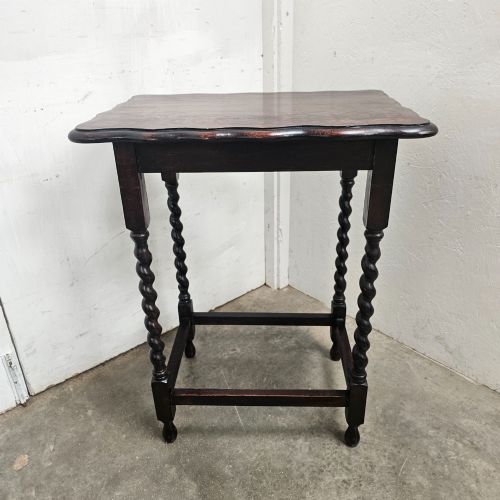


1920s Oak Furniture
These 1920s oak furniture pieces offer solid construction and diverse revival styles that suit modern interiors.
1920s Oak Furniture
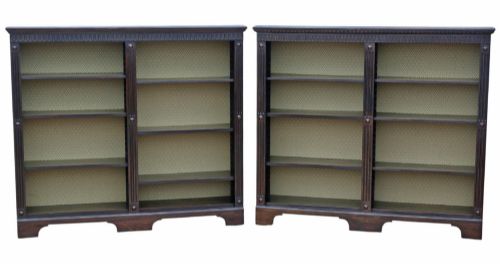
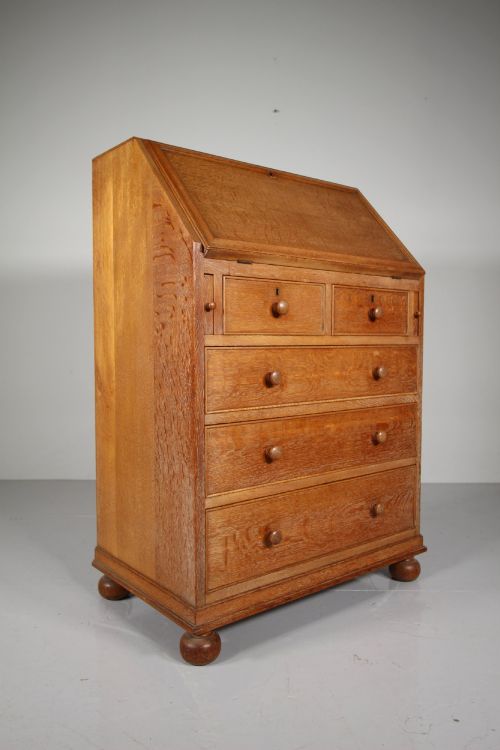
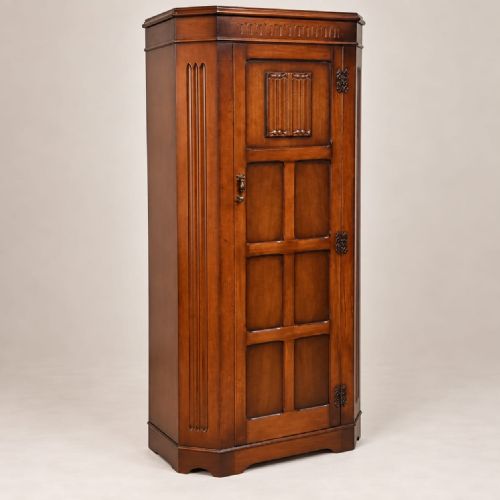
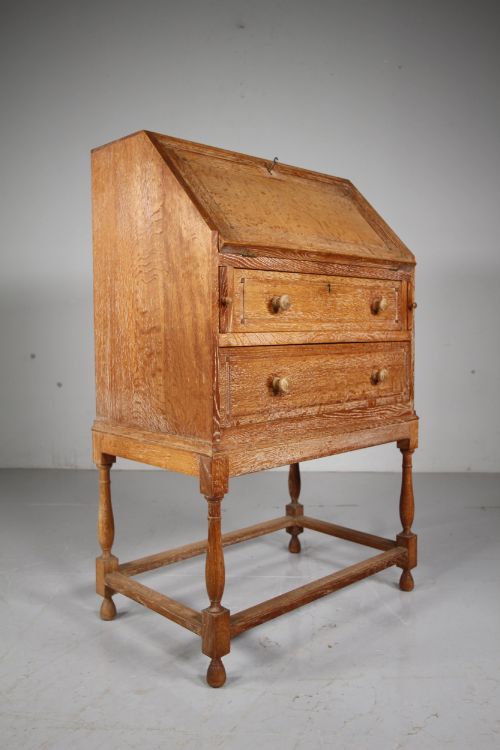
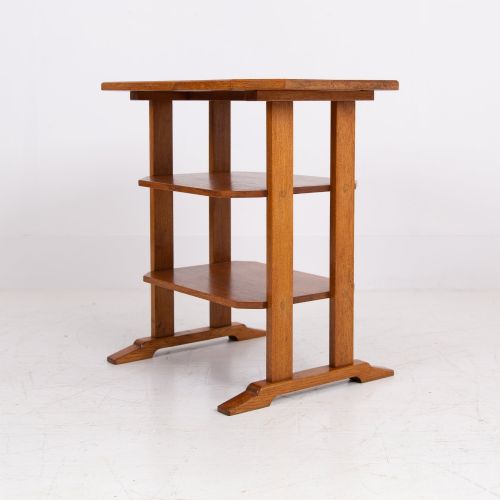
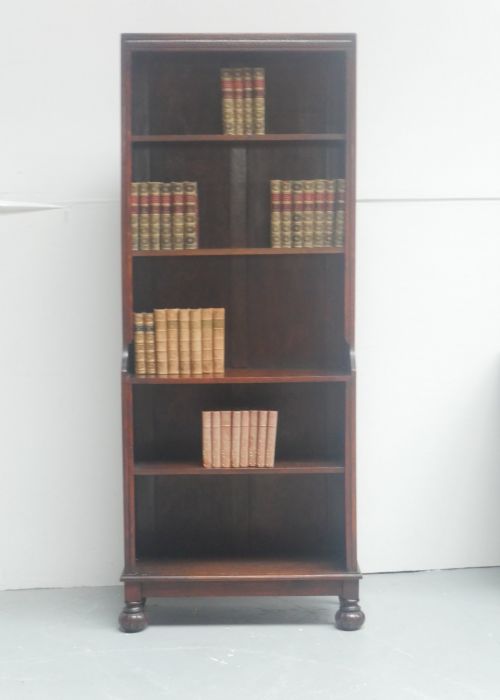
When people search for 1920s oak furniture, they encounter a range of domestic and institutional utilitarian items spanning side tables, wardrobes, bookcases, and desks. The majority of pieces on this page stem from the 1920 period, alongside examples from 1910 and 1930.
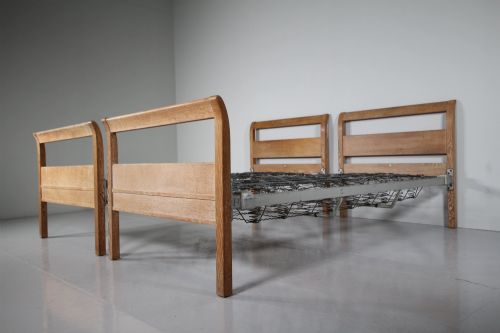
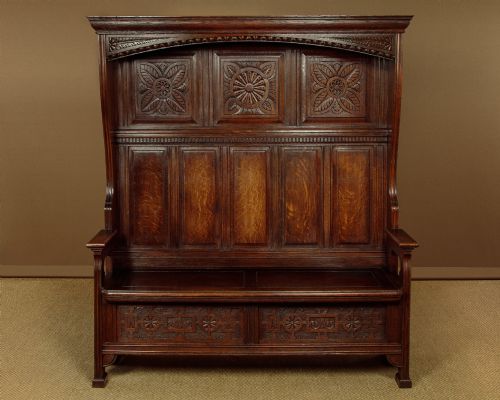
The selection includes seating such as hall benches and box settles, alongside dining tables, occasional pieces, and bedroom suites. Institutional items like school library cabinets and sorting tables also appear within the selection.
Design influences vary significantly, taking cues from Jacobean Revival, Arts and Crafts, Art Deco, and Georgian styles. Makers such as Heals of London contribute labeled pieces in limed oak, golden quartered oak, and light oak.
How they were made
Makers utilised solid oak, light oak, limed oak, and stripped golden oak as the primary woods for construction. Quarter-sawn timber yields distinctive medullary ray figuring across tabletops and cabinet fronts.
Metal components such as brass, steel, iron, and glass appear in handles, hinges, glazed doors, and structural fittings. Joinery techniques combine traditional carcase construction with turned elements like barley twist legs.
Materials across these listings span solid oak, limed oak, brass, steel, iron, and glass.
What varies in quality
Quality rests in the selection of timber, particularly the presence of quartered oak grain and the crispness of carved details on panelled settles and sideboards. Maker attribution via original labels distinguishes standard utilitarian production from workshop-designed furniture.
The sophistication of the stylistic execution separates basic items from refined examples, whether in the clean geometry of Art Deco pieces or the handcrafted ethos of Cotswold School and Arts and Crafts production.
Heals of London
The 1920s Oak Furniture Glossary
- Limed oak
- A timber finish that deposits a white pigment into the grain to create a pale appearance. This treatment gained popularity in modern bedroom suites.
- Quartered oak
- Timber cut radially from the log to expose the decorative medullary rays. This cut provides stability and an attractive surface figure.
- Barley twist
- A turned wooden furniture leg resembling a twisted rope. This detail draws from earlier Jacobean design traditions.
- Box settle
- A high-backed wooden bench with a compartment concealed beneath the seat. These pieces served practical seating and storage functions in hallways.
- Gateleg table
- A dining or occasional table with hinged drop leaves supported by swing-out legs. This format allows the table to fold down when not in use.
1920s Oak Furniture: Frequently Asked Questions
How do I identify 1920s oak furniture?
Look for characteristic materials like light, limed, or golden oak combined with specific period styles such as Jacobean Revival, Arts and Crafts, and Art Deco. Original maker labels, when present, confirm the origin and workshop.
Construction methods and hardware, including brass fittings and glazed doors, also help place the piece within the early twentieth-century interwar period.
Are 1920s oak wardrobes practical for daily use?
These wardrobes offer substantial interior storage for modern clothing while maintaining compact footprints suited to contemporary bedrooms. Many feature single or double doors alongside fitted interior shelving and hanging space.
Pairing them with matching dressing tables or chests creates a cohesive bedroom suite that bridges historical design and everyday utility.
How do I care for antique oak furniture?
Maintain the wood by applying natural beeswax periodically and avoiding placement near direct heat sources or strong sunlight. Gentle dusting with a dry cloth prevents dirt buildup without harming the polished or limed surface.
Protect tabletops from moisture using coasters to preserve the original timber finish over time.